English
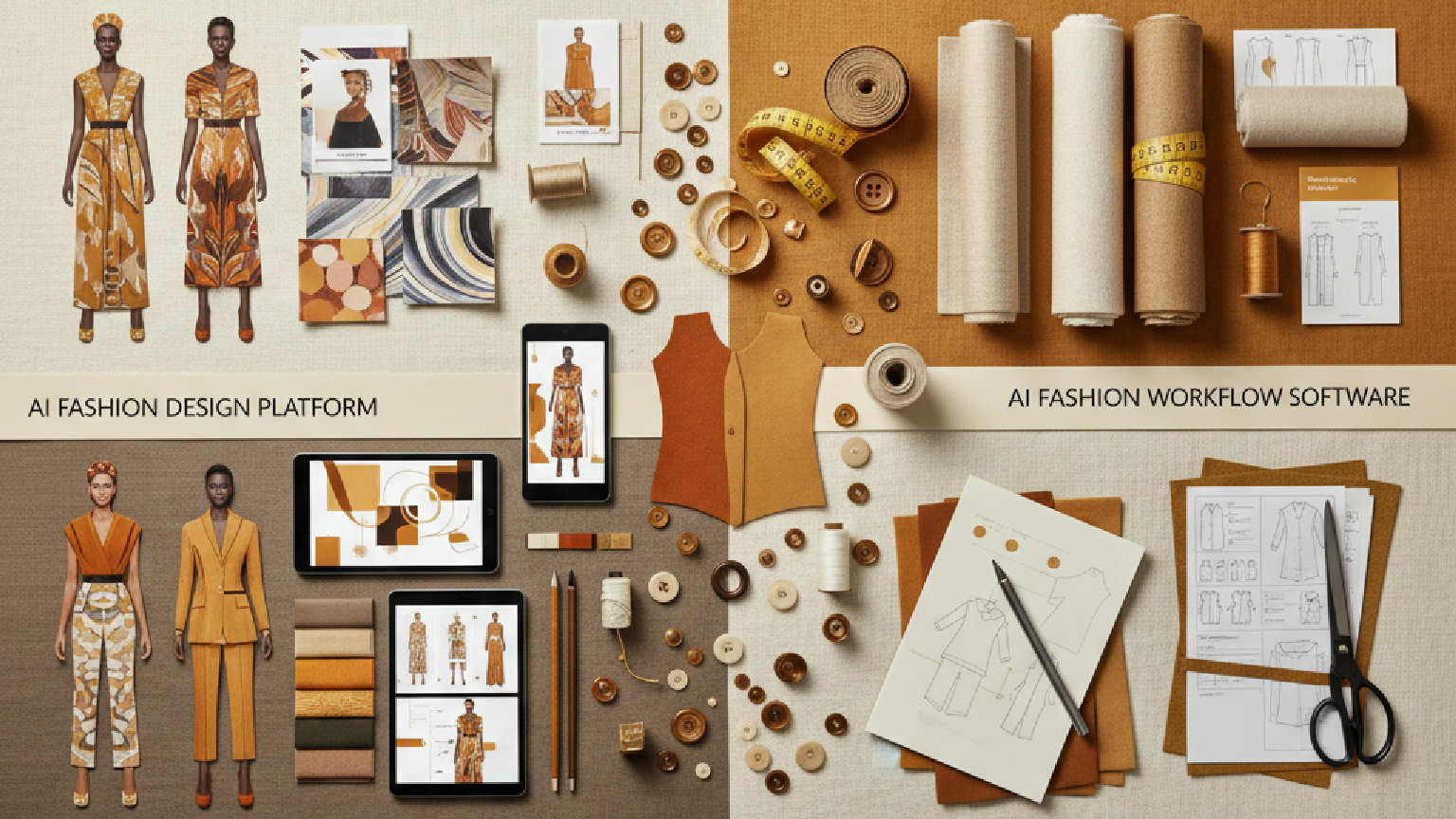
Direct answer. An AI fashion design platform generates creative visual assets. It uses generative AI for mood boards, concept art, and virtual model imagery, serving designers and marketing teams in the initial ideation phase. In contrast, AI fashion workflow software is an operational tool for product development and technical design teams. It orchestrates the process from an approved design to a factory-ready tech pack, managing structured data like Bills of Materials (BOMs), Points of Measure (POMs), and grade rules to reduce cycle time, sample costs, and production errors.
The fundamental difference lies in their purpose. AI design platforms are built for exploration and visualization. Their core function is to help creative teams generate a high volume of aesthetic ideas quickly. Users interact with these systems using text prompts or image uploads to produce novel design concepts, colorway variations, and marketing-style imagery featuring AI models. The output is purely visual and conceptual, intended to accelerate the mood board and initial sketch phases of the creative process.
AI workflow software tackles the subsequent, more structured phase: execution. Once a design concept is approved, the challenge shifts from "what should we make?" to "how do we make this accurately and efficiently?". Workflow software is engineered to translate a creative concept into a precise, manufacturable set of instructions. It manages the data-intensive tasks of building tech packs, defining construction details, specifying materials and trims, and establishing quality tolerances. Its goal is not to generate ideas, but to ensure the approved idea is produced correctly, on time, and on budget.

The target user for each system is distinct. AI design platforms are tailored for roles focused on brand aesthetic and market trends: fashion designers, graphic designers, merchandisers, and marketers. These users value speed-to-concept and the ability to visualize products without needing physical samples or photoshoots. Their work is measured by the quality and novelty of their creative output and its alignment with brand strategy.
AI workflow software is built for the operational backbone of a fashion brand: technical designers, product developers, sourcing managers, and production coordinators. These users are accountable for the technical integrity and manufacturability of a product. They live in a world of measurement specs, material codes, and factory communications. Their success is measured by concrete metrics like reduced sample rounds, shorter lead times, improved product quality, and lower Cost of Goods Sold (COGS). The software serves as their central hub for managing the complex data and communication streams required for production.

A simple way to distinguish the two is by their final deliverable. The primary output of an AI design platform is an image or a collection of images. This could be a JPEG of a new sneaker design, a PNG of a virtual model wearing a digital garment, or a PDF mood board for a new collection. These assets are invaluable for internal presentations, social media content, and e-commerce mockups, but they contain no manufacturing information.
Conversely, the key output of AI workflow software is a set of verifiable, actionable production artifacts. The ultimate deliverable is a complete, factory-ready tech pack. This package contains multiple structured documents: the Bill of Materials (BOM) listing every component, the Points of Measure (POM) sheet with full garment specs and tolerances, graded size charts, detailed construction callouts, label and packaging instructions, and a full audit trail of changes. This is not a visual concept; it is a legal and technical contract with the factory.
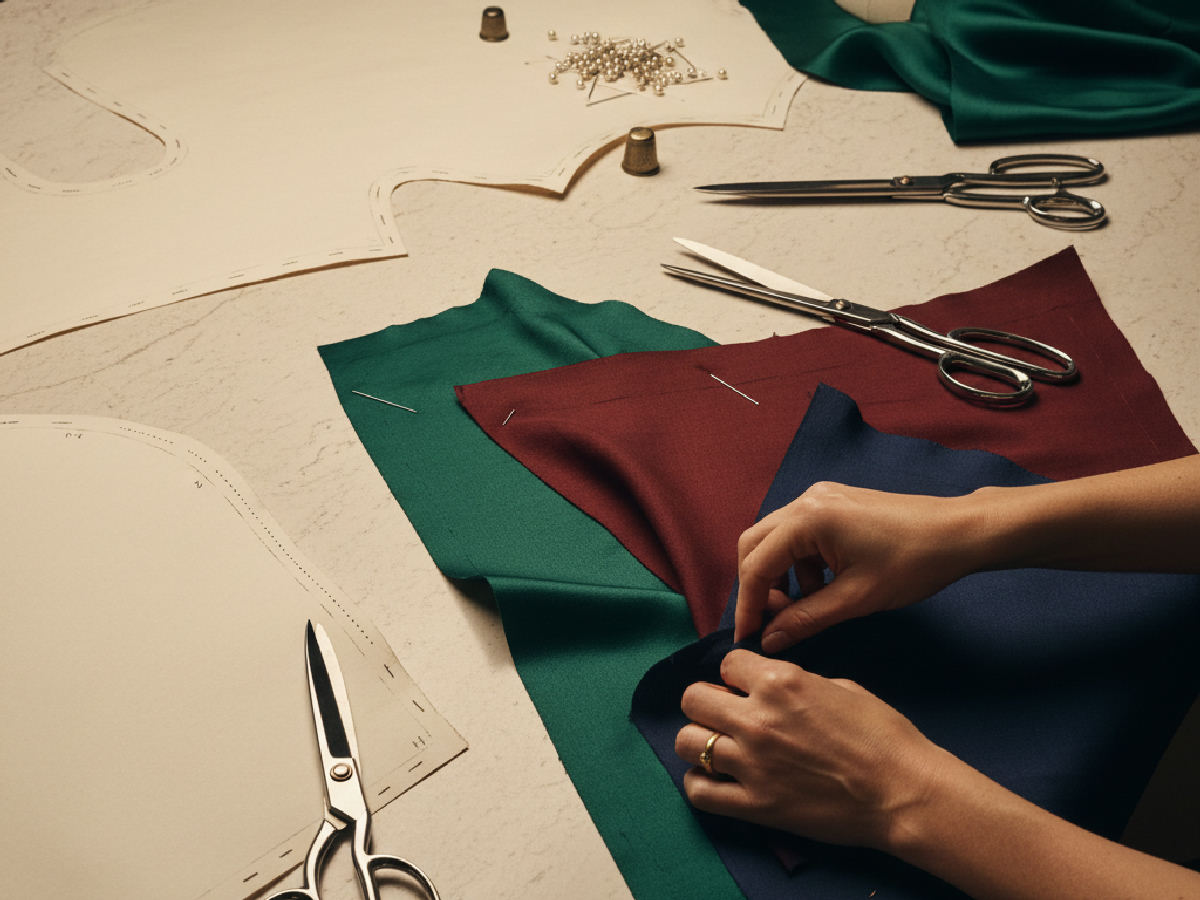
Understanding the specific capabilities highlights the division between creative and operational tools. While some platforms claim to cover the entire lifecycle, their core architecture is optimized for one function at the expense of the other. Specialization is key to delivering the precision required by product development teams.
This table compares the two types of platforms across key operational dimensions. It clarifies how their features, users, and success metrics align with different stages of the product lifecycle.

The business impact of each platform type materializes in different parts of the profit and loss statement. AI design platforms primarily influence the top line. By enabling brands to quickly test and visualize trends, they can improve market resonance, increase the speed of product drops, and create more engaging marketing content. The goal is to capture consumer attention and drive revenue through compelling, trend-aligned products.
AI workflow software directly impacts the bottom line by optimizing operational efficiency and reducing costs. Its main financial benefits come from margin improvement. By decreasing the number of costly physical sample rounds (often by 50% or more), minimizing errors that lead to wasted materials or chargebacks, and shortening the overall product development calendar, it directly lowers COGS. This focus on operational excellence frees up capital and resources that can be reinvested into growth and innovation.
The market is seeing a rise in platforms claiming to be a single, end-to-end AI solution for fashion. This positioning is misleading for professional teams. The skillset, data structure, and user interface required for creative exploration are fundamentally different from those needed for disciplined production management. A tool optimized for generating thousands of visual ideas is ill-equipped to enforce millimeter-level tolerances on a graded spec sheet.
Attempting to merge these functions into one system inevitably leads to compromise. The "design" features often lack the nuance of dedicated creative tools, while the "production" modules are typically shallow, missing the granular control and validation logic that technical designers depend on. Brands that fall for the all-in-one myth often find themselves with a system that excels at nothing, frustrating both their creative and technical teams and failing to deliver meaningful ROI for either group.
A Product Lifecycle Management (PLM) system is a passive database, a system of record for storing final product data. An AI workflow platform is an active system of execution. It sits on top of or alongside a PLM, using AI to automate and accelerate the tasks of creating, validating, and finalizing the data (like tech packs and BOMs) that eventually gets stored in the PLM.
No. An AI design platform can generate a picture that looks like a tech pack page, but it cannot produce the structured, machine-readable data file required for manufacturing. It lacks the database for materials, the logic for grade rules, and the validation checks to ensure POMs are accurate and consistent. The output is a flat image, not a functional production document.
No. 3D design tools are used to create virtual prototypes and digital samples, which helps reduce physical sampling. AI workflow software is used to create the complete production data package for the factory. A 3D model is one component that can be included in a tech pack, but the workflow software manages all the other required data: BOMs, construction, grading, and more.
The most significant cost saving comes from reducing the number of physical sample rounds. Each round incurs expenses for materials, factory labor, and international shipping. By using AI to ensure the tech pack is accurate and complete on the first pass, teams can often eliminate 2-3 sample cycles per style, leading to direct savings and faster time to market.
No. The AI operates in the background to automate data entry, perform validation checks, and flag potential errors. The user interface is designed for technical designers and product developers, allowing them to work in a familiar way but with greater speed and accuracy. The platform does the heavy lifting, acting as an intelligent assistant, not a complex new tool to learn.
It improves vendor collaboration by providing a single source of truth. When a tech pack is clear, complete, and accurate from the start, there is less back-and-forth with the factory. Questions are reduced, quotes are faster and more accurate, and the risk of misunderstanding specifications is minimized, leading to better partnerships and higher quality output.
Absolutely. While large brands see massive scale benefits, smaller brands gain a critical competitive advantage. AI workflow software allows smaller teams to operate with the efficiency and discipline of much larger organizations. It helps them get products to market faster, with lower development costs and fewer production errors, which is crucial when resources are limited.
The right tool depends entirely on the job. If you need to accelerate creative ideation, a design platform is your focus. If you need to accelerate factory-ready execution, reduce costs, and improve quality, an AI workflow platform is the essential tool. Ready to see how an execution-focused AI platform transforms product development? Compare workflows and see a side-by-side analysis of traditional, PLM-based, and AI-native product development cycles.