English
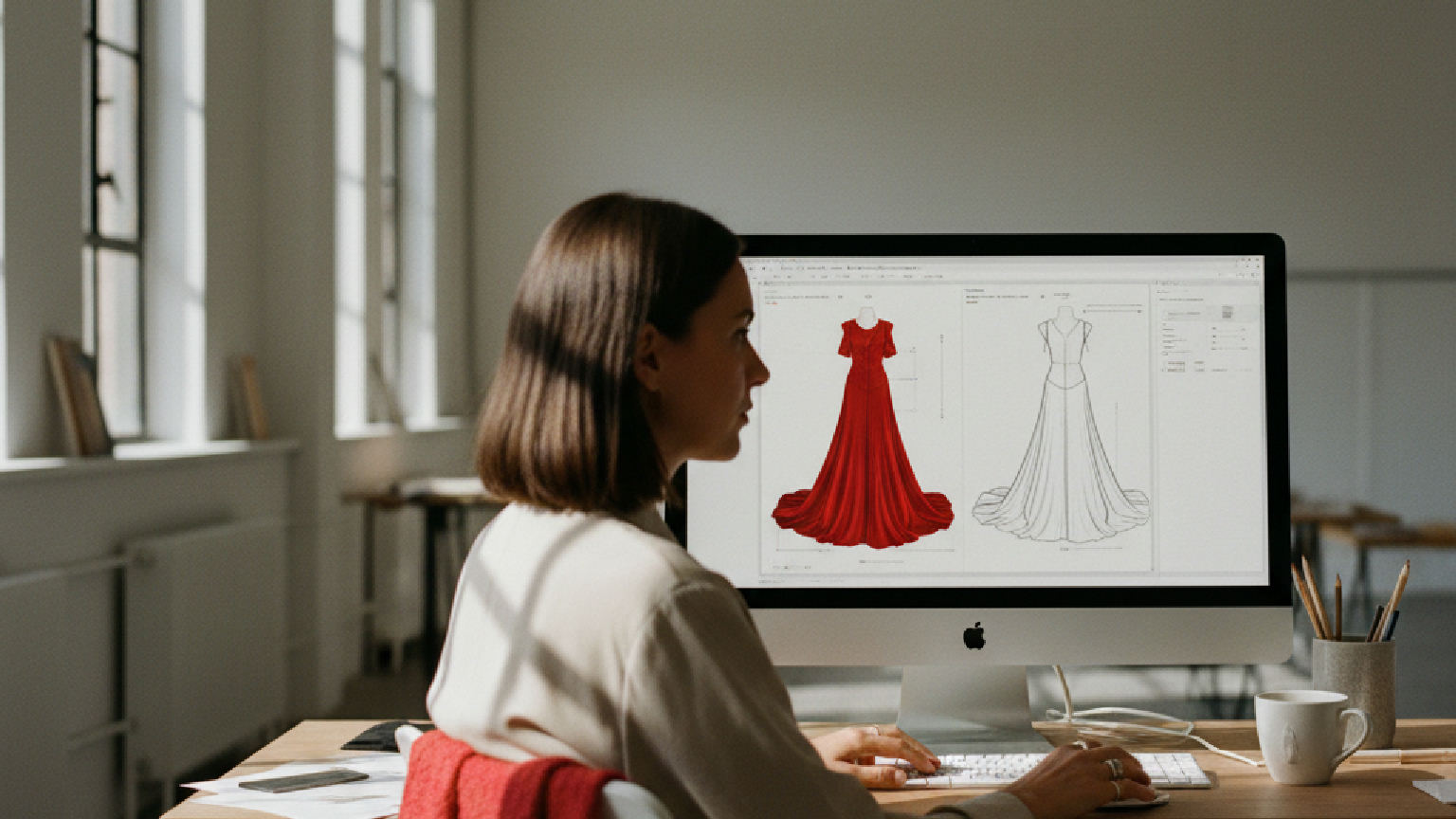
Direct answer. An AI tech pack generator beats an Illustrator template once you ship more than two styles a month. Templates save time on layout; AI saves time on the work itself: flats, callouts, points of measure, BOM rows, grading references, colorways. A designer using a good Illustrator template still spends six to ten hours per tech pack. A designer using an AI tech pack generator with the same source sketch lands a factory-ready draft in twenty to forty minutes, then spends another hour on review. The break-even is roughly the second style; past it, AI compounds.
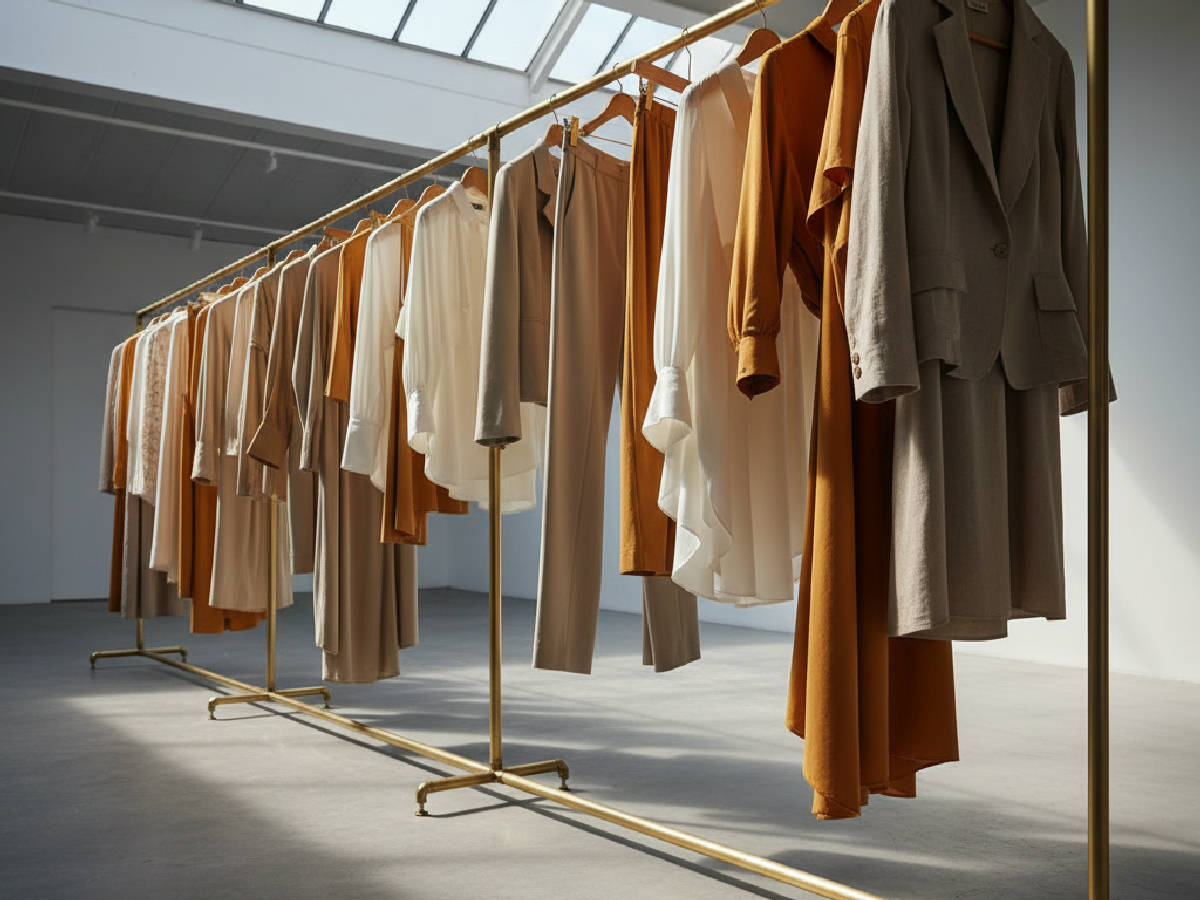
An Illustrator tech pack template is a set of pre-built artboards, layer styles, and symbol libraries. You drop your flat into a frame, swap the construction notes, retype the BOM rows, redraw the callouts, and update the size chart. The template enforces consistency across a brand and gives factories a familiar format. It does not draw the flat, it does not infer the BOM from your sketch, it does not check that the points of measure match the silhouette, and it does not generate colorway variants. Every style starts at zero on the actual production work.

An AI tech pack generator takes a sketch, photo, or reference image and produces the factory-ready artifacts directly. Flats are drawn front, back, and side. Construction callouts are placed against the right seams. Points of measure are populated from the silhouette. The BOM is inferred from visible trims, fabrics, and hardware. Colorways are spun from the base. A validation pass flags missing fields against the rules your factory needs (POM gaps, trim IDs, grade rules, label placement). The output drops into a PLM or a PDF in the format your vendor already accepts.
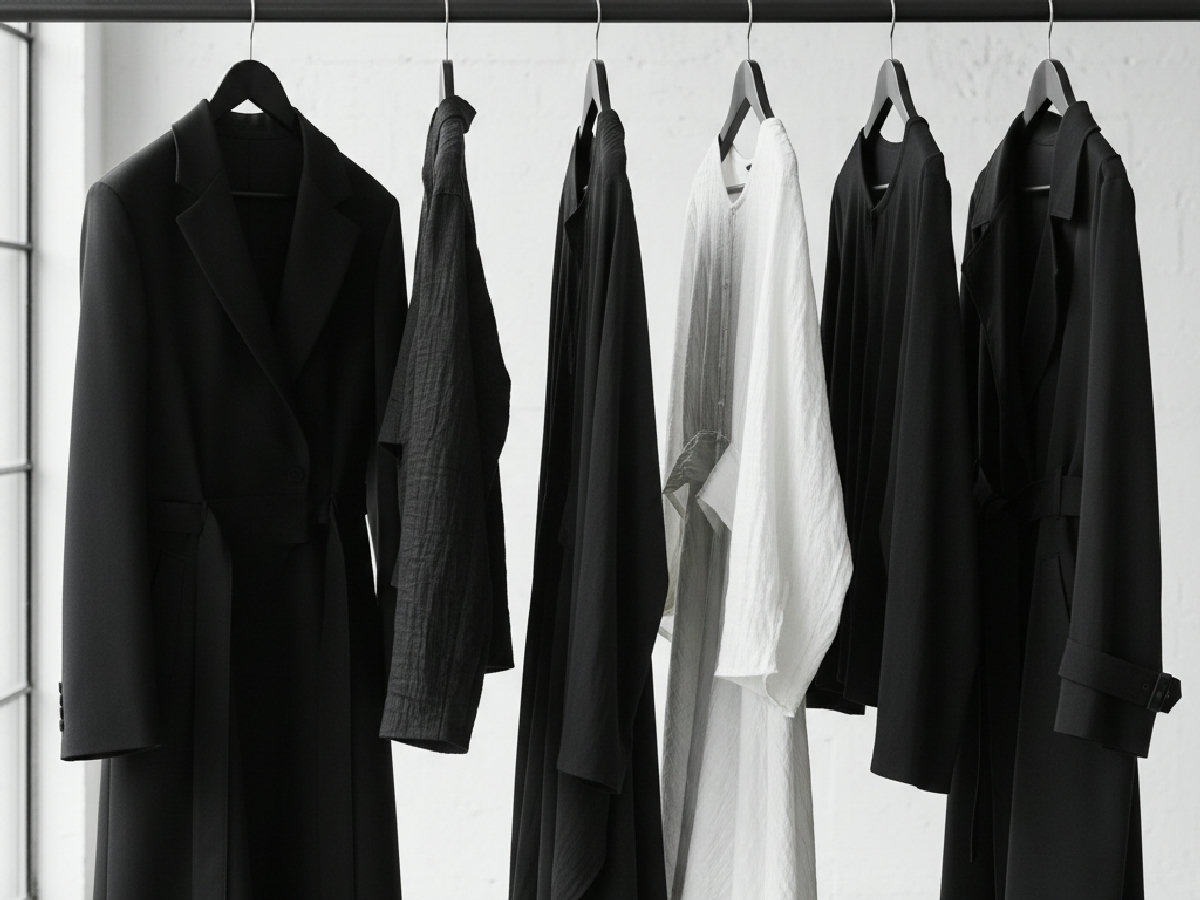
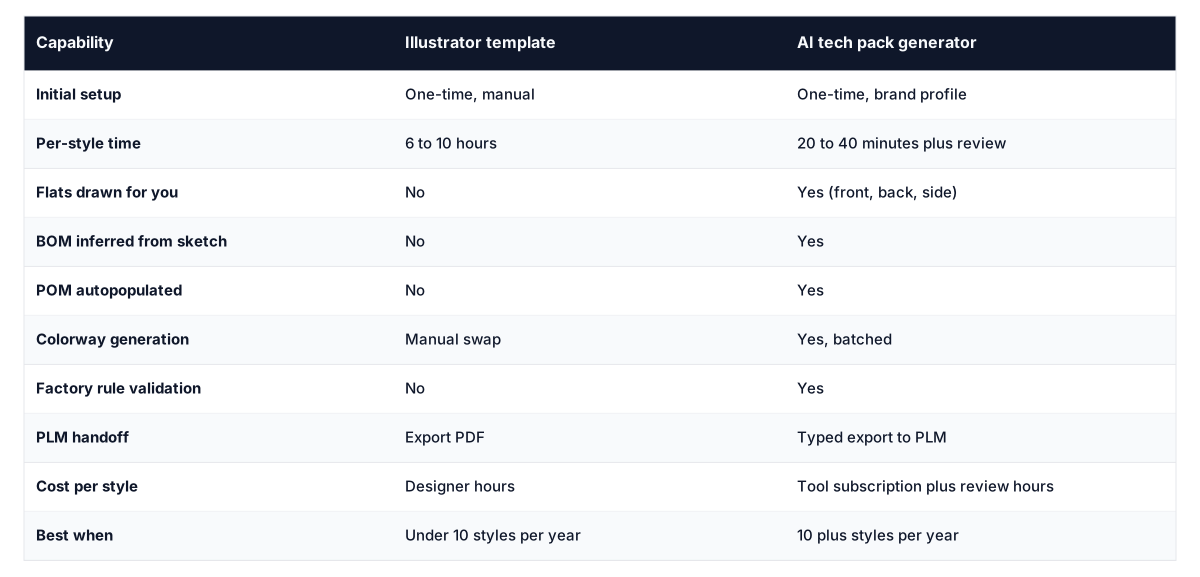
If you ship one capsule a year, an Illustrator template is fine. The fixed cost of learning an AI tool does not pay back. The same is true if your category has a fully custom construction language that no AI model has been trained on: couture, bridal one-of-ones, technical outdoor with proprietary seams. In those cases the bottleneck is the construction knowledge in your head, not the drafting time, and AI cannot substitute for it yet.
If you ship more than two styles a month, run multiple colorways per style, or work with overseas factories that bounce tech packs back for missing fields, AI pays back inside thirty days. The hours saved on the third and fourth style fund the subscription. The fewer sample rounds save the rest. Brands shipping ten plus styles a month commonly report tech pack creation time dropping from a full day to under an hour, with fewer factory revisions because validation runs before the file leaves the studio.
No. It replaces the repetitive part of drafting (flats, callouts, BOM rows). You still need to review, edit, and approve. Designers who know Illustrator are faster reviewers because they can spot drawing errors instantly.
Most modern AI tech pack generators export to Centric, PTC FlexPLM, Bamboo Rose, Backbone, and Lectra in either flat-file or typed-API mode. Verify your specific PLM version before you commit.
Accurate enough to be a first draft. Expect to correct one or two rows per style in the first month. After the model learns your brand vocabulary, correction rates drop below five percent.
Yes for kids and plus, with a grading rule check. Technical wear with proprietary seams is the weakest case: manual review of callouts is required.
Ask the vendor where models are trained and whether your data is excluded from training. Most enterprise plans include a no-training clause. Read it.
Free tools draft a usable starting point but skip validation, PLM handoff, and brand vocabulary. Acceptable for indie experiments, not for production.
Send us a flat or a reference image and we will run it through the workflow on a free call. You see the output, you see the validation pass, you decide.