
Agentic AI Fashion
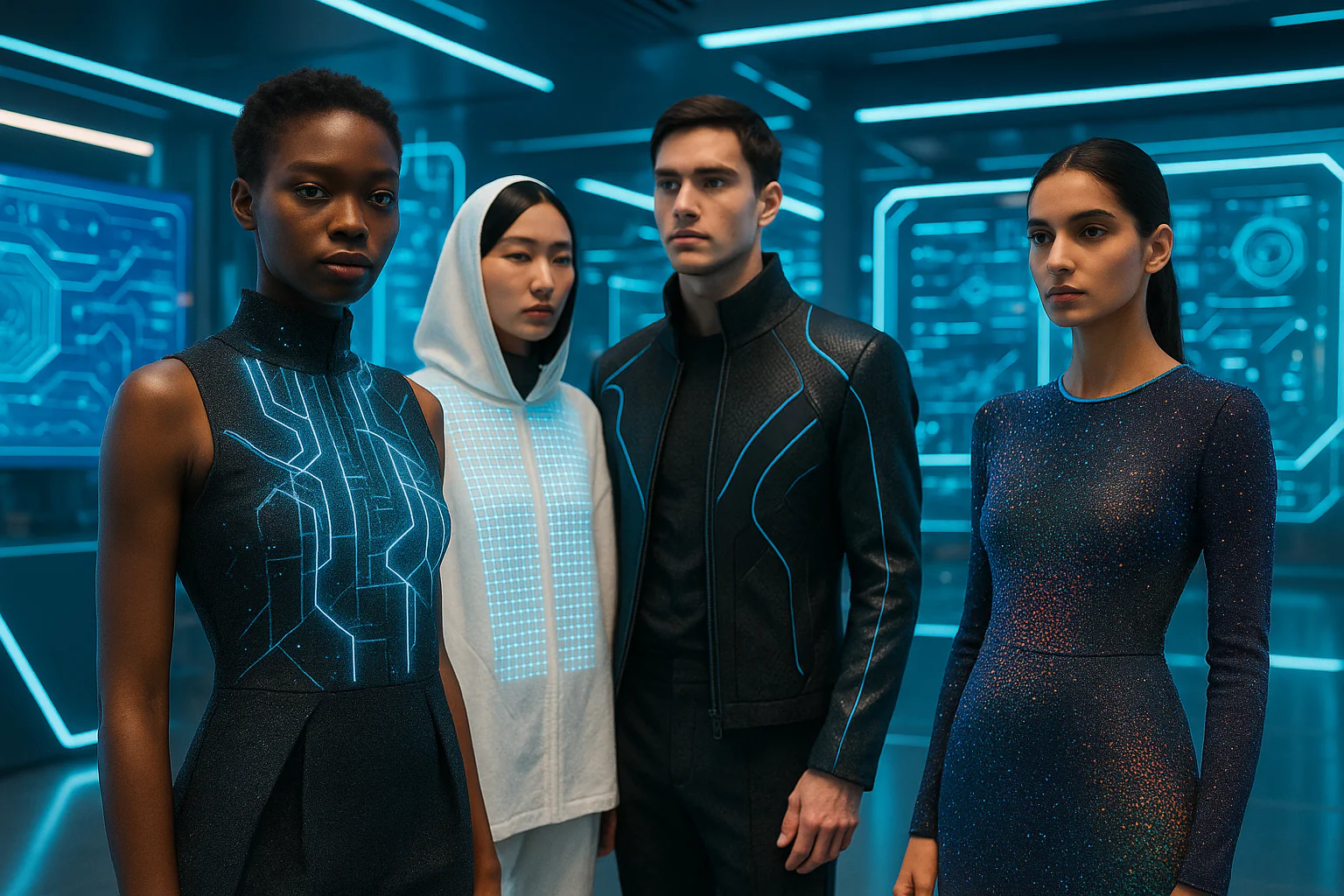
Agentic AI fashion technology is revolutionizing the fashion industry by transforming how designs are created, trends are predicted, and consumer experiences are personalized. This innovative approach positions AI not just as a tool but as an active participant in the creative and operational processes of fashion. By leveraging AI's capabilities to learn, adapt, and make decisions, the industry is witnessing a shift that enhances creativity, optimizes supply chains, and offers unprecedented personalization. As we explore the innovations and future trends of agentic AI in fashion, it becomes clear that this technology is not merely a trend but a fundamental shift in how the industry operates.
Agentic AI fashion technology is reshaping the fashion landscape, offering a wealth of opportunities for designers, retailers, and consumers. By embracing this technology, stakeholders can drive innovation, enhance personalization, and promote sustainability. Designers can push creative boundaries, retailers can revolutionize the shopping experience, and consumers can enjoy tailored fashion solutions that align with their unique preferences. As the technology continues to evolve, it promises to unlock even more possibilities, ensuring that the fashion industry remains dynamic, sustainable, and consumer-centric. Embracing agentic AI is not just about keeping pace with technological advancements; it's about leading the charge in redefining the future of fashion.

Agentic AI refers to artificial intelligence systems that possess a degree of autonomy, allowing them to make decisions and perform tasks without constant human intervention. In the context of fashion technology, agentic AI can design clothing, predict trends, and personalize shopping experiences. By analyzing vast amounts of data, these AI systems can identify patterns and preferences, allowing for the creation of highly customized fashion items. This technology not only enhances creativity but also streamlines production processes, making them more efficient and sustainable.
One of the most exciting innovations in agentic AI fashion technology is its ability to analyze vast amounts of data to predict fashion trends. Traditional trend forecasting relies heavily on human intuition and experience, but AI can process data from social media, fashion shows, and consumer behavior to identify emerging patterns. This capability allows fashion brands to stay ahead of the curve, producing designs that align with future consumer desires. By leveraging machine learning algorithms, these AI systems can continuously refine their predictions, becoming more accurate over time.
Moreover, agentic AI is revolutionizing the design process itself. AI-driven design tools can generate new clothing designs by analyzing existing styles and consumer preferences. These tools can create unique patterns and styles that might not be conceived by human designers, pushing the boundaries of creativity. This not only speeds up the design process but also introduces a level of innovation that is both exciting and unpredictable. Designers can collaborate with AI to explore new aesthetics, leading to a fusion of human creativity and machine precision.
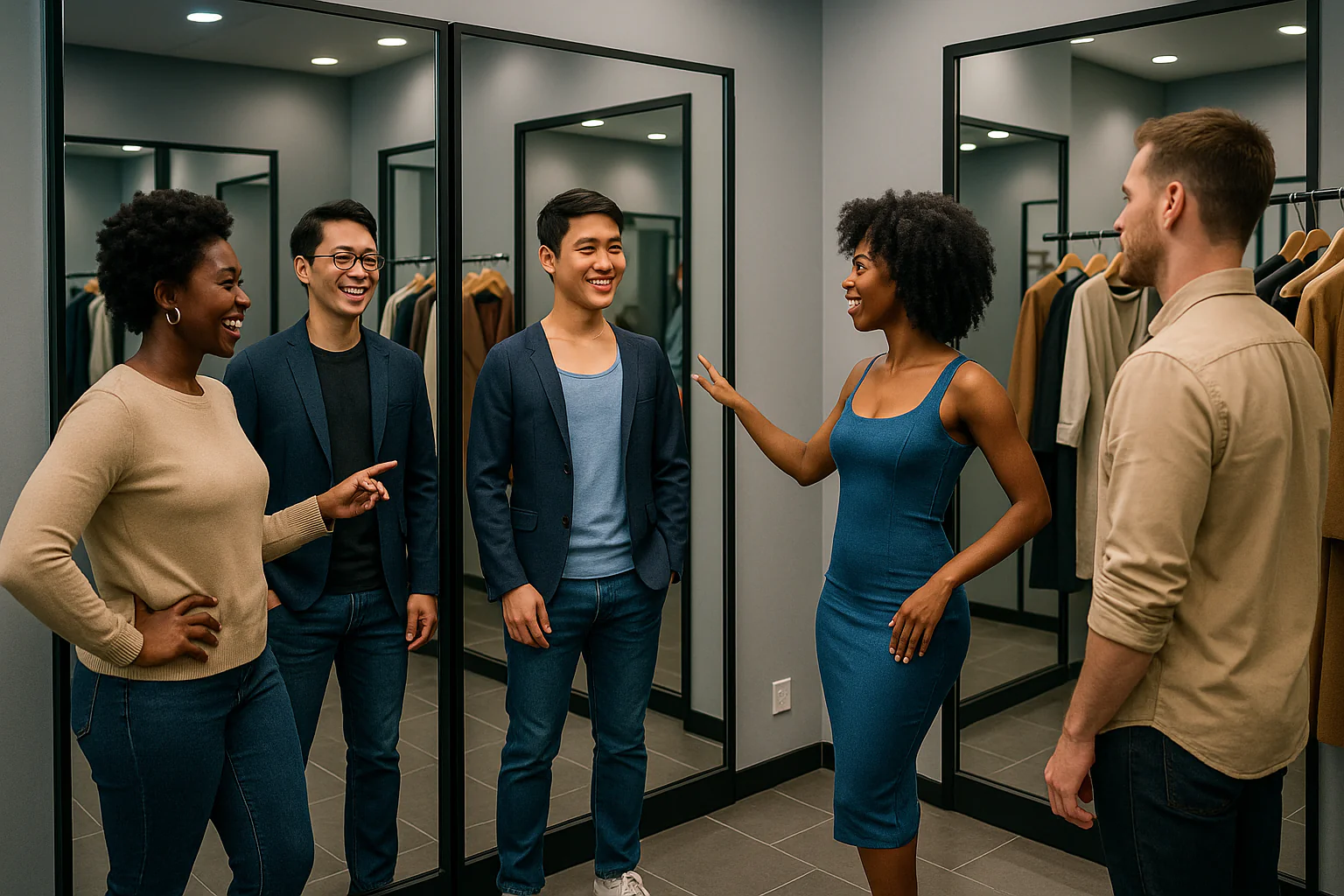
The personalization of fashion is another area where agentic AI is making significant strides. Consumers today seek personalized experiences, and AI can deliver by analyzing individual preferences and body measurements to recommend or even create custom clothing. This level of personalization enhances customer satisfaction and loyalty, as consumers feel more connected to products that are tailored specifically for them. AI systems can also provide virtual fitting rooms, allowing customers to try on clothes virtually, reducing the need for physical inventory and minimizing returns.
Sustainability is a critical concern in the fashion industry, and agentic AI offers solutions to some of its most pressing challenges. By optimizing supply chains and reducing waste, AI can help brands become more environmentally friendly. Predictive analytics can ensure that production aligns closely with demand, minimizing overproduction and excess inventory. Additionally, AI can assist in developing sustainable materials by analyzing and simulating the properties of various fabrics, leading to innovations in eco-friendly fashion.
Looking to the future, the potential of agentic AI in fashion is vast. As technology continues to evolve, we can expect even more sophisticated AI systems that not only understand fashion but also influence it. The integration of AI with other technologies, such as augmented reality and blockchain, could further transform the industry, offering new ways to experience and engage with fashion. However, ethical considerations surrounding data privacy, job displacement, and the environmental impact of AI-driven production processes must be addressed. Engaging in these discussions ensures that the industry harnesses AI's potential responsibly.
The journey of agentic AI in fashion is just beginning, yet its impact is already profound. As technology continues to advance, we can anticipate even more sophisticated AI systems that will not only understand fashion but also influence it. By embracing these innovations, the fashion industry can move towards a future that is more sustainable, inclusive, and aligned with the evolving needs of consumers worldwide. The potential of agentic AI in fashion is vast, and its journey is one of endless possibilities, poised to redefine the very fabric of the industry.

© 2025 TheFWord. All rights reserved.