
Agentic AI Fashion
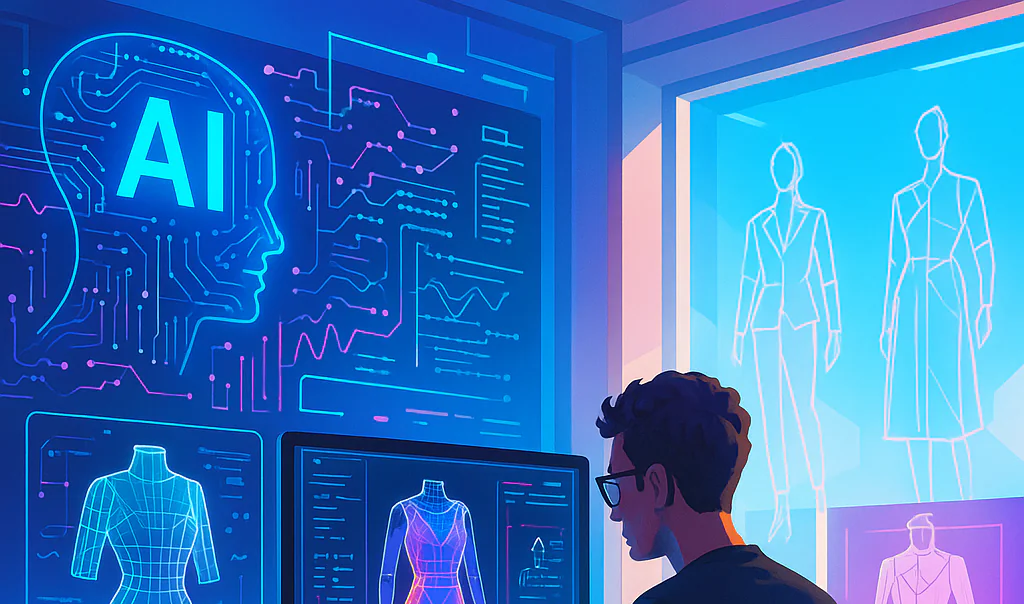
The fusion of agentic AI and fashion technology is ushering in a new era of innovation and transformation. This advanced form of artificial intelligence — capable of making autonomous decisions and learning from its environment — is redefining how fashion is designed, produced, and consumed.
As we explore the profound impact of agentic AI, we uncover both technological and cultural shifts that are reshaping the very essence of fashion. From personalized design and sustainability to enhanced retail experiences, AI’s integration is not merely a trend but a fundamental evolution that promises to revolutionize the industry.
The intersection of agentic AI and fashion technology is transforming the industry in ways once confined to science fiction. Agentic AI’s ability to make decisions and learn autonomously has introduced a cultural and creative shift across design, production, and retail.
In design, agentic AI streamlines what was once a labor-intensive process. AI systems now analyze vast datasets — from current trends and consumer preferences to historical design archives — to generate innovative patterns and styles. These AI-driven designs are tailored to consumer segments, enhancing personalization and creativity.
Moreover, agentic AI optimizes the fashion supply chain, long plagued by inefficiencies like overproduction and waste. AI predicts demand with precision by analyzing behavior and market data in real time. This insight helps brands produce what’s needed, improving sustainability and reducing costs. Automation in manufacturing further speeds up production, allowing brands to respond quickly to shifting markets.
In retail, AI-powered chatbots and virtual assistants create engaging, personalized shopping experiences. Augmented and virtual reality tools let customers try on garments digitally, improving satisfaction and reducing returns.
Finally, agentic AI fosters inclusivity and diversity in fashion. By analyzing diverse datasets, it helps designers create collections for a wide range of body types, skin tones, and cultural aesthetics — making fashion more inclusive and representative.
However, challenges persist. Ethical concerns around data privacy, algorithmic bias, and job displacement require responsible implementation. The fashion industry must balance innovation with transparency to ensure AI benefits everyone.

The transformative power of agentic AI benefits all stakeholders in fashion — designers, manufacturers, retailers, and consumers.
Designers can use AI tools to expand creative boundaries, experiment with materials, and predict emerging trends. This leads to faster prototyping and more targeted collections.
Manufacturers gain efficiency through automation. AI identifies production bottlenecks, reduces waste, and improves energy use. Real-time defect detection enhances quality control and lowers costs — aligning with sustainability goals.
Retailers use AI to personalize shopping, improve inventory accuracy, and refine supply chains. Predicting demand more precisely ensures products meet real-time consumer needs.
Consumers benefit from a more personal and transparent fashion experience. They can enjoy custom-fitted garments, style recommendations, and sustainable choices that reflect their values.
In short, agentic AI enables collaboration between creativity, efficiency, and ethics — empowering all parts of the fashion ecosystem.
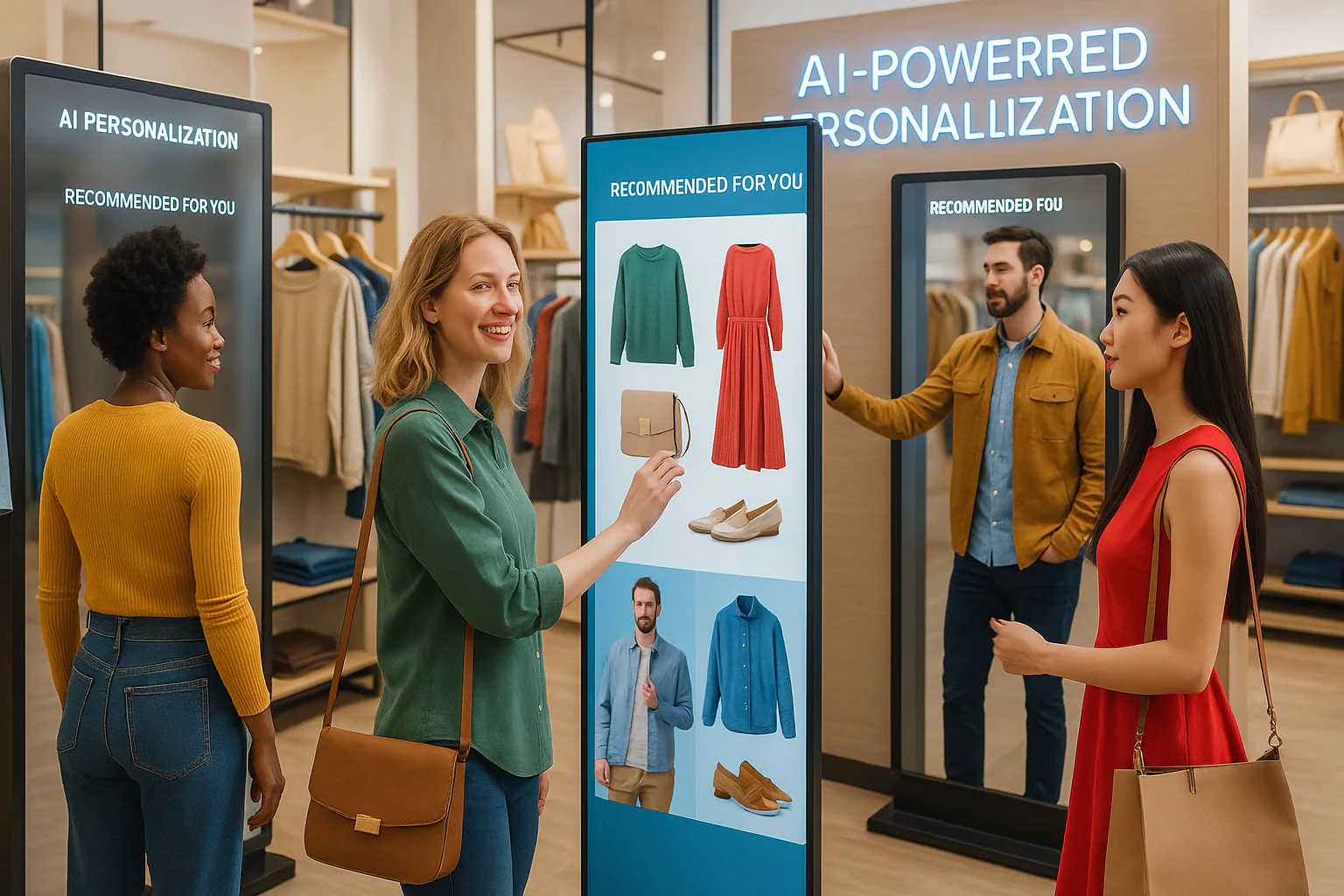
Agentic AI brings benefits that reach every layer of fashion operations.
1. Personalized Shopping Experiences:
AI analyzes preferences, past purchases, and social media to craft tailored recommendations. Consumers feel seen and valued, deepening brand loyalty.
2. Supply Chain Optimization:
Predictive AI reduces waste and overstock, improving logistics and ensuring the right products reach consumers on time.
3. Sustainability:
AI suggests eco-friendly materials and processes, helping brands align with environmental values. It predicts demand to prevent overproduction — a key cause of waste.
4. Accelerated Design and Creativity:
Designers use AI to generate new styles, patterns, and full collections faster than ever. This synergy between human and machine sparks innovation.
5. Enhanced Customer Service:
AI chatbots handle routine queries instantly, allowing human teams to focus on complex issues. The result is faster response times and stronger customer relationships.
Through these advances, AI makes fashion smarter, faster, and more sustainable.
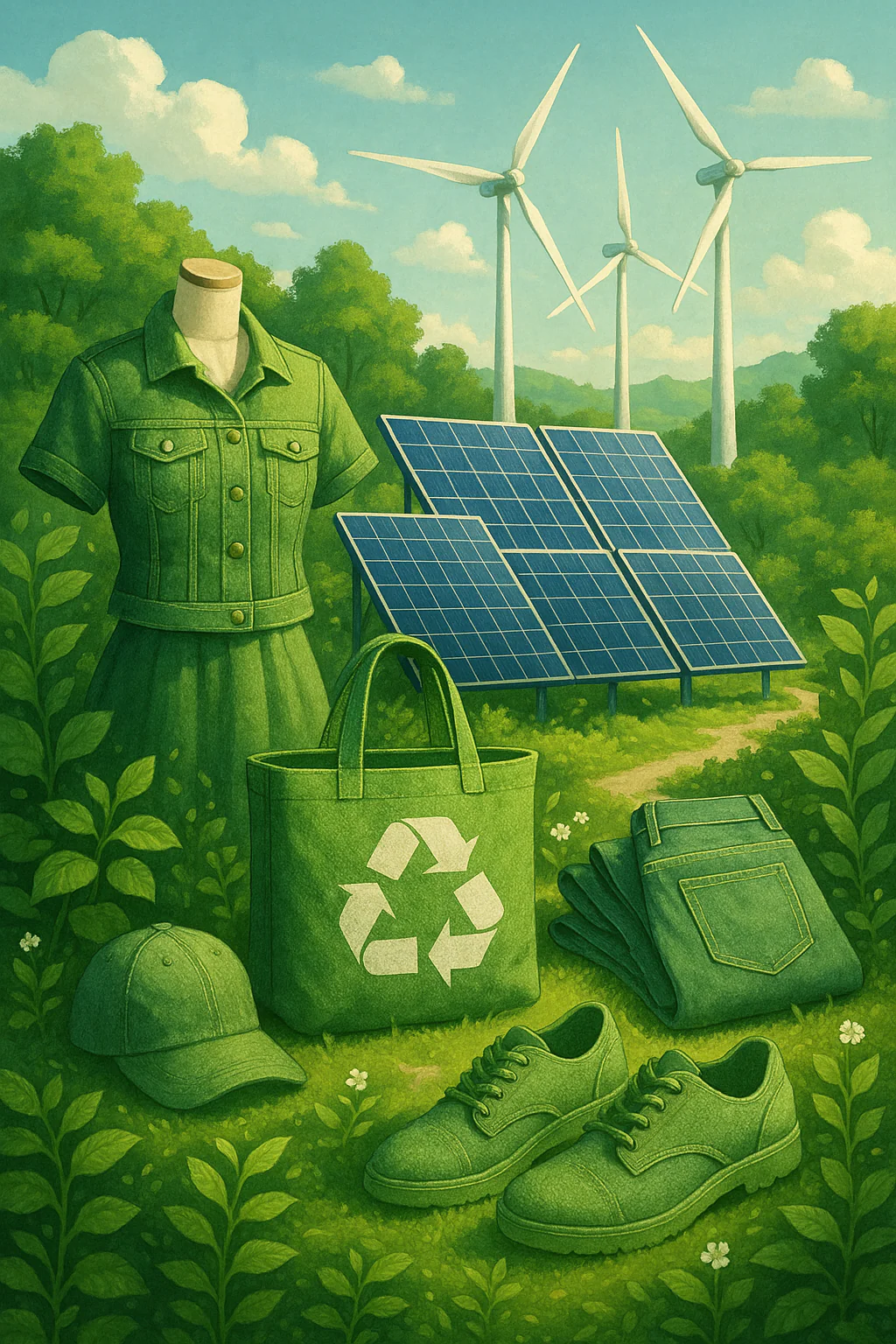
Adopting agentic AI starts with understanding the technology’s potential. Begin by assessing how AI can support your goals — from sustainability to customer engagement.
Next, review your existing digital tools. Identify where AI can improve design workflows, trend forecasting, or operations. Collect and organize data, since accurate, structured data powers effective AI insights.
Train your team to collaborate with AI systems. Encourage experimentation and innovation. Foster a culture that values continuous learning and technological adaptation.
Finally, set measurable goals and track performance. Establish KPIs that reflect your priorities — efficiency, personalization, or sustainability — and refine strategies based on data-driven insights.
By investing in AI expertise and responsible adoption, fashion brands can unlock lasting value.
The best time to adopt agentic AI is now — as fashion enters a new digital transformation phase. Current consumer expectations for personalization and sustainability create a perfect environment for AI solutions.
AI empowers brands to analyze data, forecast trends, and deliver tailored experiences that align with consumer values. At the same time, it helps reduce environmental impact through precise demand forecasting and optimized production.
Technological accessibility has also improved. Cloud computing, advanced analytics, and affordable machine learning tools allow even smaller brands to implement AI solutions effectively. Early adopters will gain a lasting competitive advantage — responding faster to market changes and customer needs.
By integrating AI today, fashion businesses can enhance creativity, sustainability, and profitability simultaneously.
Agentic AI’s influence extends across the entire fashion landscape — from design and sustainability to marketing and customer experience.
Design: AI collaborates with creators to develop new styles, generating ideas that push creative limits.
Sustainability: AI ensures production matches demand and minimizes waste, improving environmental responsibility.
Retail: AI chatbots, virtual fitting rooms, and predictive marketing enhance engagement and sales efficiency.
By combining human artistry with AI’s intelligence, fashion is evolving into a more innovative, ethical, and consumer-centric industry.
What is Agentic AI in fashion?
Agentic AI refers to autonomous AI systems capable of making decisions without constant human input. These systems can design, predict trends, and manage supply chains dynamically.
How does it transform fashion design?
It enhances creativity and efficiency by analyzing data to generate design ideas and simulate fit before production — saving time and reducing waste.
Can AI personalize fashion?
Yes. AI delivers tailored recommendations and custom-fitted garments based on individual data and preferences.
How does it improve sustainability?
AI predicts demand and recommends sustainable materials, reducing waste and environmental harm.
What ethical issues arise?
Data privacy, bias, and workforce adaptation remain key considerations. Transparency and responsible AI use are essential for trust.
Related reads:
Agentic AI Fashion
Further reading:
CLO 3D
© 2025 TheFWord. All rights reserved.