
Agentic AI Fashion
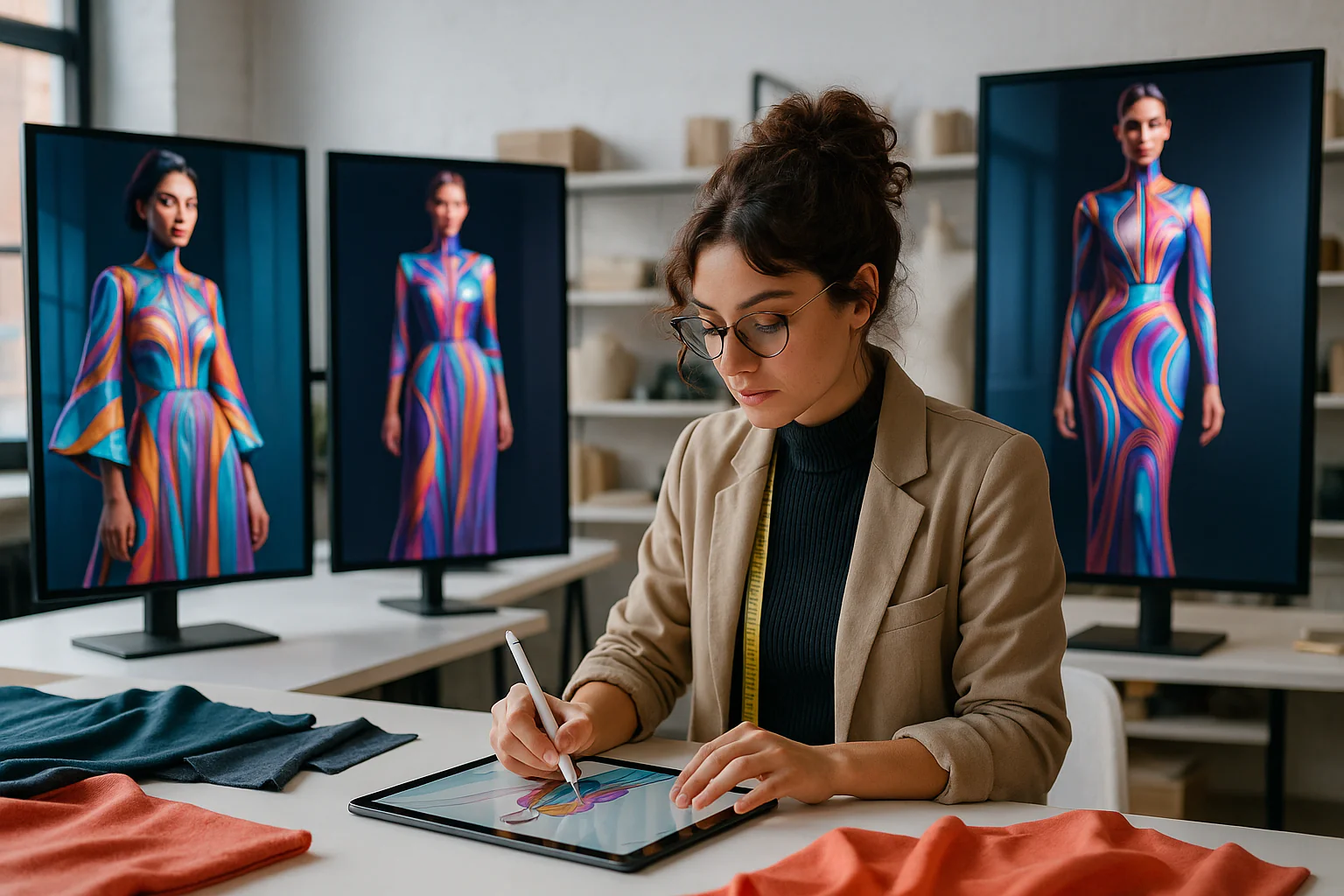
In the dynamic world of fashion, innovation is the key to staying relevant and ahead of the curve. The advent of agentic AI fashion tools marks a significant milestone in this journey, offering designers and brands a powerful ally in the creative process. These tools are not just about automating tasks; they are about enhancing human creativity, providing insights, and opening up new avenues for exploration. By analyzing vast datasets and learning from user preferences, agentic AI tools are reshaping the fashion landscape, making it more inclusive, efficient, and sustainable. As we delve into the transformative power of these tools, we uncover how they are democratizing fashion, fostering diversity, and setting new standards for creativity.
In the ever-evolving world of fashion, creativity is the lifeblood that fuels innovation and sets trends. The introduction of agentic AI fashion tools has revolutionized the industry, offering designers and brands unprecedented opportunities to explore new creative horizons. These tools, powered by advanced artificial intelligence, are not just passive assistants but active collaborators in the creative process. They possess the ability to analyze vast amounts of data, recognize patterns, and generate novel ideas, all while learning and adapting to the unique style and preferences of the user.
Agentic AI fashion tools are designed to enhance the creative capabilities of designers by providing them with insights and suggestions that might not be immediately apparent. For instance, these tools can analyze current fashion trends, consumer preferences, and historical data to predict future trends. This predictive capability allows designers to stay ahead of the curve, creating collections that resonate with the zeitgeist while also pushing the boundaries of conventional fashion. By leveraging AI's ability to process and interpret complex datasets, designers can make informed decisions that align with both artistic vision and market demand.

Moreover, agentic AI tools facilitate a more personalized approach to fashion design. They can learn from a designer's past work, understanding their unique style and aesthetic preferences. This personalized learning enables the AI to suggest design elements, color palettes, and fabric choices that align with the designer's vision, while also introducing fresh and innovative ideas. The result is a harmonious blend of human creativity and machine intelligence, where the AI acts as a muse, inspiring designers to explore new creative avenues.
The collaborative nature of agentic AI tools also extends to the production process. By optimizing design workflows and automating repetitive tasks, these tools free up valuable time for designers to focus on the creative aspects of their work. This efficiency not only accelerates the design process but also reduces costs, making high-quality fashion more accessible. Additionally, AI-driven tools can simulate and visualize designs in 3D, allowing designers to experiment with different styles and materials without the need for physical prototypes. This capability not only enhances creativity but also promotes sustainability by reducing waste.
Furthermore, agentic AI fashion tools are democratizing the fashion industry. By providing access to advanced design capabilities, they empower emerging designers and small brands to compete with established fashion houses. This democratization fosters diversity and inclusivity, as a wider range of voices and perspectives can contribute to the fashion landscape. The result is a richer, more vibrant industry that reflects the diverse tastes and preferences of consumers worldwide.
In essence, the power of agentic AI fashion tools lies in their ability to unlock creativity by augmenting human potential. They serve as catalysts for innovation, enabling designers to transcend traditional boundaries and explore new realms of possibility. As these tools continue to evolve, they will undoubtedly play an increasingly integral role in shaping the future of fashion, driving the industry towards a more creative, efficient, and inclusive future.
In the ever-evolving landscape of fashion, the integration of agentic AI tools is not just a trend but a transformative force that is reshaping how creativity is harnessed and expressed. These tools are not merely for the tech-savvy or the avant-garde; they hold immense potential for a diverse range of individuals and entities within the fashion ecosystem. Understanding who stands to benefit from these innovations can illuminate the path forward for the industry as a whole.
Fashion designers, both established and emerging, are at the forefront of those who should embrace agentic AI fashion tools. For seasoned designers, these tools offer a fresh perspective, enabling them to push the boundaries of their creativity and explore new design possibilities that were previously unimaginable. By leveraging AI, designers can experiment with complex patterns, innovative materials, and unique color combinations, all while maintaining their signature style. For newcomers, AI tools provide a level playing field, offering access to resources and insights that can accelerate their growth and help them carve out a niche in a competitive market.
Retailers and fashion brands also stand to gain significantly from adopting agentic AI tools. In an era where consumer preferences are rapidly changing, these tools can provide invaluable insights into market trends and customer behavior. By analyzing vast amounts of data, AI can help brands predict what styles will resonate with their audience, allowing them to tailor their collections accordingly. This not only enhances customer satisfaction but also optimizes inventory management, reducing waste and increasing profitability. Furthermore, AI-driven personalization can create a more engaging shopping experience, fostering brand loyalty and driving sales.
Fashion educators and institutions should not overlook the potential of agentic AI tools. As the industry evolves, so too must the curriculum that prepares the next generation of fashion professionals. By integrating AI into their programs, educational institutions can equip students with the skills and knowledge necessary to thrive in a tech-driven world. This includes not only technical proficiency but also an understanding of how to collaborate with AI to enhance creativity and innovation. By doing so, educators can ensure that their graduates are well-prepared to meet the demands of a dynamic industry.
Finally, consumers themselves are an integral part of the equation. As fashion becomes more personalized and interactive, agentic AI tools empower consumers to become co-creators in the design process. This democratization of fashion allows individuals to express their unique identities and preferences, fostering a deeper connection with the products they choose to wear. By engaging with AI-driven platforms, consumers can explore new styles, customize their wardrobe, and even participate in the design of exclusive pieces.
In essence, the power of agentic AI fashion tools lies in their ability to unlock creativity across the entire fashion spectrum. From designers and brands to educators and consumers, these tools offer a wealth of opportunities to innovate, personalize, and transform the way fashion is conceived and experienced. As the industry continues to evolve, embracing these tools will be crucial for those looking to stay ahead of the curve and make a lasting impact.
The integration of agentic AI fashion tools into the creative process is revolutionizing the fashion industry, offering a plethora of benefits that extend beyond traditional design methods. One of the most significant advantages is the enhancement of creative freedom. Designers are no longer constrained by the limitations of manual sketching or the time-consuming nature of traditional design processes. With AI tools, they can experiment with a vast array of styles, patterns, and colors at an unprecedented speed. This ability to rapidly prototype and iterate designs allows for a more dynamic and fluid creative process, where ideas can be tested and refined in real-time. The result is a more innovative and diverse range of fashion products that can cater to a broader audience.
Another profound benefit is the democratization of fashion design. Agentic AI tools empower not only seasoned designers but also aspiring creatives who may lack formal training. By providing intuitive interfaces and intelligent suggestions, these tools lower the barrier to entry, enabling a wider range of individuals to express their unique visions. This democratization fosters a more inclusive fashion landscape, where diverse voices and perspectives can contribute to the evolution of style and trends. As a result, the fashion industry becomes more representative of global cultures and identities, enriching the tapestry of fashion with a multitude of influences.
Sustainability is another critical area where agentic AI fashion tools make a significant impact. The fashion industry is notorious for its environmental footprint, but AI-driven design processes can help mitigate this issue. By optimizing material usage and reducing waste through precise pattern generation and virtual sampling, these tools contribute to more sustainable production practices. Additionally, AI can predict consumer trends with greater accuracy, allowing brands to produce only what is necessary and reduce overproduction. This shift towards a more sustainable model not only benefits the environment but also aligns with the growing consumer demand for eco-friendly fashion options.
Moreover, the personalization of fashion is taken to new heights with agentic AI tools. Consumers today seek unique, tailored experiences, and AI enables brands to deliver on this expectation. By analyzing consumer data and preferences, AI can assist in creating personalized fashion recommendations and custom designs that resonate with individual tastes. This level of personalization enhances customer satisfaction and loyalty, as consumers feel more connected to products that reflect their personal style and identity.
Finally, the integration of agentic AI in fashion fosters collaboration between human creativity and machine intelligence. This synergy allows for the exploration of new design possibilities that neither could achieve alone. Designers can leverage AI to push the boundaries of their creativity, exploring avant-garde concepts and futuristic aesthetics that challenge conventional norms. This collaborative approach not only enriches the creative process but also drives the fashion industry forward, setting new standards for innovation and artistic expression. As agentic AI tools continue to evolve, they promise to unlock even greater potential, transforming the fashion landscape in ways we are only beginning to imagine.
Embarking on the journey of integrating agentic AI fashion tools into your creative process can be both exhilarating and transformative. These tools, designed to enhance and expand your creative capabilities, offer a unique blend of technology and artistry that can redefine how you approach fashion design. To begin, it's essential to understand the landscape of AI in fashion and how these tools can be tailored to your specific needs.
The first step in leveraging agentic AI fashion tools is to identify your creative goals. Are you looking to streamline your design process, explore new styles, or perhaps personalize fashion experiences for your clients? Understanding your objectives will guide you in selecting the right tools and features that align with your vision. For instance, if your goal is to innovate with sustainable materials, AI tools can analyze vast datasets to suggest eco-friendly alternatives and predict trends in sustainable fashion.
Once your goals are clear, the next phase involves familiarizing yourself with the available AI platforms. Many of these tools offer user-friendly interfaces that require minimal technical expertise, making them accessible to designers at all levels. It's beneficial to start with platforms that offer comprehensive tutorials and community support. Engaging with online forums and user groups can provide valuable insights and tips from other designers who have successfully integrated AI into their workflows.
Experimentation is a crucial part of the process. Begin by exploring the various features and capabilities of your chosen AI tools. This might involve using AI to generate design prototypes, analyze color palettes, or even predict consumer preferences. The beauty of agentic AI lies in its ability to offer suggestions and alternatives that you might not have considered, thus expanding your creative horizons. As you experiment, keep an open mind and be willing to iterate on your designs based on the feedback and insights provided by the AI.
Collaboration is another key aspect of working with agentic AI fashion tools. These tools can facilitate collaboration by allowing multiple designers to work on a project simultaneously, regardless of their physical location. This opens up opportunities for cross-cultural exchanges and the blending of diverse design philosophies, leading to more innovative and inclusive fashion creations.
As you integrate these tools into your workflow, it's important to maintain a balance between technology and human creativity. While AI can provide data-driven insights and automate certain aspects of the design process, the human touch remains irreplaceable. Your unique perspective, intuition, and emotional connection to your work are what ultimately bring your designs to life. Use AI as a partner in your creative journey, one that enhances your capabilities without overshadowing your artistic voice.
Finally, staying updated with the latest advancements in AI technology is crucial. The field of AI is rapidly evolving, with new tools and features being developed regularly. Subscribing to industry newsletters, attending webinars, and participating in workshops can help you stay informed and continue to refine your skills. By embracing continuous learning, you can ensure that you remain at the forefront of innovation in the fashion industry, leveraging agentic AI to unlock new levels of creativity and success.
Timing is everything when it comes to leveraging the transformative potential of agentic AI fashion tools. The fashion industry, known for its rapid pace and ever-evolving trends, demands a strategic approach to innovation. Understanding when to integrate these advanced tools can significantly impact a brand's creative output and market relevance. The best time to unlock the power of agentic AI fashion tools is during the early stages of the design process. This is when creativity is at its most fluid, and the possibilities are endless. By introducing AI tools at this juncture, designers can explore a broader spectrum of ideas, pushing the boundaries of traditional fashion design. AI can analyze vast datasets, offering insights into emerging trends and consumer preferences, which can inspire designers to create collections that are both innovative and aligned with market demands.
Another critical moment to employ these tools is during the prototyping phase. AI can streamline the creation of prototypes by simulating various design elements and predicting their performance. This not only saves time and resources but also allows designers to experiment with unconventional materials and structures without the risk of costly failures. By using AI to test and refine designs, fashion houses can ensure that their final products are both aesthetically pleasing and functional, meeting the high standards of modern consumers.
The marketing and launch phase is another opportune time to utilize agentic AI fashion tools. AI-driven analytics can provide deep insights into consumer behavior, enabling brands to tailor their marketing strategies to target specific demographics effectively. By understanding the preferences and purchasing habits of their audience, brands can craft personalized marketing campaigns that resonate on a deeper level, increasing engagement and driving sales. Additionally, AI can assist in optimizing supply chain logistics, ensuring that products reach the market swiftly and efficiently, which is crucial in an industry where timing can make or break a collection's success.
Furthermore, the post-launch period offers a unique opportunity to harness AI tools for feedback and iteration. By analyzing consumer feedback and sales data, AI can help brands understand what worked and what didn’t, providing valuable insights for future collections. This continuous loop of feedback and improvement is essential for staying competitive in the fast-paced fashion industry. By embracing AI at this stage, brands can remain agile, adapting quickly to changing trends and consumer demands.
In essence, the best time to unlock the power of agentic AI fashion tools is not confined to a single moment but spans the entire lifecycle of a fashion collection. From initial design to post-launch analysis, AI offers invaluable support at every stage, enhancing creativity, efficiency, and market responsiveness. By strategically integrating these tools, fashion brands can not only keep pace with the industry’s rapid evolution but also set new standards for innovation and creativity.
The digital fashion landscape is rapidly evolving, and agentic AI fashion tools are at the forefront of this transformation. These tools are not just reshaping how fashion is designed and consumed but are also democratizing creativity, allowing both seasoned designers and novices to explore new realms of possibility. The question then arises: where can one access these powerful tools to unlock their creative potential?
One of the most accessible platforms for agentic AI fashion tools is the burgeoning world of online design software. Websites like CLO 3D and Browzwear offer sophisticated AI-driven design environments that allow users to create intricate fashion designs with ease. These platforms provide a virtual space where designers can experiment with textures, patterns, and silhouettes without the constraints of physical materials. The AI capabilities embedded within these tools enable users to simulate fabric behavior, adjust designs in real-time, and even predict how garments will fit on different body types. This not only enhances creativity but also significantly reduces the time and cost associated with traditional design processes.
Social media platforms are also playing a pivotal role in the dissemination of agentic AI fashion tools. Instagram and Pinterest, for instance, are not just spaces for sharing finished designs but have become interactive hubs where AI-driven fashion applications are integrated. These platforms offer tools that allow users to visualize how different styles and colors might look on them, effectively turning every user into a potential designer. By leveraging AI, these applications can suggest personalized fashion choices based on user preferences and trends, fostering a more interactive and engaging fashion experience.
Moreover, the rise of virtual reality (VR) and augmented reality (AR) technologies is opening new avenues for accessing agentic AI fashion tools. Companies like Oculus and Magic Leap are developing immersive environments where users can interact with fashion in a three-dimensional space. These VR and AR platforms allow designers to create and manipulate digital garments in a virtual setting, providing a level of creative freedom that is unparalleled. The integration of AI in these environments means that designers can receive real-time feedback and suggestions, further enhancing the creative process.
Educational institutions and online learning platforms are also crucial in making agentic AI fashion tools accessible. Universities and fashion schools are increasingly incorporating AI-driven design software into their curricula, ensuring that the next generation of designers is well-versed in these cutting-edge technologies. Online platforms like Coursera and Udemy offer courses that teach the fundamentals of AI in fashion design, providing learners with the skills needed to navigate and utilize these tools effectively.
Finally, the open-source community is a treasure trove for those looking to explore agentic AI fashion tools. Platforms like GitHub host a variety of projects and resources that are freely available to the public. These open-source tools allow users to experiment with AI algorithms and contribute to the development of new applications, fostering a collaborative environment where creativity can flourish.
In essence, the accessibility of agentic AI fashion tools is transforming the fashion industry by breaking down traditional barriers to creativity. Whether through online design software, social media, VR and AR technologies, educational platforms, or open-source communities, these tools are empowering individuals to explore and express their unique fashion visions. As these technologies continue to evolve, the possibilities for creative expression in fashion are boundless, offering exciting opportunities for both established designers and newcomers alike.
The intersection of artificial intelligence and fashion is a burgeoning field that has sparked curiosity and innovation. As agentic AI fashion tools become more prevalent, many questions arise about their capabilities, implications, and potential to revolutionize the industry. This section addresses some of the most frequently asked questions to provide a comprehensive understanding of this exciting development.
Agentic AI fashion tools refer to artificial intelligence systems designed to assist and enhance creativity in the fashion industry. Unlike traditional AI, which often follows pre-set algorithms, agentic AI possesses a degree of autonomy, allowing it to make decisions and generate creative outputs. These tools can analyze vast datasets, identify trends, and even create original designs, offering designers a powerful ally in the creative process. By leveraging machine learning and deep learning techniques, agentic AI can adapt to new information and refine its outputs, making it an invaluable resource for fashion professionals seeking to push the boundaries of creativity.
Agentic AI fashion tools enhance creativity by providing designers with new perspectives and insights that might not be immediately apparent through human analysis alone. They can process and analyze large volumes of data from various sources, such as social media, fashion shows, and consumer behavior, to identify emerging trends and preferences. This data-driven approach allows designers to make informed decisions and experiment with innovative ideas. Additionally, AI tools can generate unique design concepts by combining different styles, colors, and patterns, offering a fresh source of inspiration. By automating routine tasks, such as fabric selection and pattern generation, these tools free up designers to focus on more complex creative challenges, ultimately fostering a more dynamic and innovative design process.
The integration of agentic AI in fashion raises several ethical considerations that must be addressed. One primary concern is the potential for AI to perpetuate biases present in the data it analyzes. If the datasets used to train AI models contain biased information, the outputs may reflect and reinforce these biases, leading to designs that lack diversity or inclusivity. To mitigate this risk, it is crucial to ensure that AI systems are trained on diverse and representative datasets. Additionally, there is the question of authorship and intellectual property. As AI-generated designs become more prevalent, determining the ownership of these creations becomes complex. Establishing clear guidelines and legal frameworks is essential to protect the rights of both designers and AI developers.
The future of agentic AI in fashion is promising, with the potential to transform the industry in unprecedented ways. As AI technology continues to evolve, we can expect more sophisticated tools that offer even greater creative capabilities. These advancements may lead to more personalized fashion experiences, where AI tailors designs to individual preferences and body types. Furthermore, the integration of AI could drive sustainability efforts by optimizing resource use and reducing waste in the production process. As designers and AI systems collaborate more closely, the fashion industry may witness a new era of innovation, characterized by bold, imaginative designs that challenge traditional norms and redefine the boundaries of creativity.
Further reading:
Adobe