.png)
English

The fashion industry is undergoing a revolutionary transformation with the advent of agentic AI fashion. This innovative technology is not just a trend; it represents a paradigm shift in how fashion is designed, produced, and consumed. In this post, we will explore the multifaceted impact of agentic AI on fashion design, its ethical implications, and its potential for sustainability.
Agentic AI refers to autonomous systems capable of making decisions and creating outputs without human intervention. In the context of fashion, this means AI can design clothing, predict trends, and even personalize styles for consumers.

AI fashion tools are revolutionizing the design process. These tools can analyze vast amounts of data to identify trends and consumer preferences.
For example, Business of Fashion: AI Fashion Design highlights how leading brands use AI to optimize inventory and predict trends.
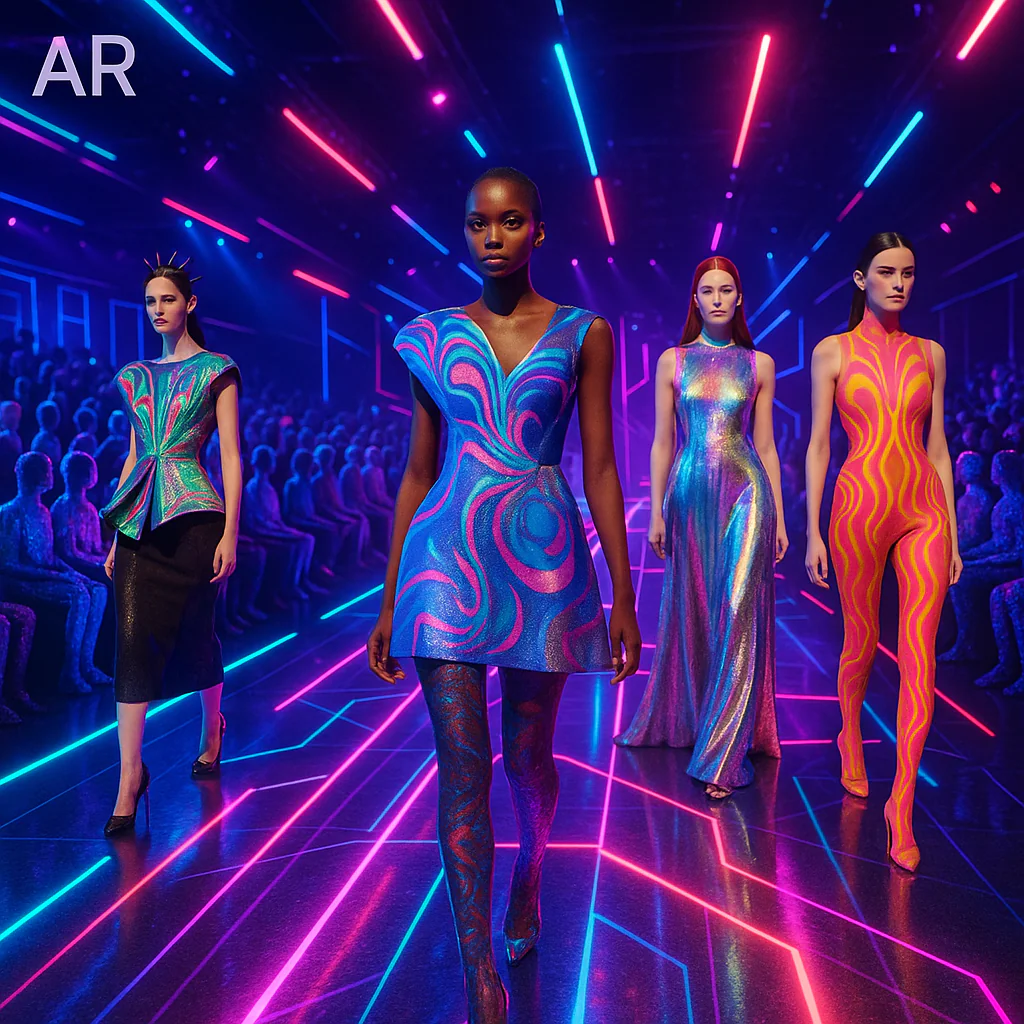
The integration of AI in fashion is reshaping the industry landscape. Traditional design processes are being replaced by data-driven methodologies.
As AI takes a more prominent role, ethical and legal questions arise. Who owns the designs created by AI? Will AI replace human designers? These are important questions for the future of fashion.

Agentic AI can contribute to sustainability in fashion by optimizing resource use. AI can minimize fabric waste through precise cutting techniques and identify eco-friendly materials for production.
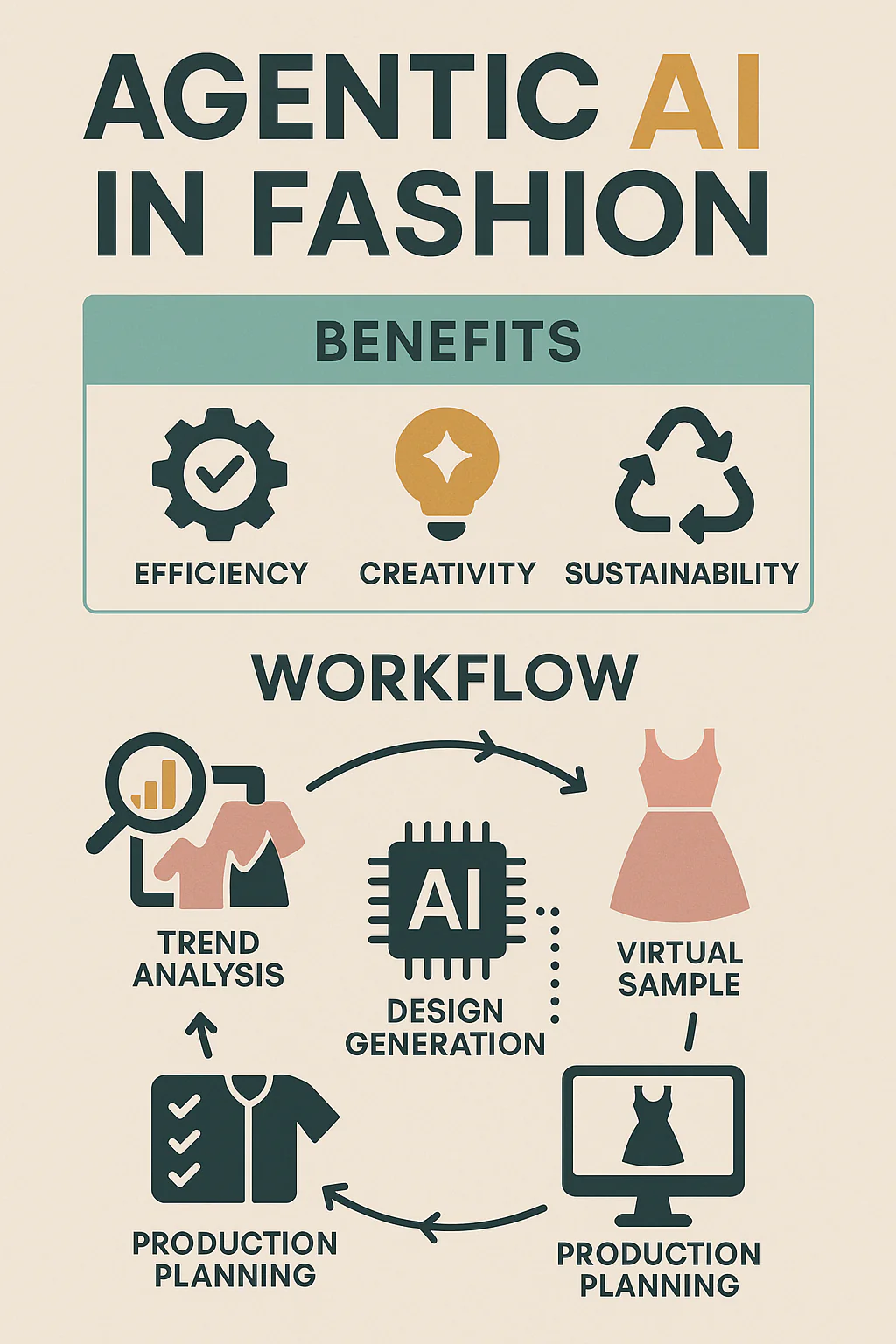
The future of fashion is undeniably intertwined with agentic AI fashion. As we embrace this technology, it is crucial to navigate the ethical and sustainability challenges it presents. The potential for innovation is vast, and the fashion industry stands on the brink of a new era.
© 2025 thefword.ai. All rights reserved.
101 People Reading our Newsletter Right Now!
