
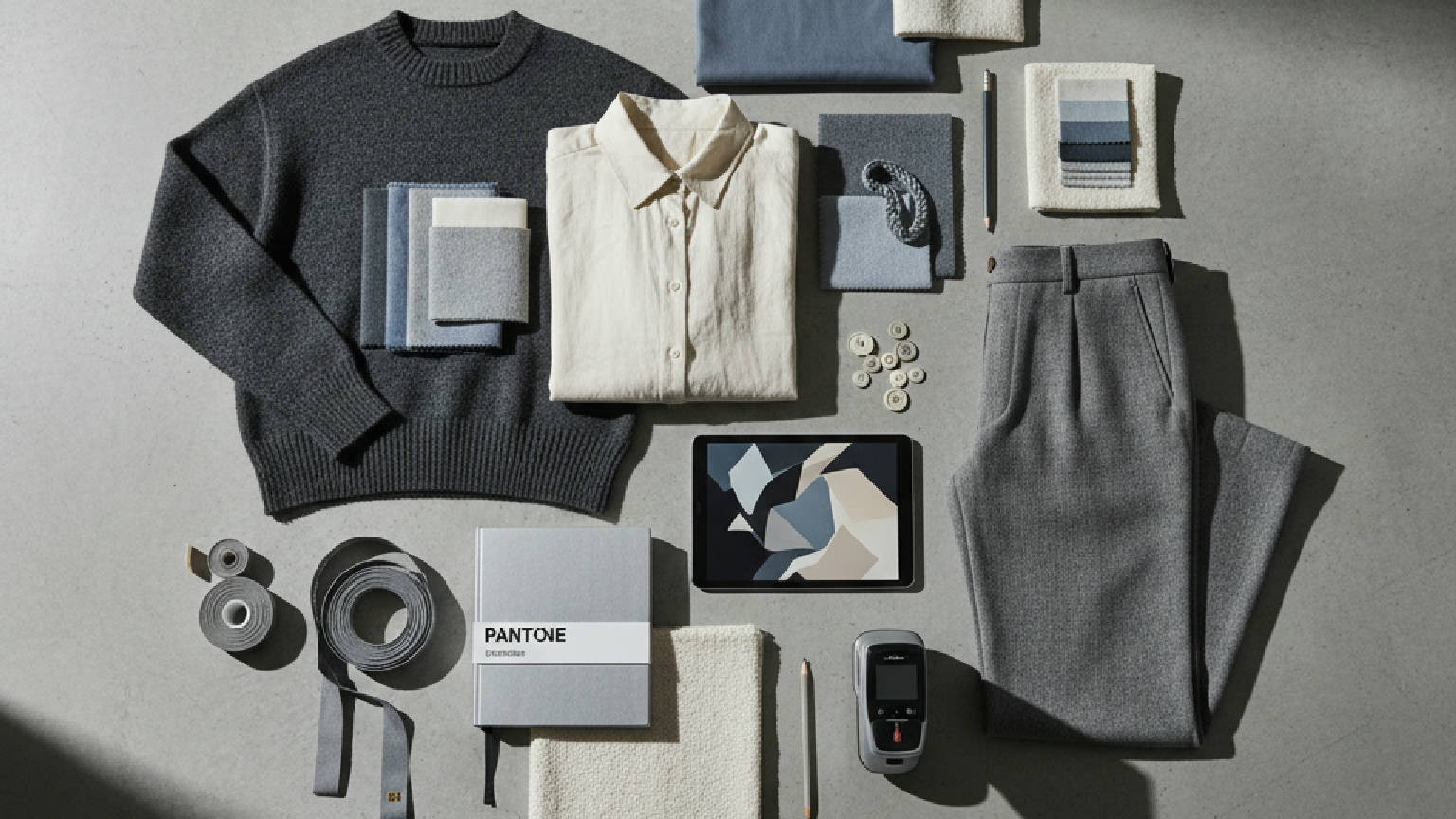
A common bottleneck in fashion product development is the cumbersome process of colorway creation and approval. Traditionally, designers and merchandisers spend weeks iterating on color palettes, only to face further delays during the lab-dip stage with suppliers. These delays can jeopardize a brand's ability to meet seasonal launch deadlines. AI colorway generation offers a streamlined solution by integrating Pantone palettes, AI-driven simulations, and efficient supplier handoffs into a cohesive workflow.
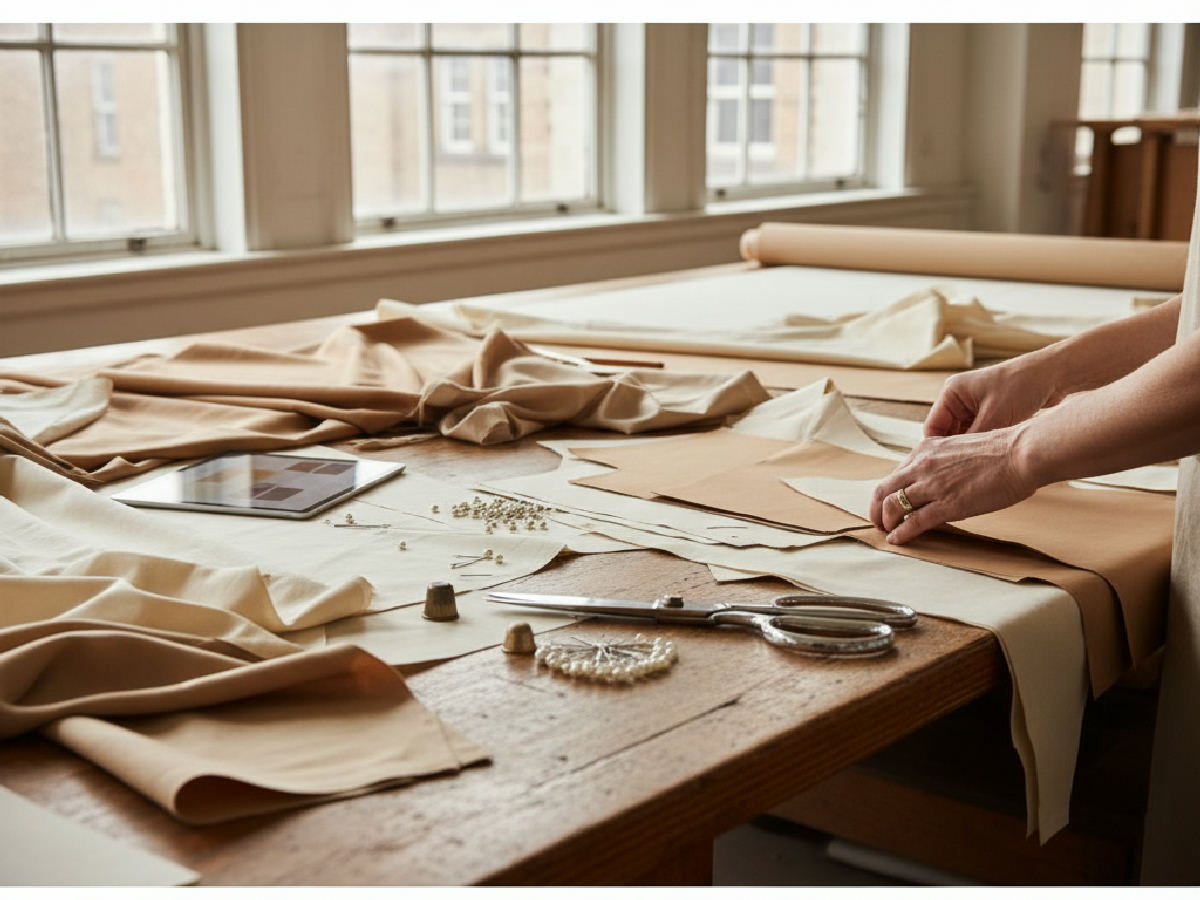
AI colorway generation is redefining how designers approach color selection. By starting with Pantone's extensive library, designers can input their initial color inspirations into the AI system. The AI then generates multiple colorway simulations that align with the brand's aesthetic and market trends. These simulations are not just digital mock-ups; they can be mapped directly onto fabric simulations, offering a realistic preview of how each colorway will look on the final product.
What this looks like in practice: A tech designer at a 200-SKU contemporary brand might begin by selecting three Pantone colors that reflect the upcoming season's trends. The AI generates ten potential colorway simulations in under an hour, each reflecting a different moodboard direction. The designer then selects the top three based on the AI's recommendations, forwarding them for virtual fabric simulation.
Common pitfalls: AI colorway tools sometimes generate simulations that don't accurately represent the fabric's texture. Consistent calibration and updates are essential to align digital outputs with physical realities.

Creative director? Go from trend signal to moodboard and tech pack.
The F* Word turns a real-time trend into a brand-aligned moodboard and the factory-readable tech pack that ships it. One workflow, free to try.
The traditional colorway process often involves back-and-forth communication between designers and suppliers, with physical samples flying across the globe. AI changes this by allowing designers to simulate fabric textures and colors digitally, reducing reliance on physical samples. This digital-first approach speeds up the process and cuts down on material waste, aligning with sustainable practices.
What this looks like in practice: A merchandiser at a mid-size brand uses AI to simulate a fabric's texture and color. By inputting the Pantone codes into the system, they receive a digital preview that can be shared directly with the production team, avoiding the need for costly sample shipments.
Common pitfalls: While AI simulations are faster, they can misrepresent colors if the software's calibration is off. To avoid this, designers should ensure regular updates and calibrations of their AI tools to match physical fabrics accurately.

Once the AI has simulated the colorways, the system can generate a colorway approval matrix. This matrix offers a structured overview of all proposed colorways, including fabric compatibility and estimated costs. It allows for easy communication with suppliers, who can quickly assess and provide feedback without the need for multiple lab-dip rounds.
What this looks like in practice: A purchasing manager receives the colorway approval matrix and sends it to three different suppliers. Each supplier uses the matrix to quickly identify feasible options based on their current dye capabilities, reducing the usual 2-week negotiation to just a few hours or a couple of days.

Consider a fashion brand that typically spends 4 weeks on colorway development for each style. By incorporating AI colorway generation, this timeline can be reduced significantly. Inputs include Pantone color selection and AI processing, which takes approximately 2 hours per style. The result is a reduction from 4 weeks to less than a day, allowing brands to respond more swiftly to market demands.
Edge Case Consideration: In a scenario where color precision is crucial, such as with high-end luxury brands, the AI system might require additional manual oversight to ensure that digital simulations match the luxurious appearance of the final product. A sync with your brand DNA systems of record could also help accuracy.
"Colorway Matrix Optimization" is a framework that combines AI simulations with decision matrices to streamline colorway development. It involves using AI to generate multiple color options based on initial inputs, which are then organized into a matrix for easy comparison and approval. This approach speeds up the process and enhances precision in color matching. However, it relies heavily on the accuracy of AI algorithms and may face challenges if initial inputs are not well-defined.
How to Apply: Start by defining clear color objectives and input Pantone selections into the AI tool. Review the generated simulations, select the most promising options, and organize them into a decision matrix. Share this matrix with key stakeholders for final approval.
Expected Impact Metrics: Brands implementing this framework can expect a 70% reduction in colorway iteration time, and a 50% faster go-to-market timeline. Many are also getting real time trending colors from apps like https://app.thefword.ai
Tradeoffs and Failure Modes: While the framework significantly reduces time, it may not capture the artistic nuances that a designer might envision. Regular calibration and updates to the AI system are necessary to maintain alignment with creative expectations.
AI's role doesn't end with colorway generation. It extends into manufacturing handoffs and quality assurance workflows. Once a colorway is approved, AI systems can provide detailed production instructions, reducing the margin for human error. This includes specifying dye types, application techniques, and quality checks that align with the digital simulations.
What this looks like in practice: A production manager can use AI-generated instructions to brief the manufacturing team, ensuring consistency between the digital simulation and the actual product. Regular QA checks are then conducted using AI-driven tools to detect discrepancies early in the production cycle. An intelligent and production-ready colorway has a multitude of benefits from saved cost, time, boosted speed and revenue.
Integrating AI into the colorway process is about speed; it also impacts cost and team dynamics. AI tools help quantify the cost implications of different color choices early in the process. This allows brands to make more informed decisions that balance creativity with budget constraints.
What this looks like in practice: A finance manager at a large apparel company uses AI to project the cost of each colorway. By analyzing data on dye costs and production efficiency, the manager can provide detailed forecasts that guide the design team's decisions.
Adoption Challenges: Transitioning to an AI-driven workflow requires buy-in from all team members. Training and change management are critical to ensure successful integration. Teams must be prepared to adapt to new tools and processes, which may initially disrupt traditional workflows.
AI colorway generation uses artificial intelligence to automate the color selection process. It provides quick simulations and reduces the need for physical samples by generating realistic digital fabric previews. This accelerates the design phase and aligns with sustainable production practices by minimizing waste.
AI improves the colorway process by offering instant fabric simulations and structured approval matrices. It reduces the traditional delays associated with physical samples and lab-dips, saving both time and resources. The system enhances decision-making by providing data-driven insights that align with market trends and consumer preferences.
AI's effectiveness depends on the quality of initial inputs and the accuracy of the algorithms. Poor data can lead to suboptimal color simulations, which might not reflect the brand's aesthetic. Designers must ensure that AI tools are regularly updated and calibrated to maintain precision in color representation.
AI significantly shortens the production timeline by streamlining colorway development and reducing the need for physical sampling. It allows brands to react swiftly to seasonal trends and market demands. However, the initial setup and training of AI systems require investment and time, which can be a barrier for smaller brands.
AI cannot fully replace the designer's role; it serves as a tool to enhance creativity and efficiency. While AI provides valuable simulations and data-driven insights, the designer's creative vision and expertise remain crucial in defining the brand's unique aesthetic and ensuring that AI outputs align with it.
Ready to streamline your colorway process? Discover how The F* Word's platform can accelerate your tech pack creation, reduce sampling rounds, and keep you ahead of trends. Start now.
Related: moodboard generation for fashion
Get The F* Word workflow insights in your inbox.