
English
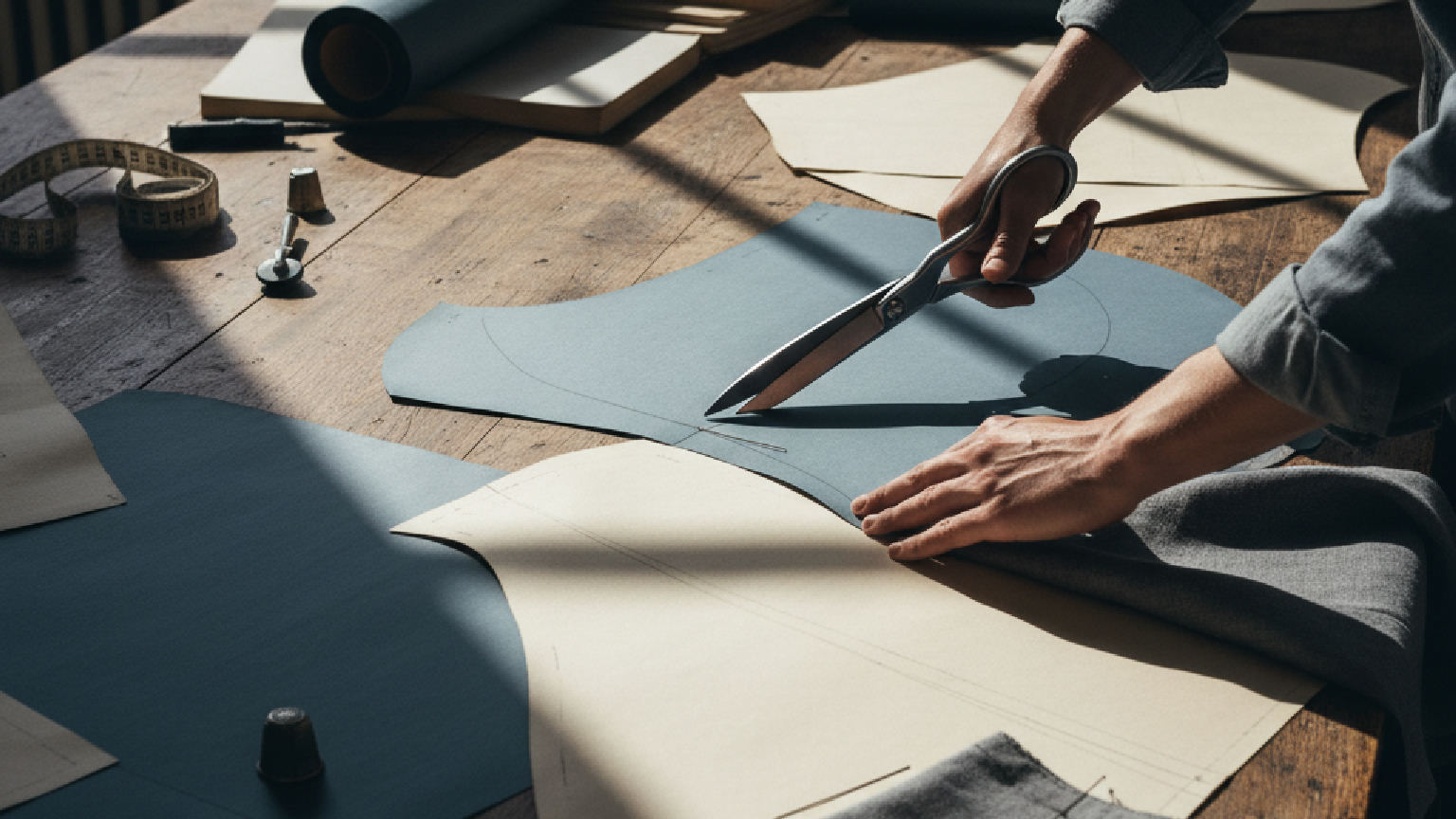
The runway of AI fashion design is littered with stunning, but ultimately useless, images. We have reached image-quality parity. Any design team, with any budget, can now generate a mood board full of beautiful concepts. This is not a competitive advantage. The real moat in modern fashion is not static beauty, but dynamic, intelligent workflow. It is the connective tissue that takes a fleeting vision and makes it factory-ready, consistently and profitably.
Many brands are still chasing the siren song of "more design ideas, faster." They invest in tools that promise an endless stream of visual inspiration, only to find themselves drowning in a sea of JPEGs. The bottleneck has merely shifted. It is no longer about generating a garment sketch or a texture map; it is about translating that sketch into a tech pack that a factory in Vietnam can understand without a dozen rounds of clarification. It is about an AI that remembers your brand's fit block, your preferred trims, your sustainability targets, and applies them automatically, every single time.

For a brief moment, the ability to generate a striking image via AI fashion design felt like magic. We were captivated by the rapid-fire creation of novel silhouettes, prints, and colorways. And it was magic, of a sort. However, that magic has normalized. The tools that once felt exclusive are now ubiquitous. Generating a hundred variations of a trench coat is no longer a differentiator; it is a baseline expectation. The issue now is what you do with those hundred images. How many of them accurately reflect your brand's existing supply chain capabilities? How many use materials you can actually source? How many are accompanied by a fully specced bill of materials?
The output of most AI design tools is a visual concept, not a production-ready asset. This gap is where most brands stumble. They get excited by the concept, pass it to product development, and then watch as the weeks tick by in a flurry of emails, spreadsheets, and manual updates. The initial speed gain from AI image generation is lost in the sluggish, human-intensive process of translating creative intent into something tangible. This is where an advanced ai fashion workflow provides true use for an organization. It bridges the chasm between a designer's vision and a factory's requirements.
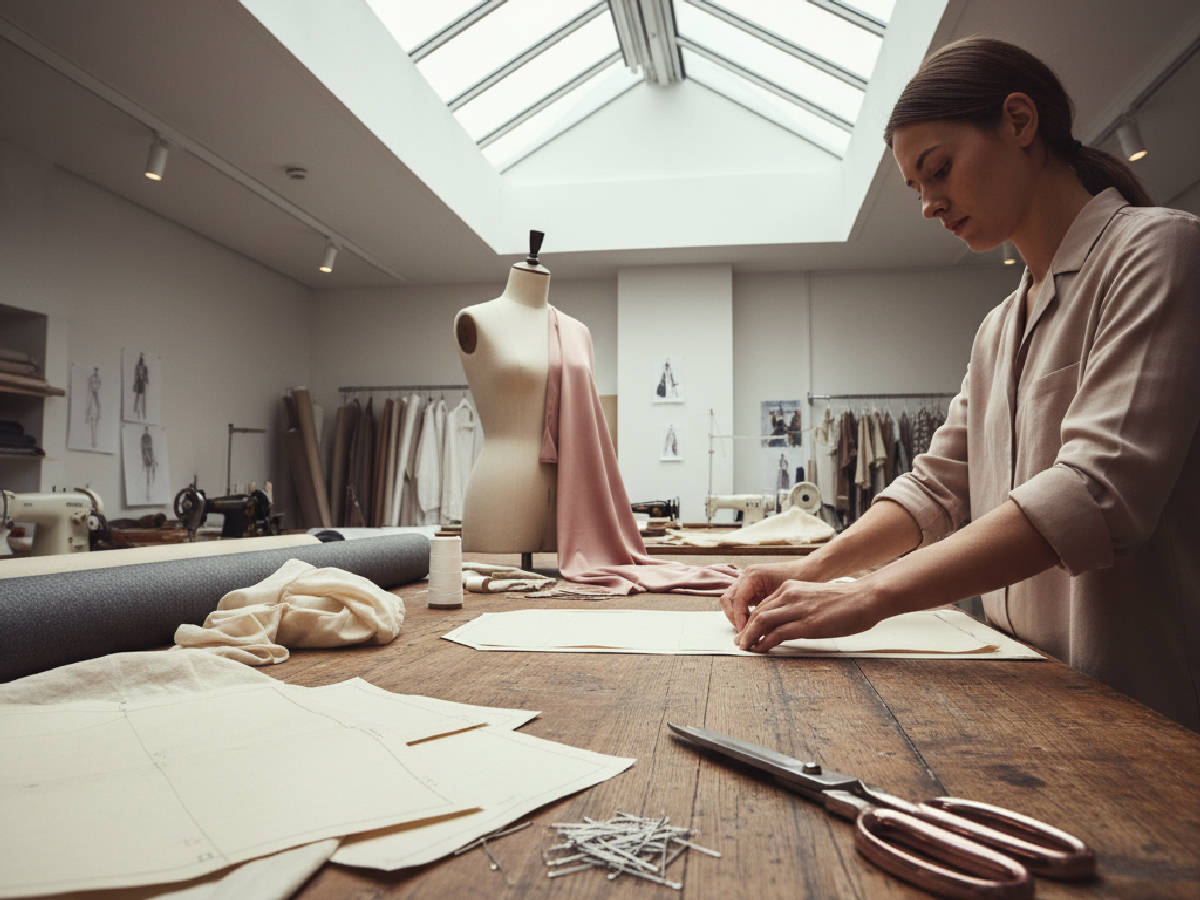
The true value of AI in fashion design lies not in its ability to replicate existing design processes, but in its capacity to augment and automate the laborious parts of tech pack creation. Consider an AI that, upon seeing a rendered design, automatically suggests compatible fabrications from your approved vendor list, pulls in correct measurement specifications for your standard size run, and generates a preliminary bill of materials. This is not science fiction; it is achievable now with the right ai fashion workflow tools.
A smart ai fashion workflow acts as a living memory for your brand's production DNA. It knows your preferred closures, your stitching rules, your trims, and even your factory's specific nomenclature. This built-in intelligence drastically cuts down on the back-and-forth that plagues product development. Instead of starting from scratch with every design, product developers are presented with a near-complete tech pack, requiring only minor adjustments and expert oversight. This shift frees up product development teams to focus on problem-solving and innovation, rather than repetitive data entry.
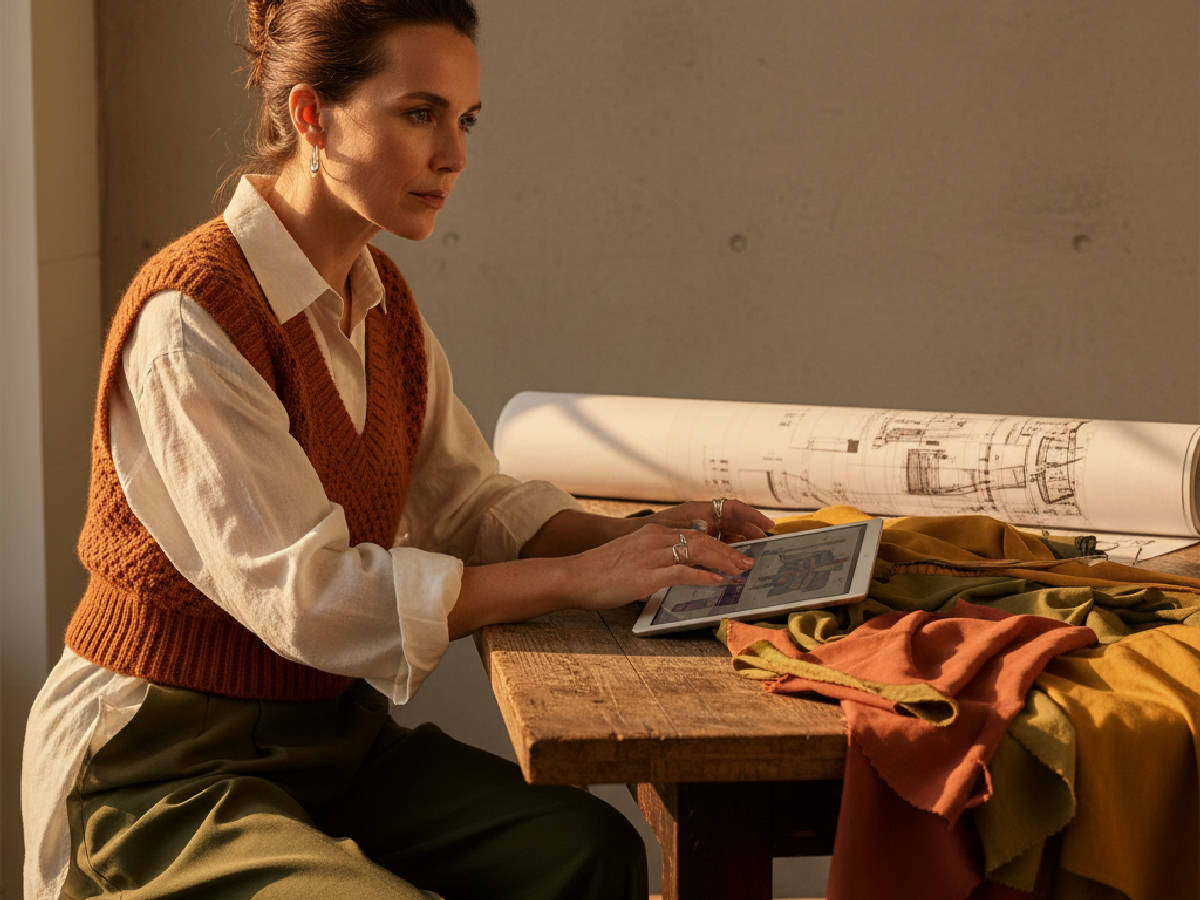
For too long, product development has been the bottleneck in the fashion supply chain. Creative directors generate stunning ideas, but these ideas often get stuck in the arduous process of translation into factory-ready instructions. This creates friction, delays, and often, frustration. An intelligent ai fashion workflow can fundamentally transform this reality. It provides the infrastructure for creative ideas to flow smoothly into production, without losing fidelity or time.
Consider a scenario where a designer sketches a new jacket. Instead of a linear, hand-off process, the AI instantly begins cross-referencing brand standards, material libraries, and cost targets. It can flag potential issues early, such as a zipper specified that is not available from an approved vendor, or a pattern complexity that exceeds a particular factory's capability. This proactive approach saves weeks of development time and prevents costly mistakes down the line. It transforms product development from a reactionary function into a strategic one.
When evaluating AI fashion design tools, it is crucial to distinguish between those focused solely on visual generation and those offering comprehensive workflow intelligence. The investment case changes dramatically when you move beyond just pretty pictures.
|
Comparison of moodboard handoff approaches across core production metrics |
|||
|---|---|---|---|
| Metric |
Traditional moodboard handoff |
AI-structured moodboard handoff |
Who feels the impact |
|
Revision cycles before factory-ready tech pack |
2.5 to 4.0 cycles, average 2.8 |
1.0 to 2.0 cycles, average 1.4 |
Creative, tech design, production |
| Time to first tech pack | 7 to 12 days per style | 2 to 5 days per style | Tech design, vendors |
| Cost variance against target | Plus or minus 12 percent | Plus or minus 5 percent | Merch, finance |
| Owner clarity on decisions |
Scattered across email and decks |
Logged by component with timestamps |
Everyone |
| Factory-side rework rate | 15 to 20 percent of styles | 7 to 10 percent of styles | Vendors, production |
The ability of an AI system to remember, learn, and apply your brand's specific parameters is the ultimate competitive advantage. This is not about generic "AI in fashion" capabilities; it is about an AI that becomes an extension of your own product development team, with an encyclopedic knowledge of your brand's unique needs. This workflow memory ensures consistency across collections, enforces brand standards, and accelerates the entire product lifecycle.
Forget the endless back and forth on trim details, fabric weights, or grading rules. An intelligent ai fashion workflow system internalizes these nuances. When a designer creates a new style, the AI can proactively flag deviations from brand guidelines or suggest optimal components based on past successful products. This institutional memory, codified and automated, is what truly differentiates a brand in a crowded market. It allows smaller teams to achieve the output and precision of much larger organizations.
The buying conversation has moved past tool selection. Founders, heads of product, and creative directors are no longer asking which AI fashion design tool produces the best image. They ask a sharper question: which platform turns intent into a factory-ready spec without three rounds of cleanup. That is a workflow question, not a model question. Vendors that answer with image quality lose the room. Vendors that answer with structured outputs, brand memory, tech pack handoff, and an audit trail win the contract. The buyer is buying repeatable production, not generative novelty. The F* Word fits that ask because it sits between the moodboard and the factory, generating both moodboards and tech packs as named outputs, and holding brand DNA across seasons so the same brief produces the same brand-aligned result every time.
No, AI augments design capabilities, it does not replace them. AI excels at repetitive tasks, data analysis, and generating variations, freeing designers to focus on creative strategy, artistic direction, and nuanced problem-solving. It handles the mundane, so humans can elevate the creative. The goal of ai fashion design is to empower, not to replace.
Modern AI fashion workflow solutions are designed for integration. They often come with APIs and connectors for common PLM, ERP, and CAD software. The initial setup involves training the AI on your brand's specific data, such as material libraries, size charts, and approved vendor lists, but this investment yields significant long-term returns in efficiency.
Absolutely not. Smaller brands, often with leaner product development teams, stand to gain tremendously from ai fashion workflow tools. By automating tedious tasks and centralizing brand knowledge, these tools allow smaller operations to scale their output and precision without needing to hire additional staff, leveling the playing field against larger competitors.
ROI varies but typically includes significant reductions in sample creation cycles, fewer production errors, faster time to market for new products, and a more efficient allocation of product development resources. Brands often see reduced material waste due to better planning and more accurate tech packs, directly impacting profitability.
The future of fashion is not just about what you can design, but how efficiently and intelligently you can bring that design to life. Stop chasing ephemeral images and start building a durable advantage. Try the workflow.
Related: AI fashion design workflow · Ensuring fabric consistency key to successful prototyping with ai fabric generat · What are the top 5 ai models now
Get The F* Word workflow insights in your inbox.