
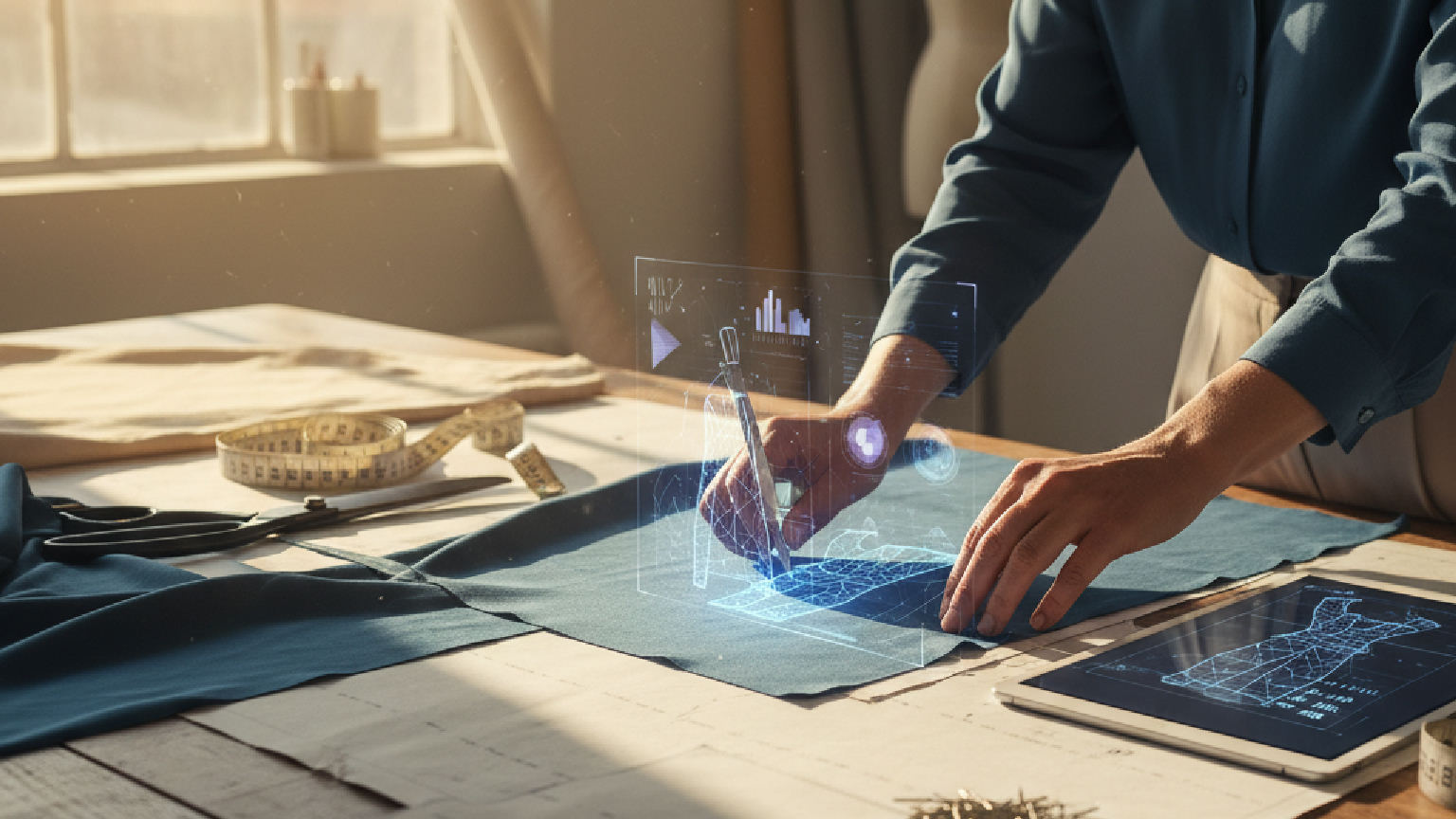
Quick answer: AI cuts sampling cost by removing rounds, not by removing samples. Validating measurements, BOM, and construction before handoff typically takes a brand from three proto rounds to two, which is one avoided sample per style at roughly 120 to 400 US dollars each depending on category and factory.
Definition: AI reduces sampling cost by validating a tech pack before the factory cuts fabric. Measurement checks, BOM completeness, and construction callouts get resolved on screen, so the first physical sample arrives closer to correct and the brand pays for fewer rounds of proto.
For fashion brands, sampling is a notorious cost driver. Creative directors and designers often face a drawn-out process involving multiple revisions between design sketches and final samples. This back-and-forth delays product launches and inflates budgets. In 2026, AI Fashion Design platforms like The F* Word are shift this market by offering a rapid solution that can turn trends into tech packs in under 10 minutes.
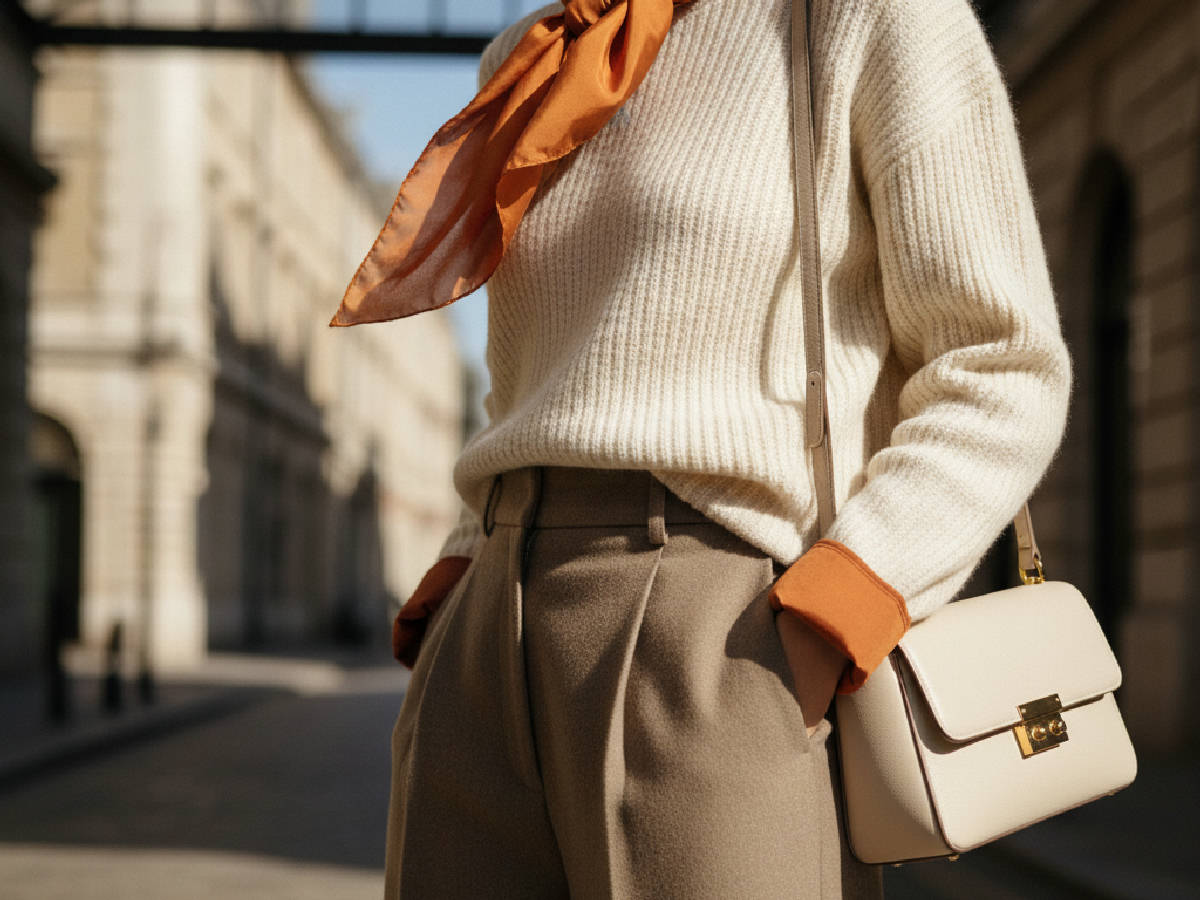
What this looks like in practice: Consider a technical designer at a 200-SKU contemporary brand. They receive trend inputs and sketch ideas, which are then quickly converted into detailed tech packs using AI. This workflow streamlines the handoff to production, allowing teams to spend more time on creative ideation and less on tedious revisions.
In-house designer? Make AI fashion design survive the factory.
The F* Word turns a real-time trend into a brand-aligned moodboard and a factory-readable tech pack. What you design is what the factory makes. Free to try.
A mid-size brand handling 200 styles per season can spend up to 6 weeks on each style, primarily due to the iterative nature of traditional sampling. This involves numerous rounds of revisions, fabric testing, and communication between designers and technical teams. The financial implications are significant, with costs sometimes reaching $450 per style.
What this looks like in practice: A merchandiser working with traditional sampling often juggles communication across teams, scheduling fittings, and coordinating with suppliers. This process is labor-intensive and prone to errors, leading to delayed timelines and increased costs.
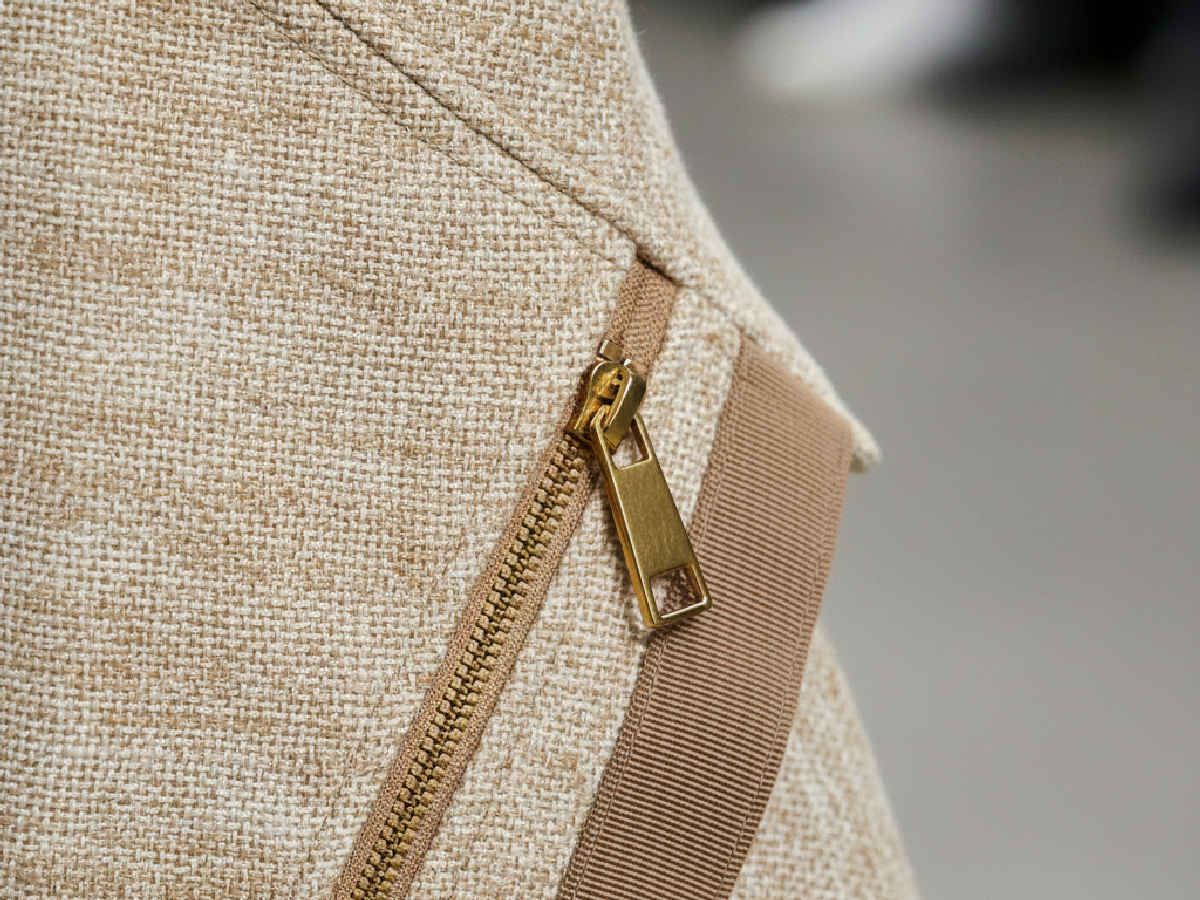
AI platforms such as The F* Word significantly cut down these timelines, enabling brands to produce tech packs with full accuracy from a single sketch input. These AI systems extract silhouette data, apply it to the brand's construction library, and output spec-ready tech packs complete with seam allowances, stitch types, and fabric requirements. As a result, the revision cycle is reduced to just a few hours.
What this looks like in practice: For a design team, this means uploading a sketch, receiving a complete tech pack within minutes, and immediately moving to production discussions. The accuracy reduces back-and-forth edits, ensuring the final product matches the design vision.

While platforms like The Fabricant, The New Black, New Arc, and Resleeve have made AI image generation popular for mood boards and conceptual work, AI Fashion Design is a different category altogether. It focuses on real workflow efficiency and operational intelligence instead of just creating pretty pictures. These systems integrate the full product development process, from trend analysis to pattern generation, grading, and tech pack delivery. This creates a smooth, accurate pipeline that regular image generators cannot match.
In practice, a creative director can feed in emerging trends, like a new color palette or silhouette shift, and quickly see dozens of variations across different categories such as dresses, jackets, or activewear. At the same time, the AI checks fabric behavior, fit measurements, grading rules, and manufacturing requirements. The creative vision and technical details stay aligned from the very beginning. This removes the usual back-and-forth where design teams create beautiful renders and then technical teams spend weeks translating them into production-ready files. The outcome is much faster timelines, fewer mistakes, and a stronger link between creative ideas and actual sellable products.
By 2026, image generators have become commodities. They are great for visuals, but they fall short on the practical side. They do not properly account for how fabrics move, drape, or behave under real conditions. They also ignore important details like seam allowances, ease for comfort, or the exact file formats factories need. Most manufacturers cannot produce wearable garments from a simple image. They require proper CAD patterns, detailed measurement specs, material lists, and construction notes in standard formats like DXF or PLM files. Without those, even the most realistic image stays purely decorative.
In 2026, AI Fashion Design platforms have become essential infrastructure for fashion brands. They now include real-time trend analysis drawn from runways, social media, sales data, and broader market signals. Designers can adjust collections almost instantly when they spot a shift in demand. This responsiveness has helped reduce markdowns and returns significantly, which improves profitability and supports more sustainable practices by cutting down on overproduction.
Smaller brands and independent designers especially benefit. They can now move at speeds that once only large fast-fashion companies could achieve. Beyond speed, these tools free up designers to focus on true creativity. Instead of getting stuck in repetitive technical work, they can test hundreds of ideas quickly while knowing the options are actually manufacturable. The AI can even suggest smart material pairings or construction methods based on past performance data, acting as a true collaborator.
That said, these tools are not perfect. AI can sometimes misread subtle design intentions or overlook cultural nuances in different markets. Fabric simulations have improved a lot, but they still need human eyes for complex drapes or performance garments. The smartest brands treat AI as a powerful partner, not a replacement. They have technical designers review outputs to catch any errors that could cause poor fit or production issues.
The most successful approach in 2026 is a hybrid one. AI handles the heavy, repetitive, and data-driven tasks (often 70-80% of the workload), while experienced humans focus on final aesthetic decisions, brand storytelling, and real innovation.
Looking forward, the difference between basic image generators and proper AI Fashion Design will only grow. The brands that win will be those that use systems capable of turning creative inspiration directly into factory-ready reality. This leads to faster cycles, better-fitting clothes, less waste, and stronger profits. Fashion has always been about creativity and craft. Now it is becoming a powerful blend of human insight and machine precision working together.
Consider a brand producing 150 styles per season. Traditionally, each style could involve $450 in sampling costs. With AI Fashion Design, this cost drops to $85. Calculating for 150 styles: Traditional Cost = 150 x $450 = $67,500; AI-Powered Cost = 150 x $85 = $12,750. The savings are substantial.
Sensitivity analysis: If the brand increases its output to 250 styles while maintaining AI efficiencies, the savings grow exponentially, showcasing the scalability of AI Fashion Design in cost management.
The "Speed-to-Tech" framework is a practical shift in AI Fashion Design. It integrates trend intake, AI tech pack generation, and product readiness into a single, fluid process. While it offers rapid execution and reduced costs, it requires a well-structured construction library for optimal outcomes.
How-to-apply steps: Begin with trend analysis, input design sketches into the AI system, and generate factory-ready tech packs. Ensure construction libraries are regularly updated. Monitor AI outputs for accuracy and make adjustments as needed.
Expected impact metrics: Brands can expect a 70% reduction in sampling time and a 60% decrease in associated costs. However, failure to maintain updated libraries can lead to errors, highlighting the importance of regular data audits.
AI Fashion Design reduces sampling costs by automating the generation of tech packs, minimizing the need for multiple physical samples and revisions. This automation reduces labor costs and speeds up the entire design-to-production timeline, directly impacting the bottom line.
AI Fashion Design focuses on entire workflow efficiencies, while image generators primarily create visual outputs without integrating into the production process. This comprehensive approach allows for smooth transitions from design to manufacturing, eliminating the disconnection often found in traditional workflows.
Yes, AI Fashion Design platforms analyze real-time trends to allow designers to quickly adapt their collections, reducing the risk of markdowns and returns. These platforms continuously receive trend data, ensuring collections stay current and competitive.
AI Fashion Design requires an extensive and accurate construction library to function optimally, which might be a limitation for smaller brands with less comprehensive data. Additionally, the integration process can be resource-intensive, requiring training and adaptation from the design team.
Using AI Fashion Design, a tech pack can be generated in under 10 minutes, significantly faster than traditional methods. This speed allows brands to rapidly respond to market demands and reduces the overall time from design to product launch.
Related: 3d fashion design software
Get The F* Word workflow insights in your inbox.