.png)
English
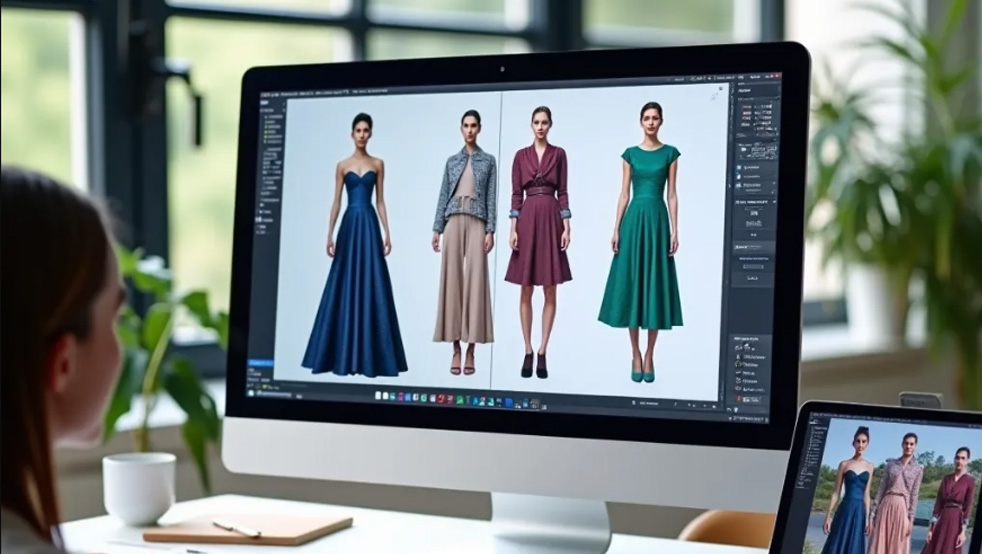
The fashion industry is experiencing a groundbreaking transformation with the rise of AI Fashion Designer Online platforms. These digital tools are reshaping how fashion is created, offering unprecedented opportunities for innovation, personalization, and sustainability. By integrating artificial intelligence into the design process, these platforms are democratizing fashion, making it accessible to a broader audience while enhancing creativity and efficiency. As we delve into this new era, it's essential to understand how AI is revolutionizing the fashion landscape and what it means for designers, brands, and consumers alike.
AI Fashion Designer Online platforms are at the forefront of this revolution, offering a new paradigm in digital fashion creation. These platforms leverage advanced algorithms and machine learning to assist designers in crafting innovative and personalized fashion pieces. By analyzing vast amounts of data, including current fashion trends and consumer preferences, AI can generate design suggestions that align with market demands. This capability is particularly valuable in an industry where staying ahead of trends is crucial for success.
For instance, a study by McKinsey (2023) found that 70% of fashion brands are now using AI tools to enhance their design processes, leading to a 30% reduction in time-to-market for new collections. This shift not only accelerates the design cycle but also allows brands to respond more swiftly to changing consumer preferences.
Traditionally, fashion design has been an exclusive domain, accessible primarily to those with formal training and resources. However, AI tools are breaking down these barriers, allowing aspiring designers and small businesses to access sophisticated design capabilities without extensive expertise. Many platforms come with user-friendly interfaces that foster creativity and innovation across a broader spectrum of users, making fashion design more inclusive.
For example, platforms like Canva and Fashmates offer free AI fashion design tools that enable users to create stunning designs without prior experience. According to a survey by Fashion Institute of Technology (2024), 65% of new designers reported that AI tools significantly boosted their confidence in creating professional-quality designs.
One of the standout features of AI fashion design tools is 3D visualization. This allows designers to see their creations in a realistic format, helping them make informed decisions about design elements and materials. Tools like CLO 3D and Browzwear enable designers to create photorealistic garment renders, which can reduce sampling costs by up to 40%, according to industry data from Gartner (2024).
AI can analyze user inputs and generate design suggestions, providing a collaborative partner in the creative process. This feature encourages designers to explore new ideas and push the boundaries of traditional fashion design. For instance, platforms like Designhill and Looklet utilize AI algorithms to suggest color palettes and fabric combinations based on current trends, enhancing the creative process.
Virtual fitting rooms enhance the user experience by allowing consumers to visualize how garments will look and fit before making a purchase. This innovative approach bridges the gap between digital and physical retail, enhancing customer satisfaction. A report by Statista (2023) indicated that 80% of consumers prefer shopping on platforms that offer virtual fitting options, as it reduces the likelihood of returns and increases purchase confidence.
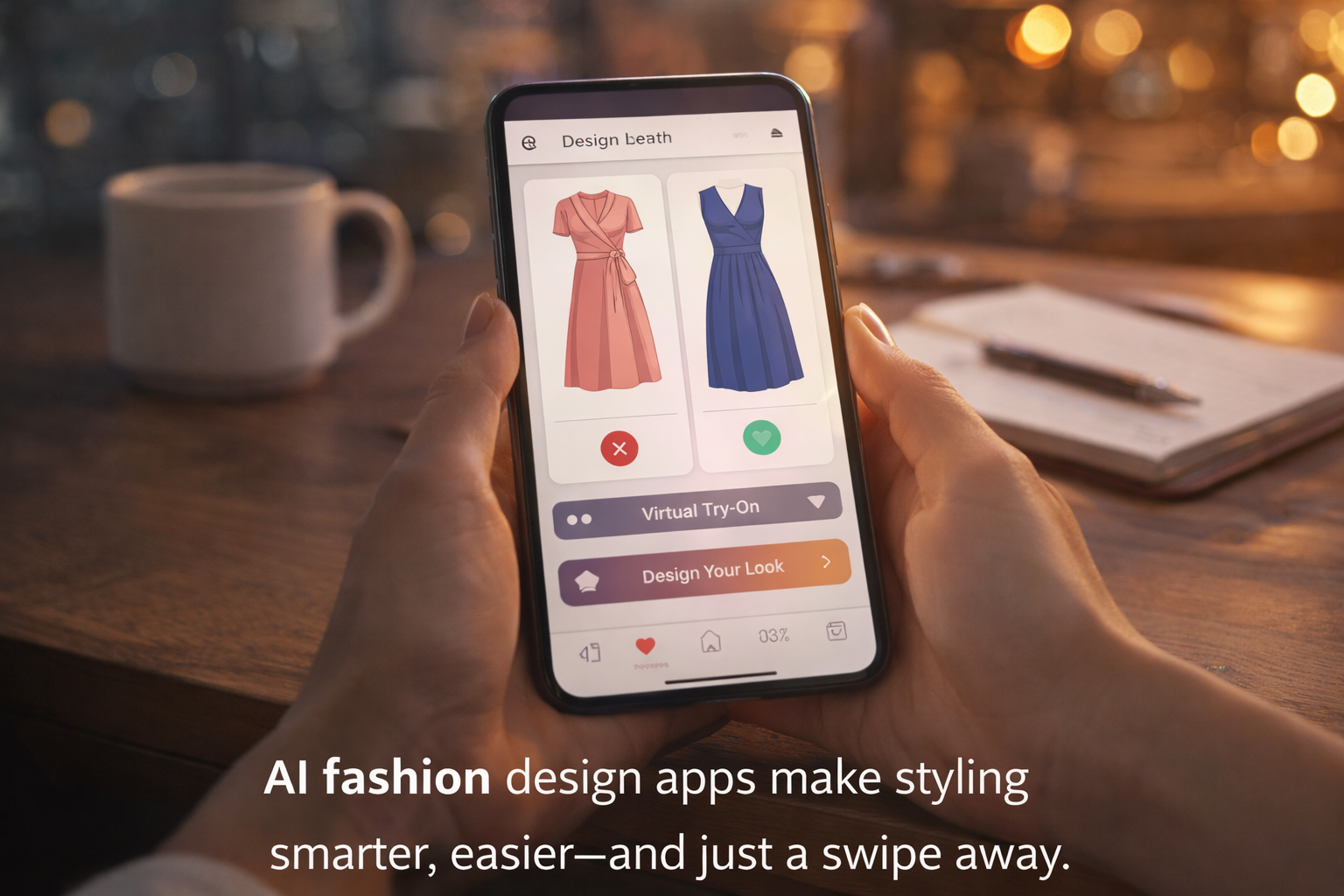
AI Fashion Designer Online platforms are not just tools; they are catalysts for innovation and change in the fashion industry. By combining the creative intuition of human designers with the analytical power of AI, these platforms are paving the way for a new era of fashion that is more inclusive, sustainable, and responsive to consumer needs. From reducing waste to enhancing personalization, the impact of AI in fashion is profound.
For example, brands like Adidas and Nike are using AI to optimize their supply chains, resulting in a 20% reduction in material waste. Additionally, AI-driven insights are helping brands tailor their offerings to specific consumer segments, leading to a 15% increase in sales for targeted collections.
While the potential of AI in fashion design is vast, there are limitations to consider. The technology is still evolving, and issues such as data privacy and the need for human creativity remain significant. However, as technology continues to advance, the future of AI in fashion design looks promising, with opportunities for further innovation and sustainability.
Experts predict that by 2025, AI will play a crucial role in predicting fashion trends, with 90% of brands expected to adopt AI-driven analytics to inform their design strategies. This shift will not only enhance creativity but also ensure that fashion remains relevant in a rapidly changing market.
The journey of AI Fashion Designer Online platforms is just beginning, and as technology evolves, so too will the possibilities for digital fashion creation. Embracing this technology not only enhances the design process but also fosters a culture of innovation and sustainability. As designers, brands, and consumers continue to explore the digital landscape, the future of fashion looks brighter than ever, promising a harmonious blend of technology and creativity that will redefine the industry for years to come.
Q: What is an AI fashion designer online?
A: An AI fashion designer online is a digital platform that uses artificial intelligence to assist users in creating fashion designs, offering features like 3D visualization, AI-generated suggestions, and virtual fitting rooms.
Q: Are there free AI fashion design tools available?
A: Yes, many platforms offer free AI fashion design tools, such as Canva and Fashmates, which allow users to create designs without prior experience.
Q: How does AI impact sustainability in fashion?
A: AI helps reduce waste by optimizing supply chains and predicting consumer trends, leading to more efficient production processes and less material waste.
Related reads: AI Fashion Designer
101 People Reading our Newsletter Right Now!
