.png)
English
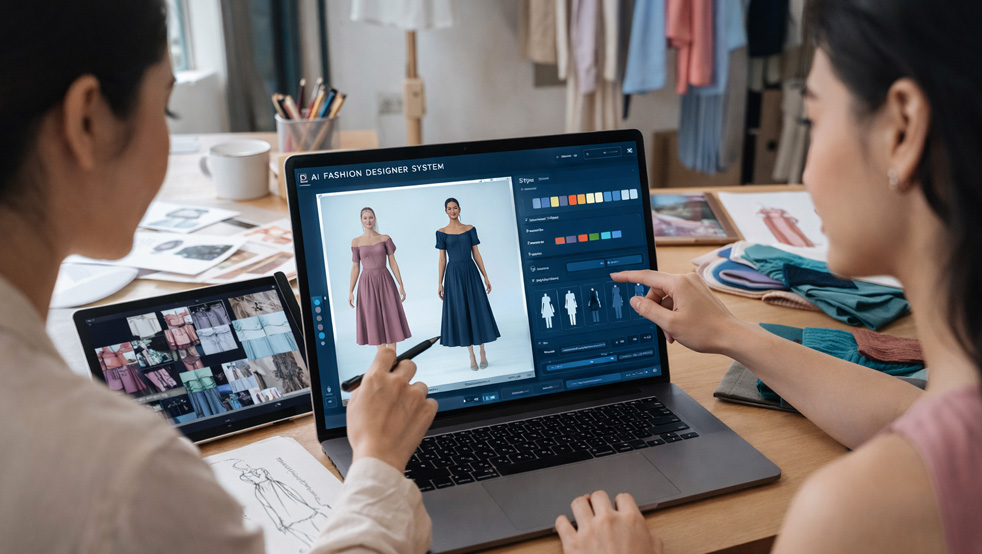
The fashion industry is undergoing a digital transformation, and at the heart of this change is the AI Fashion Designer System. By combining artificial intelligence, data analytics, and advanced design tools, these systems are not just automating repetitive tasks—they are empowering designers to create, innovate, and respond to trends faster than ever before. Whether you’re a major brand, an independent label, or a creative hobbyist, AI-driven workflows can help you develop collections more efficiently, reduce waste, and align closely with real customer demand. In this article, we’ll explore what an AI Fashion Designer System is, the technologies behind it, how it integrates with existing design software, and why it’s crucial for sustainability, personalization, and democratization in fashion.
An AI Fashion Designer System is a digital platform that leverages machine learning to support the entire fashion design lifecycle—from concept and trend research to sketch generation, fabric selection, and line planning. These systems combine computer vision, natural language processing, and recommendation engines to understand styles, silhouettes, colors, and consumer preferences. For example, platforms like Adobe’s AI-powered design tools can ingest catwalk images, social media posts, and sales data to suggest new collection directions, generate mood boards, or propose design variants. Some systems connect directly to Product Lifecycle Management (PLM) and 3D design tools, enabling ideas to move quickly from concept to sample.
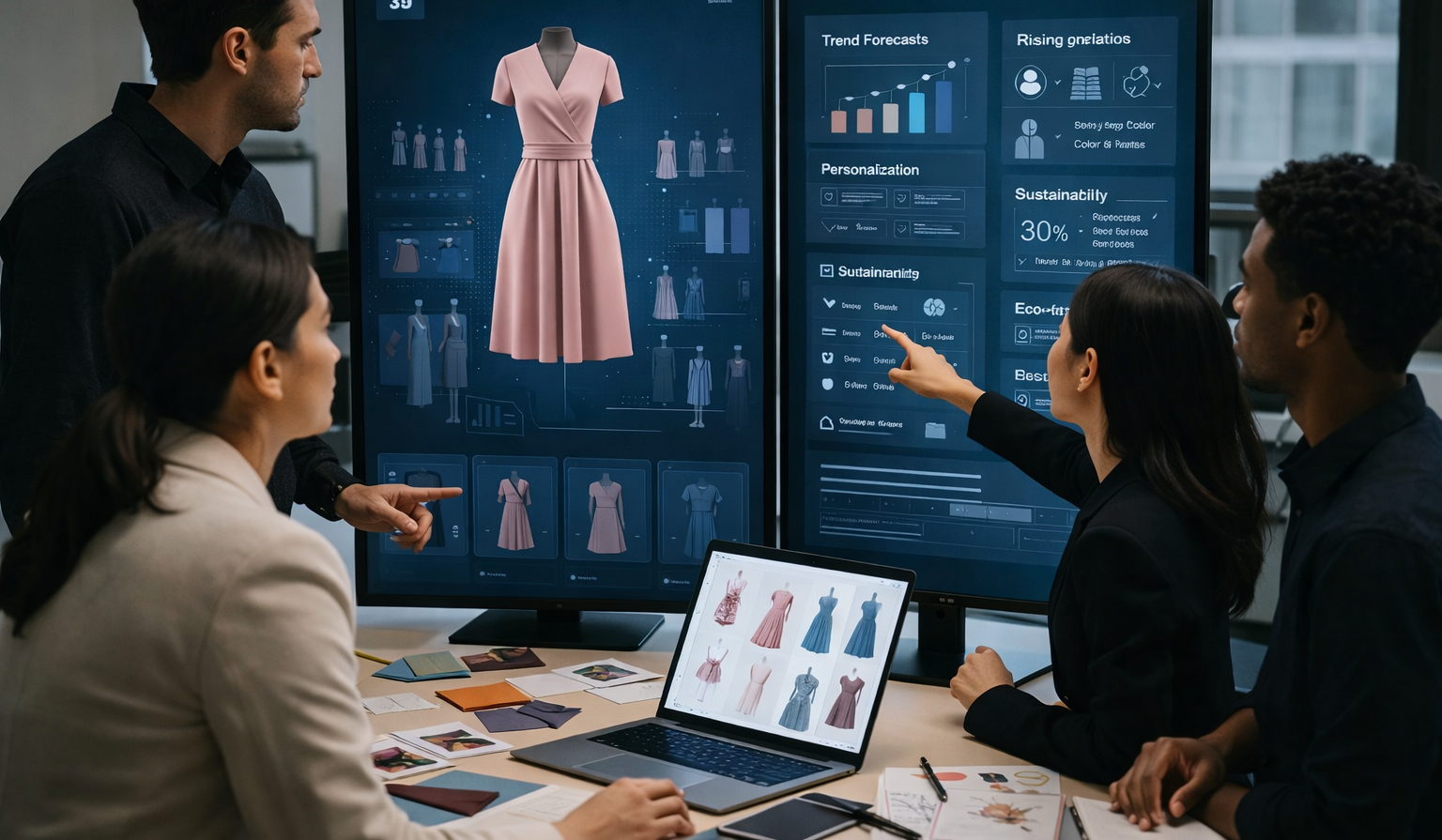
Modern AI Fashion Designer Systems rely on several core technologies:
These capabilities help designers move from a “blank page” to informed options faster, while still leaving final decisions to human judgment. For a deeper dive into AI and machine learning in fashion, check out our AI Fashion Designer resources.
For maximum impact, an AI Fashion Designer System must integrate smoothly with existing design software stacks. Many tools connect directly to 2D CAD pattern-making tools, 3D garment simulation platforms like CLO or Browzwear, and PLM or ERP systems. Designers can import AI-generated sketches or pattern suggestions into their usual workflow, adjust details, and visualize drape and fit using 3D avatars. Some systems plug into digital asset libraries so approved trims, fabrics, and brand colors are applied automatically.
For example, Adobe Creative Cloud offers AI-powered features that streamline ideation and production, while 3D design platforms enable virtual try-ons and rapid prototyping.
One of the strongest advantages of an AI Fashion Designer System is its ability to predict trends and support sustainability. By analyzing social media signals, search data, sell-through rates, and macro reports, AI can forecast demand for colors, categories, and price points more accurately than intuition alone. According to the Ellen MacArthur Foundation, the fashion industry produces over 92 million tons of waste annually—AI-driven forecasting can help reduce overproduction and markdowns by enabling more precise buying and assortment planning.
On the sustainability side, AI can simulate demand, optimize material yields, and highlight low-impact fabrics or suppliers. Brands can use these insights to design smaller, smarter collections that still meet demand but generate less waste and fewer returns. For more on sustainable fashion, see our articles on AI and sustainability in fashion.
AI Fashion Designer Systems also enable personalized fashion at scale. Using customer data—such as browsing history, body measurements, and style profiles—AI can suggest product variations, capsule wardrobes, or even bespoke designs. Some platforms allow end consumers to co-create items with AI guidance, then hand off the result to a human design or production team. For example, AI-powered apps can recommend outfits tailored to individual preferences, while web-based tools lower barriers for emerging designers who lack big budgets or formal training.
Learn more about mass customization and the creator economy in this section.
Despite its promise, the AI Fashion Designer System raises important challenges. Bias in training data can reinforce narrow beauty standards or exclude certain body types and cultures. Designers and brands must also consider intellectual property: if AI is trained on existing collections, who owns the resulting designs? Transparency around data sources and clear governance policies are essential. There are also workforce concerns, with fears that automation might displace certain roles, even if it creates new ones. Responsible deployment means using AI to augment creative work, not to erase human contribution.
Adoption of AI Fashion Designer Systems is growing rapidly. Large global brands and fast-fashion players are already investing heavily in predictive analytics and automated design assistance, while luxury houses experiment more cautiously with AI-generated imagery and digital collections. According to a 2024 report by Fashion Tech Insights, over 60% of top apparel brands are piloting or deploying AI-driven design tools.
For more on digital fashion and virtual try-on, explore our digital fashion resources.
The AI Fashion Designer System is becoming a central component of modern fashion workflows, connecting data-driven insight with human creativity. By boosting trend prediction, enabling smarter sampling and production, and supporting personalization, these systems can help the industry become more responsive and sustainable. At the same time, real risks around bias, IP, and labor make governance and transparency critical. As adoption spreads from early innovators to the broader market, the most successful brands will be those that treat AI as a creative partner—embedding it into tools and processes while keeping human taste, culture, and storytelling at the core of fashion design.
101 People Reading our Newsletter Right Now!
