
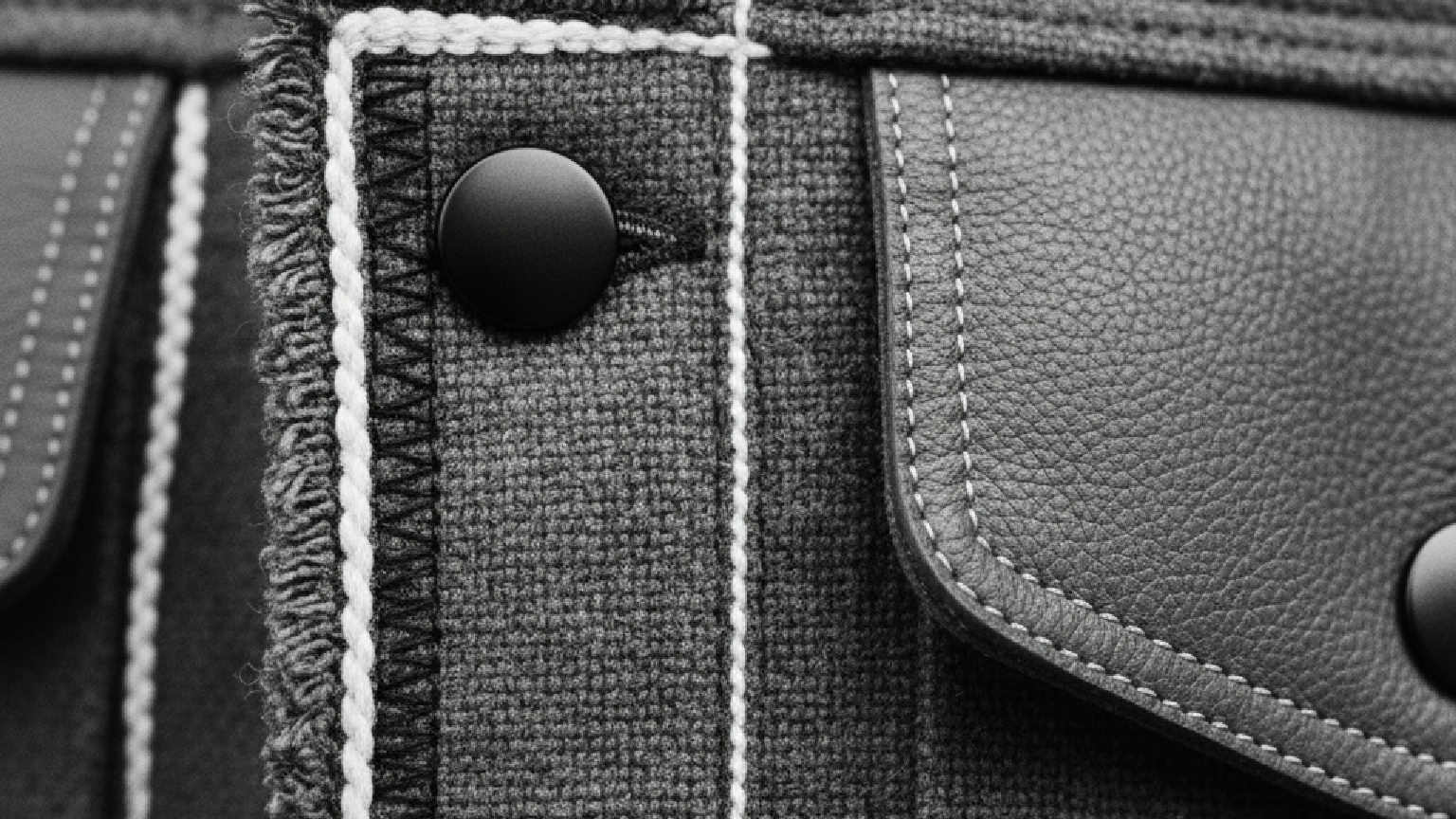
Fewer than 1% of the AI-generated fashion images currently flooding social media are manufacturable without a complete, ground-up manual redesign. This statistic is not a critique of creative exploration. It is a hard operational reality for brands attempting to connect the AI hype to their P&L. The explosion of visually stunning concepts from text-to-image models has created a powerful illusion of progress. It feels like design work is happening at the speed of light. Yet for product and design teams on the ground, these images represent step zero of a long and expensive journey. They are digital ghosts: beautiful, but lacking the body of data required to become a physical product.
The popular narrative positions an AI fashion image generator as a new kind of designer. This is a fundamental misunderstanding of the apparel production lifecycle. A standalone image generator excels at producing one thing: a raster image, a flat collection of pixels. It can show a jacket made of "holographic liquid," but it cannot specify the material, the supplier, or the treatment process required. It can depict a complex draped gown, but it provides no information on the pattern pieces, seam placements, or grain lines needed to construct it. The output is an answer to the question, "What could this look like?" It completely ignores the essential questions that follow: "How do we make it?" and "What will it cost?"
For a fashion brand, this gap is not a minor detail. It is the entire business. Relying on image generators for design creates a massive bottleneck downstream. A design team gets excited about a concept, only to hand it to a technical designer who must essentially start from scratch. They are forced to interpret a stylized, often physically impossible rendering and translate it into a technical flat, a bill of materials, and construction notes. This process of reverse engineering a pretty picture is often more time consuming and error prone than traditional sketching. The "speed" gained in the initial concept phase is lost tenfold in the technical development phase. The AI image becomes a high-fidelity mood board, not a product blueprint. This is the core problem: the tools that generate the most buzz are solving the smallest, least costly part of the product creation workflow.
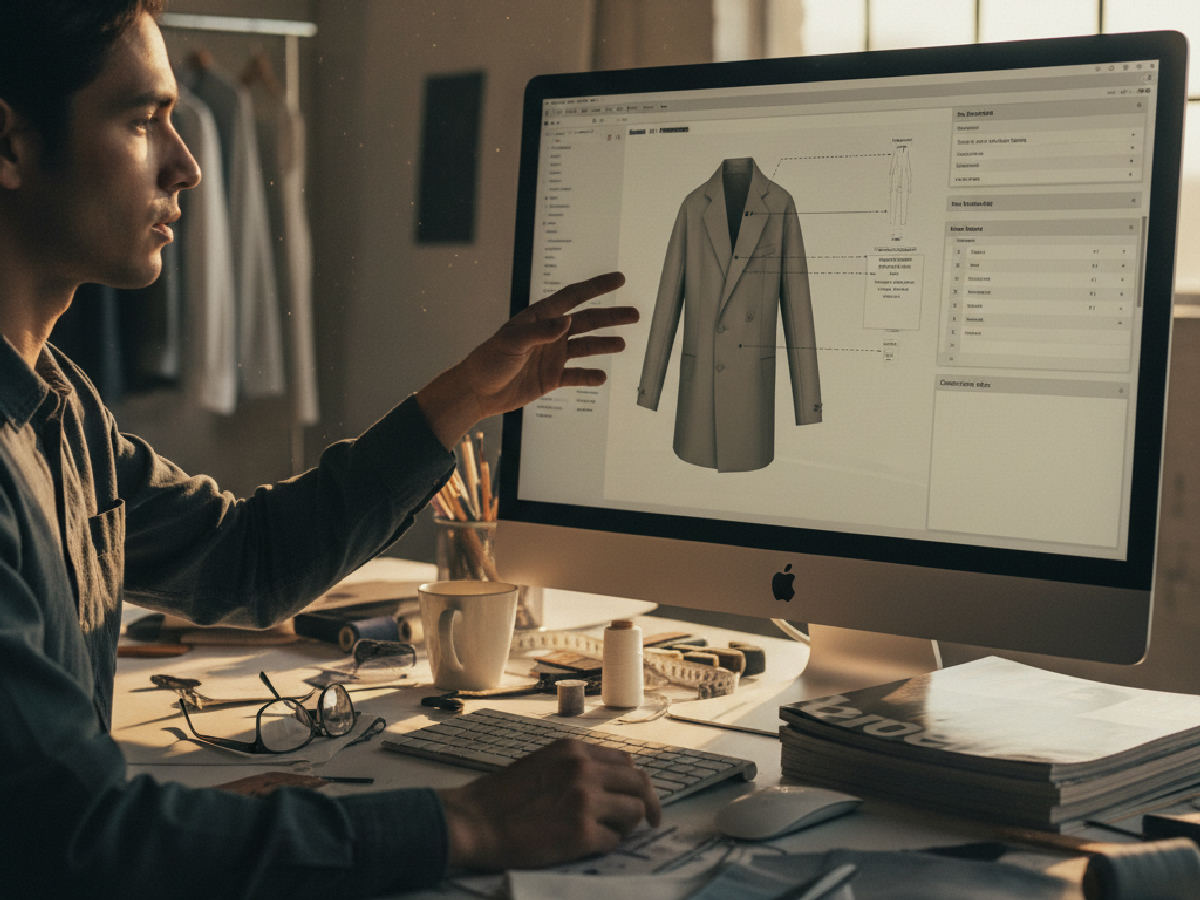
The conversation about AI in fashion has been dominated by aesthetics. The metrics for success are often virality, visual appeal, and the novelty of the output. This framing is dangerous for brands that need to ship physical products. It creates a false equivalency between content creation and product development. When a founder or head of design evaluates tools based on their ability to produce captivating images, they are optimizing for a marketing function, not an operational one.
This leads to a predictable cycle of disillusionment. A brand invests in an AI image subscription. The design team generates hundreds of concepts. They present the best ones to merchandising and product development teams. The immediate response is a list of questions the AI cannot answer. What is the fabric weight? Is that a welt pocket or a patch pocket? How does that sleeve attach to the bodice? The design team has no answers, because the AI never knew them. The process grinds to a halt. The initial excitement is replaced by the frustrating reality of manual data entry and guesswork, reintroducing the very inefficiencies AI was supposed to solve.
The true cost is the operational drag. Every hour a technical designer spends interpreting a generated image is an hour not spent refining fit, sourcing better materials, or negotiating with factories. Every sample round required because the initial tech pack was based on a vague image is a direct hit to the bottom line and a delay in time to market. The popular framing of AI as an "idea machine" distracts from the real opportunity: building an end-to-end system that connects creative intent directly to production-ready specifications.
Designer or merchandiser? Replace the spreadsheet handoff.
The F* Word generates moodboards, factory-readable tech packs and sampling notes in one workflow, so creative, production and merchandising stay aligned. Free to try.
Feature Comparison: Standalone Image Generators vs. Integrated Workflow Platforms

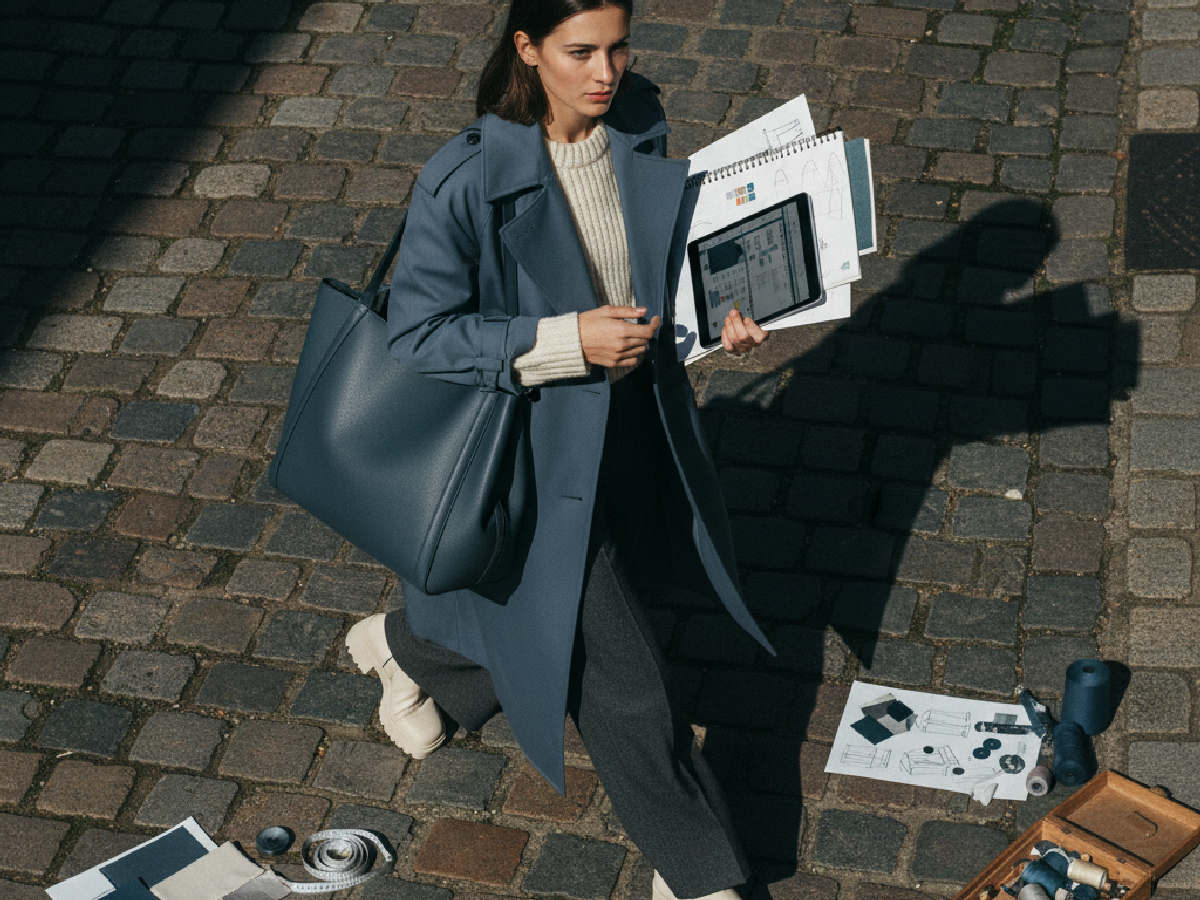
The term "production-ready" has a precise meaning in the apparel industry. It is the point at which a design package is complete, clear, and unambiguous enough for a factory to produce an accurate first sample. An AI-generated image contains almost none of the required components. To bridge the gap from a JPG to a tech pack, a system must be able to generate and manage structured, technical data. This includes several non-negotiable elements.
First, Technical Flats. These are the blueprints of a garment. They are 2D line drawings created in a vector format like Adobe Illustrator. They show the garment from the front and back, and sometimes the side or inside. They are stripped of styling, illustrating only the essential construction details: seam types, stitch-per-inch counts, pocket placement, and hardware details. An AI model trained for workflow, not just images, understands the relationship between a 3D concept and its 2D representation and can generate these editable flats automatically.
Second, a Bill of Materials, or BOM. This is a detailed list of every single component required to build one unit of the garment. This goes far beyond "cotton fabric." A proper BOM specifies the primary fabric by supplier SKU, weight (GSM), and color code (e.g., Pantone 19-4052 Classic Blue). It then lists every secondary fabric, lining, piece of hardware like zippers and buttons, thread type and color, and even packaging materials. A workflow platform connects to material libraries and supplier databases to make this data accessible and accurate during the design phase.
Third, Grading and Measurement Specifications. A design is not for one person; it is for a range of customers. A grade rule dictates how the pattern pieces change in dimension between sizes like Small, Medium, and Large. The tech pack must include a "points of measure" spec sheet showing the critical measurements, like chest width and body length, for each size in the run. This data ensures a consistent fit across the entire size range. Generative images exist in a world without size or scale.
Finally, details matter. This includes Colorway Specifications with official color codes, artwork for prints and graphics in repeatable vector formats, and clear Construction Callouts that explain complex steps. This is the core of what a true AI tech pack creator actually does. It translates a creative vision into a granular, machine-readable, and human-legible set of instructions. A pretty picture cannot tell a factory to use a French seam on the sides and a 5-thread overlock on the armhole.
As you evaluate AI tools for your brand, you must shift your focus from the image to the workflow. The right questions will quickly separate the toys from the tools. When speaking with vendors, use this framework to cut through the marketing copy and assess the tool's real-world utility.
Answering these questions will make it clear whether a tool generates pretty pictures or profitable products.
Adopting a workflow-centric approach to AI does not require you to abandon your current processes overnight. It requires a strategic, phased implementation focused on solving your biggest bottlenecks first. The goal is to build an integrated system where creative decisions automatically generate the technical data needed for production.
First, audit your current product development lifecycle. Map every step from the initial brief to the tech pack handoff. Identify the most time-consuming, repetitive, and error-prone tasks. Is it manually sketching flats for every new design? Is it the endless data entry of BOMs into your PLM? This is your starting point. The first AI workflow you implement should target this specific pain point to deliver maximum immediate value.
Second, run a pilot project on a single product capsule. Choose a small collection of 5 to 10 styles and commit to using an integrated AI workflow platform for them from start to finish. This focused approach allows your team to learn the new system in a controlled environment. It proves the value of the platform with a tangible outcome: a set of production-ready tech packs created in a fraction of the usual time. A pilot program is the fastest way to launch a fashion collection with AI without causing massive organizational disruption.
Third, measure everything. Before the pilot, benchmark your existing process. How many hours does it take to create a tech pack? How many sample rounds do you average per style? After the pilot, compare the results. Look at the reduction in man-hours for technical design, the decrease in time to a "ready for factory" tech pack, and the improvement in first sample accuracy. This hard data provides the business case for scaling the solution across other product categories and teams.
Stop chasing pretty images and start building a smarter production engine. The tools are here. It is time to put them to work on the problems that actually matter. Start free at thefword.ai or book a demo.
An AI fashion image generator is judged on visual accuracy. Does the rendered jacket look like a jacket. Does the drape read as silk. Does the model look like the brand's muse. A factory is judged on production readiness. Can the pattern cut clean. Will the BOM cost inside margin. Will the sample arrive within tolerance. The two finish lines are not on the same track, and tools that win at one rarely win at the other.

Brands that need both finish lines run image generators upstream of a workflow platform, not in place of one. The F* Word generates the on-brand moodboard and the factory-ready tech pack from the same brief, so the visual story and the production spec stay aligned. For the pillar view, see AI fashion workflow software and the sibling on pattern intelligence vs workflow software.
Yes, they are excellent for initial mood boarding and concept exploration. The key is to see this as the very first input into a larger system. A professional workflow platform integrates this ideation step, allowing you to generate concepts that are then immediately translated into editable designs with technical foundations, not dead-end images.
You can, but this defeats the purpose and reintroduces a costly, slow, and manual handoff. This process of "interpreting" a vague image is where errors and budget overruns occur. An integrated AI workflow augments your technical designer, freeing them from repetitive drafting and data entry to focus on higher-value tasks like fit, quality, and factory communication.
Smaller and emerging brands often gain the most from workflow automation. An integrated platform democratizes the tools of large corporations, reducing the dependency on a large, specialized headcount. It minimizes expensive sampling errors and dramatically speeds up time to market, which are critical competitive advantages for a growing brand.
This is a critical differentiator. Unlike generic image models, a true workflow platform is trained on your brand's proprietary data. This includes your archive of past designs, established fit blocks, preferred material libraries, and specific aesthetic rules. The system learns your brand language, ensuring that AI-assisted outputs are consistently on-brand and not random.
Related: AI Fashion Design hub · AI vs traditional fashion design · Multi-agent AI systems for fashion
Related: Ensuring Fabric Consistency: Key to Successful Prototyping with AI Fab
Get The F* Word workflow insights in your inbox.