
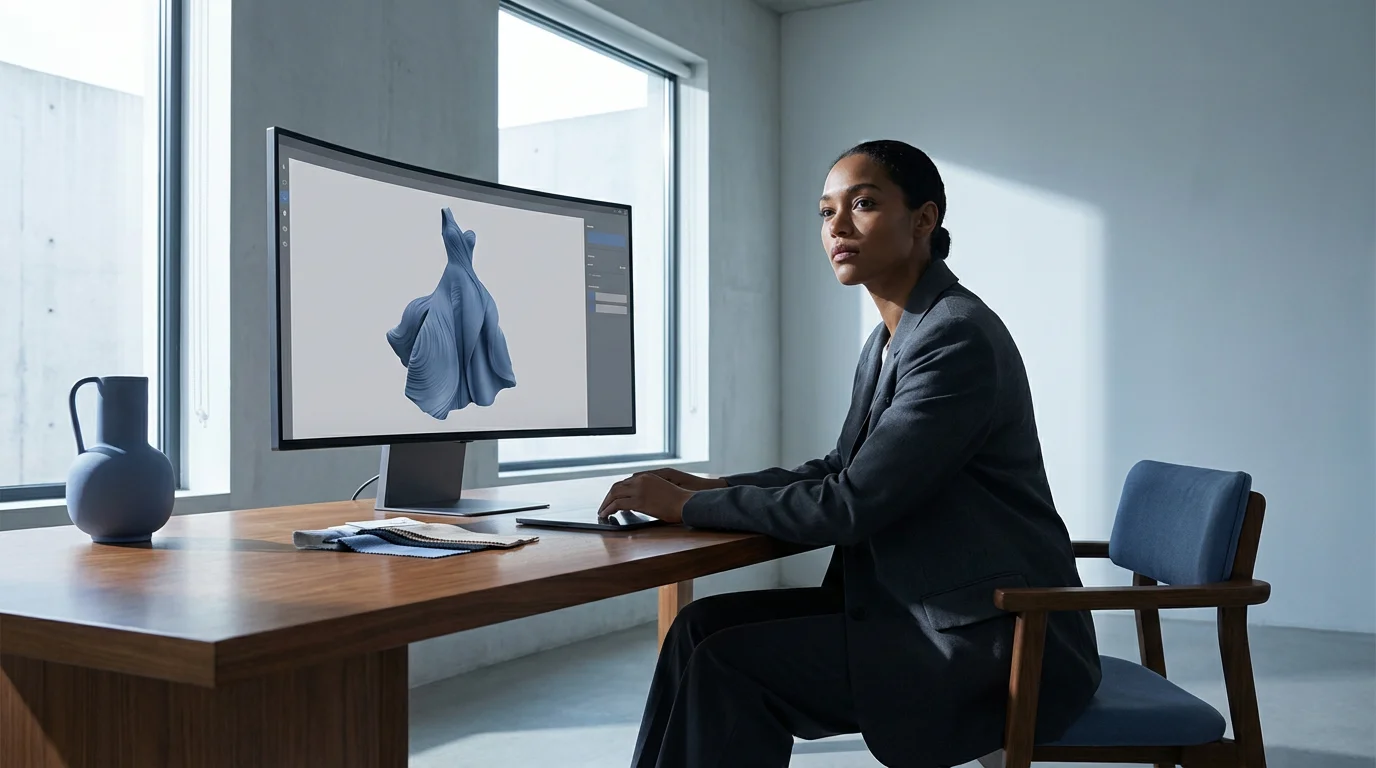
AI fashion photoshoots create the most value when launch teams can generate PDP visuals, campaign variants, social assets, and wholesale imagery from approved product data before samples arrive.
This post explains how the technology transforms a flat garment image into hundreds of on-model photos for different markets. We will also detail specific use cases for merchandising teams, from testing product combinations to generating entire collection lookbooks for pre-production feedback and satisfying high SKU volume asset demands ahead of launch.
A single seasonal shoot can require studio bookings, model availability, sample coordination, photographers, stylists, art direction, set production, retouching, and approval rounds across multiple teams. These moving parts often stretch across weeks, creating delays that ripple into ecommerce refreshes, campaign calendars, and collection launches.
When shoots slip, brands miss merchandising windows. PDP pages stay outdated. Paid campaigns launch late. New collections lose momentum before demand peaks.
This pressure increases for brands managing high SKU volume, frequent drops, multiple categories, and market-specific assortments. A single launch may need hundreds of assets across ecommerce, paid media, email, wholesale decks, retail screens, and social placements.
Traditional photoshoots were built for hero moments. Many modern brands need continuous launch asset production. AI fashion photoshoots fit that gap.
Merchandiser? Ship a launch where the deck and the factory match.
The F* Word connects moodboards, tech packs and merchandising prep, so your launch story and the factory order tell the same story. Free to try.
AI photoshoots belong in Launch Assets, not as a standalone novelty category.
They create the most value after product decisions are made, line plans are approved, and launch dates are fixed. At that point, the business needs scalable assets tied to revenue, not experimentation.
Typical workflow:
Trend intake → Range plan → Design development → Tech packs → Sampling → Buy signoff → Launch asset creation → Channel deployment
When brands place AI here, they remove bottlenecks close to go-live.
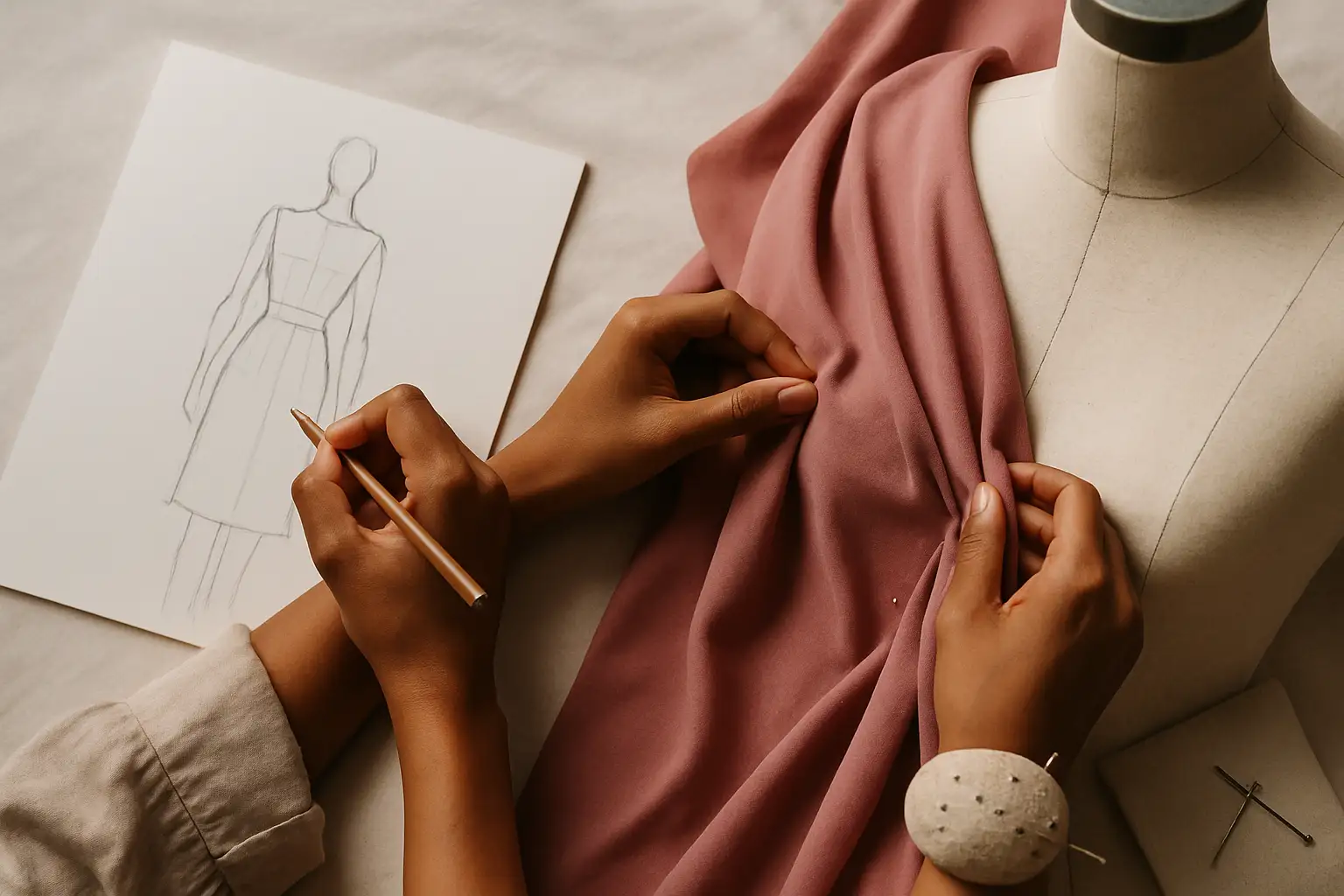
Traditional shoots carry high fixed costs and fragile timelines.
Common cost centers include:
For a mid-sized brand, a two-day commercial shoot can easily move into five figures once editing and talent are included. But cost is only half the issue.
Time drag hurts more.
If asset delivery takes 2 to 4 weeks, product launches compress their full-price selling window. Weekly drops become harder to sustain. Teams end up launching with incomplete imagery just to hit dates.
A womenswear brand prepares a 60-SKU capsule collection. It needs PDP imagery, email banners, paid social assets, and wholesale visuals before launch.
Samples arrive late from suppliers. One hero style fails fit approval. The booked studio date cannot move.
Marketing delays campaign deployment by one week. Ecommerce launches with incomplete imagery. Merchandising prioritizes only top sellers for upload.
The collection technically launches on time, but without full visual support, early conversion potential drops.
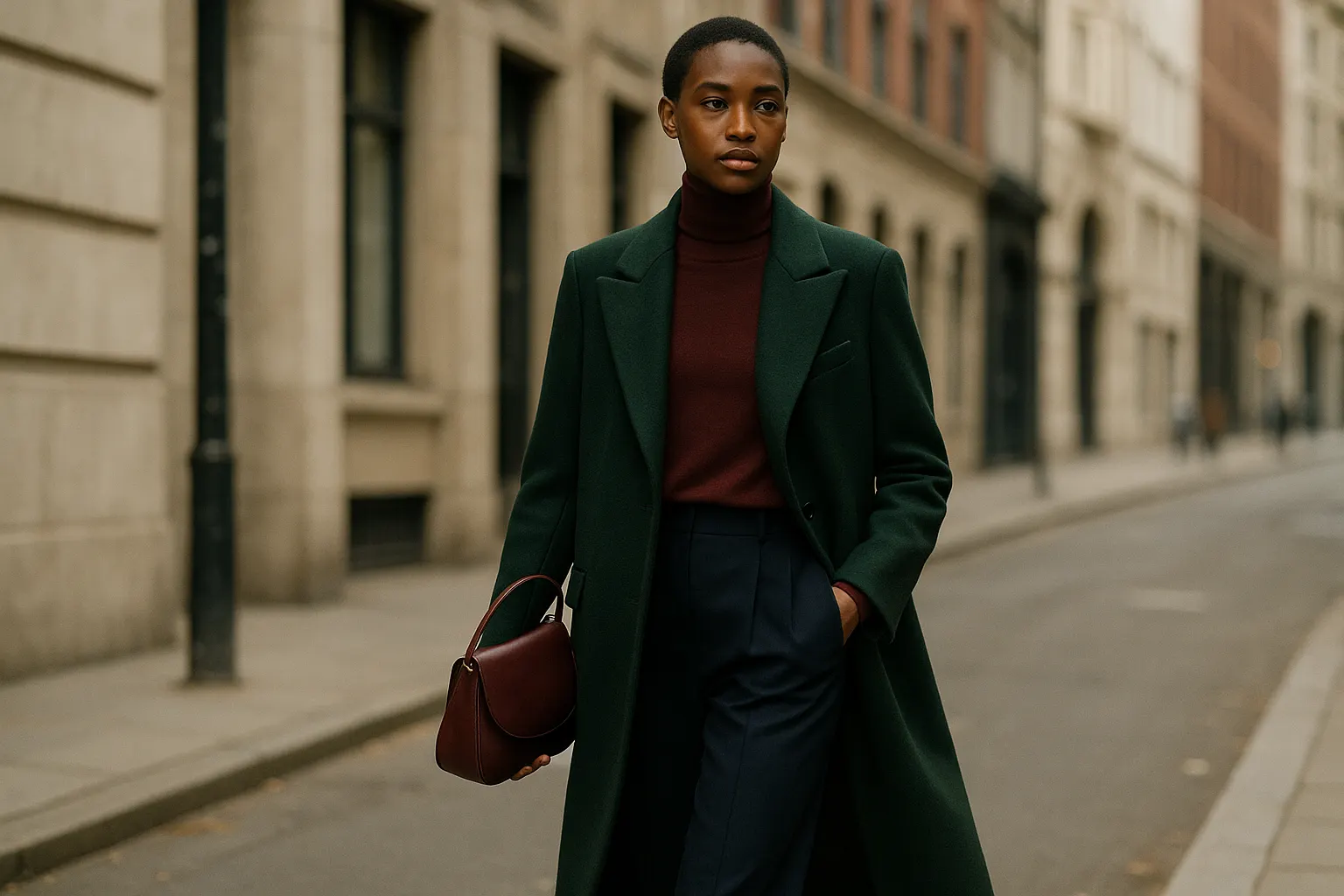
Brands often launch with weak or outdated PDP imagery, then wait for reshoots. AI helps create alternate views, styled updates, and seasonal refreshes faster.
One approved campaign direction may need dozens of channel-specific versions. AI speeds that adaptation.
Different regions need different casting, styling context, weather cues, and language overlays. AI supports faster regional rollout.
Wholesale teams often need polished visuals before final campaign assets are complete.
Coming soon pages, teaser emails, waitlists, and paid acquisition campaigns often need visuals before inventory lands.
AI is useful, but it should not be confused with product truth.
You still need live checks for trims, stitching, labeling, and finish quality.
AI can simulate shape. It cannot fully validate real fit across movement and body types.
Handfeel, drape, sheen, stretch, opacity, and recovery still require physical review.
Factories need accurate tech packs, specs, grading, BOMs, and construction notes. Marketing imagery is not production documentation.
The Launch Velocity Loop helps brands prioritize content where it drives revenue.
First, rank SKUs by commercial importance. Second, generate assets for priority products first. Third, launch and monitor conversion. Fourth, refresh weak-performing visuals quickly.
Applied well, this reduces wasted production and keeps launch calendars moving. The tradeoff is stricter approvals and better asset governance. It fails when teams create volume without SKU prioritization.
A brand launches 120 SKUs and needs 6 images per SKU.
Inputs:
120 × 6 = 720 assets needed
Traditional output:
80 approved assets per day = 9 days
AI-assisted output:
220 approved assets per day = 3.3 days
Result: roughly 6 days faster to market, assuming approvals stay efficient.
| Workflow Area | Traditional Shoot Model | AI-Assisted Model |
|---|---|---|
| PDP refresh speed | Slow | Fast |
| Variant creation | Expensive | Efficient |
| Localization | Separate shoots | Rapid adaptation |
| Hero campaign depth | Strong | Moderate |
| Product truth | High with real sample | Requires controls |
| Asset volume handling | Limited | Strong |
The F* Word helps brands connect design workflow, production readiness, and launch asset speed in one system.
Use it to move from concept to tech pack, reduce sampling friction, organize approvals, and accelerate launch content tied to real commercial calendars.
Several AI tools can help with fashion product photography. Some focus on generating models, others on creating diverse backgrounds, and some offer full scene generation. The best tools for a brand depend on their specific needs. Key features to look for include the quality of model generation, variety of virtual environments, and ease of integrating existing product shots. Tools that allow for consistent model poses and lighting across a collection are particularly useful for merchandising teams. Evaluating output quality and user interface is important before committing to a platform.
AI enhances fashion ecommerce visuals by generating high-quality product images without traditional photoshoots. It can create diverse models of various ethnicities and body types, showcasing garments on individuals that reflect a broader customer base. AI also allows for quick changes in background, lighting, and styling, adapting visuals for different marketing campaigns or customer segments. This speeds up content creation, reduces costs, and provides a customizable visual experience for online shoppers, contributing to increased engagement and conversion rates.
Using AI for fashion photoshoots can significantly reduce costs. Traditional photoshoots involve expenses like models, photographers, stylists, studio rentals, travel, and post-production. AI eliminates or minimizes many of these. Brands can generate countless images with virtual models and backgrounds for a fraction of the cost, often paying a subscription or per-image fee. This allows for more visual content creation within budget, expanding marketing possibilities without incurring substantial overhead. The precise savings vary based on a brand's scale and existing photoshoot expenditures.
AI positively impacts model diversity in fashion advertising by allowing brands to generate models with varied body types, skin tones, ages, and ethnicities. This capability addresses the industry's historical lack of representation. Instead of hiring many different human models for a shoot, AI platforms can instantly create diverse virtual models to showcase clothing. This ensures that product visuals resonate with a wider audience, promoting inclusivity and helping customers visualize garments on someone who looks like them. It makes diverse representation more accessible and scalable for brands.
AI tools do not entirely replace professional fashion photographers. While AI can generate static product images and model shots efficiently, the artistic vision, creative direction, and nuanced storytelling provided by human photographers remain valuable. For high-concept campaigns, editorial work, or capturing genuine emotion, professional photographers offer an irreplaceable skill set. AI serves as a powerful supplementary tool, handling repetitive tasks and providing alternatives for basic product display. It allows photographers to focus on more complex, artistic endeavors, rather than routine catalog imagery.
Ethical considerations for AI in fashion imagery include data privacy, intellectual property, and perpetuating biases. AI models are trained on vast datasets, raising concerns about consent and appropriate use of source material. There are also questions regarding the ownership of AI-generated content. Additionally, if not carefully managed, AI can inadvertently reproduce or even amplify existing biases found in its training data, especially regarding appearance and representation. Brands must select AI tools from providers committed to ethical AI development and ensure their generated content promotes positive, accurate representation.
The F* Word Editorial · Fashion workflow team
Written by The F* Word editorial team. We build AI fashion workflow software grounded in thousands of industry-produced tech packs and proprietary garment records, so what reaches the factory is consistent, reviewed, and tied to design intent.
Related: ai ghost mannequin for merchandising
Get The F* Word workflow insights in your inbox.