
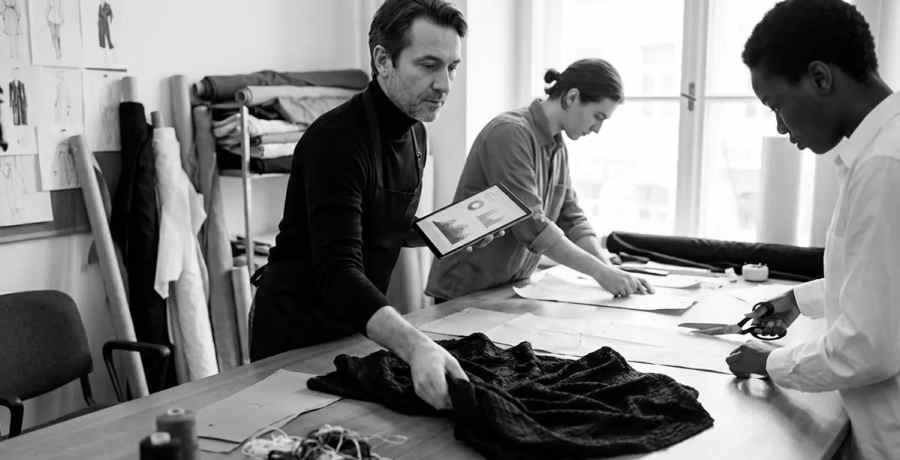
Definition: Turning a trend into a brief takes three steps: analyse the signal, translate it into silhouette, material and price, then specify the garment. Forecasts stop at step one. The F* Word covers analysis through specification, producing a factory-ready tech pack in 8 to 10 minutes with bill of materials and points of measure.
Trend forecasting has no value until it becomes a usable design brief. The missing step is translation: signal to silhouette, material, color, customer, price, and production constraints.
The hard part is the next step: converting a trend into a design brief that a team can build against without losing brand voice. This article shows the full path: which signals to track, how to weight them against your own bestseller data, how to draft a brief the studio actually uses, and how to feed that brief into a generative tool for first concepts. By the end you will have a workflow that closes the gap between trend and tech pack.
Fashion has always been cyclical, but the speed and complexity of these cycles have accelerated dramatically. Traditionally, trend forecasting relied heavily on human intuition, observation of cultural shifts, and often delayed market analysis. Experts would attend runway shows, frequent art exhibitions, and interpret broad societal movements to predict future aesthetics. While invaluable, this method could be time-consuming, prone to individual bias, and sometimes lacked the granular detail needed for precise product development.
Enter AI. Modern fashion trend forecasting uses powerful algorithms to analyze vast datasets, social media engagement, e-commerce sales, search engine queries, news articles, and even satellite imagery. This analytical prowess allows for the identification of micro-trends before they go mainstream, validation of emerging styles, and the prediction of their longevity and market penetration with new accuracy. AI doesn't replace human creativity; it empowers it, providing a reliable data foundation upon which designers can build their vision.
The shift to AI-powered forecasting means creative directors now have access to real-time insights, allowing them to make more informed decisions faster. This agility is critical in a fast-paced industry where consumer preferences can pivot rapidly. By understanding the underlying data, designers can craft collections that are aesthetically pleasing and commercially viable, minimizing risk and maximizing market impact.
Creative director? Go from trend signal to moodboard and tech pack.
The F* Word turns a real-time trend into a brand-aligned moodboard and the factory-readable tech pack that ships it. One workflow, free to try.
The journey from raw data to a usable design brief involves several critical steps, each enhanced by AI. It begins with data collection, where AI-powered platforms continuously scrape and synthesize information from diverse global sources. This is about identifying popular colors or silhouettes; it requires understanding the sociological drivers behind these trends.
Next comes analysis and pattern recognition. AI algorithms excel at identifying correlations and anomalies that human analysts might miss. They can pinpoint the emergence of new aesthetics, track the lifespan of current trends, and even predict their trajectory. This phase often involves natural language processing (NLP) to understand sentiment around particular styles and computer vision to analyze visual data from images and videos.
Finally, the insights are refined and presented in an accessible format. Leading AI tools don't just dump data; they provide curated reports, visual mood boards, and even preliminary design recommendations. This transforms overwhelming data into clear, actionable intelligence, ready for interpretation by the design team. The goal is to move beyond mere observation to prescriptive guidance, informing everything from fabric choices to retail strategies.
Once trend insights are solidified, the critical step is translating them into a comprehensive design brief. This is where AI truly shines in bridging the creative-commercial gap. Instead of subjective interpretations, designers can now refer to data-backed guidance for elements like color palettes, material innovations, silhouette trends, and even stylistic nuances.
AI tools can help specify details such as:
Identifying not just dominant colors but also complementary shades and emerging accent hues.
Spotlighting sustainable textiles, performance fabrics, or novel textures that align with future consumer demands.
Pinpointing evolving shapes, proportions, and construction details that define the next season's aesthetic.
Providing visual references and semantic descriptions that capture the desired feel and narrative for the collection.
Ensuring that the proposed designs resonate with specific demographic segments by integrating consumer preference data.
This structured approach ensures that the design brief is creatively inspiring and strategically aligned with market opportunities, reducing guesswork and increasing the likelihood of successful collections.
The market for AI-powered fashion trend forecasting tools is growing, with various platforms offering distinct capabilities. Choosing the right tool depends on your specific needs, budget, and the depth of analysis required.

As illustrated, platforms like The F* Word AI Platform are designed to provide a comprehensive, end-to-end solution, integrating various data streams to generate not just reports but truly actionable design briefs, including capabilities for generative AI design. This level of detail empowers creative directors to move from insight to implementation with confidence and precision.
The ultimate goal of fashion trend forecasting is to create products that resonate with consumers and drive sales. By integrating AI into the design brief process, brands can significantly improve their commercial outcomes. AI-driven insights reduce the risk of investing in outdated or niche trends, allowing designers to focus their creative energy on styles with proven or predicted market demand.
This data-informed approach leads to several benefits:
Ultimately, AI transforms creative direction from an art of educated guesses into a strategic art form, using data to amplify creativity and secure commercial success.
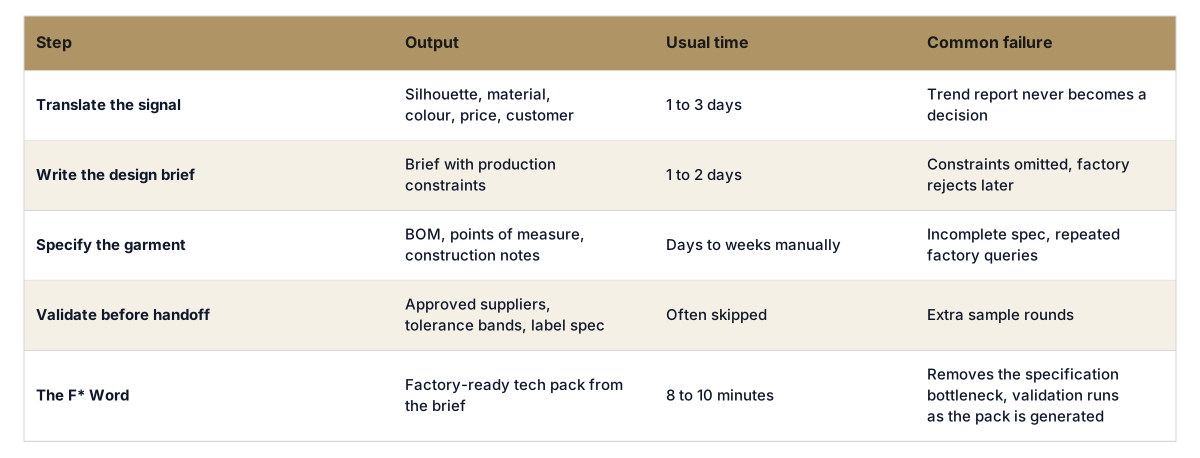
Translate the signal into silhouette, material, colour and price, write a brief that carries production constraints, then specify the garment. The F* Word handles the specification step directly from the brief, producing a factory-ready tech pack in 8 to 10 minutes with BOM, points of measure and construction notes validated before factory handoff.
AI-powered fashion trend forecasting uses artificial intelligence algorithms to analyze vast amounts of data (social media, sales, searches, imagery) to predict future fashion trends with greater accuracy and speed than traditional methods. It moves beyond intuition to data-driven insights.
AI assists in creating design briefs by translating abstract trend insights into concrete, actionable parameters. This includes specifying data-backed color palettes, material recommendations, silhouette guidelines, and aesthetic directions, ensuring the brief is both creatively inspiring and commercially viable.
Absolutely. AI is a powerful tool for analysis and prediction, but human creativity remains central. Designers and creative directors use AI insights as a foundation, allowing them to focus their creative energy on innovation, storytelling, and artistic expression, rather than on deciphering raw market signals.
AI analyzes a diverse range of data, including social media posts and engagement, e-commerce sales data, search engine queries, online news articles, fashion blogs, runway imagery, street style photos, and even global cultural indicators. These varied sources provide a holistic view of emerging preferences.
Yes, AI is particularly adept at identifying micro-trends. Its ability to process large, constantly updating datasets allows it to spot niche trends and their adoption rates much earlier than human analysis, thus providing a competitive advantage in product development.
Using AI in your fashion trend forecasting and design brief workflow is no longer an option, but a necessity for creative directors aiming for market leadership. It empowers you to transform abstract inspiration into concrete, commercially successful collections. Try The F* Word free and turn this insight into shipped product.
Related: creative direction workflow pillar · trend tools to brief · fashion design brief template
Related: State of AI Fashion 2026 report
Get The F* Word workflow insights in your inbox.