
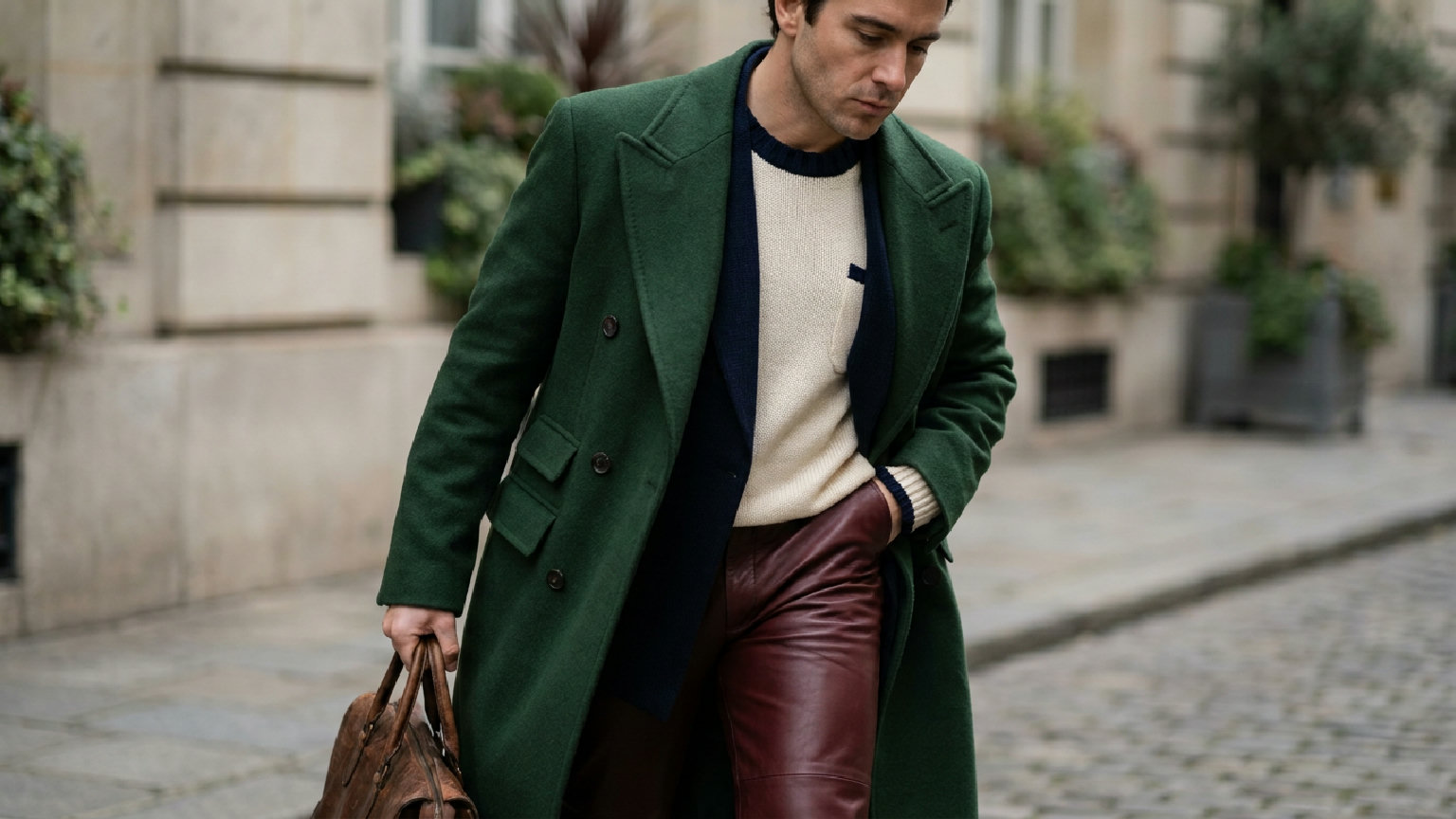
In fashion, the need for high-quality images is relentless. Designers and creative directors constantly face the challenge of producing striking visuals that adhere to brand standards while managing tight budgets and timelines. Traditional photoshoots, often costly and time-consuming, can hinder a brand's ability to quickly adapt to market trends. In 2026, AI model photoshoot alternatives are emerging as a solution, offering an efficient and scalable way to create realistic digital content.
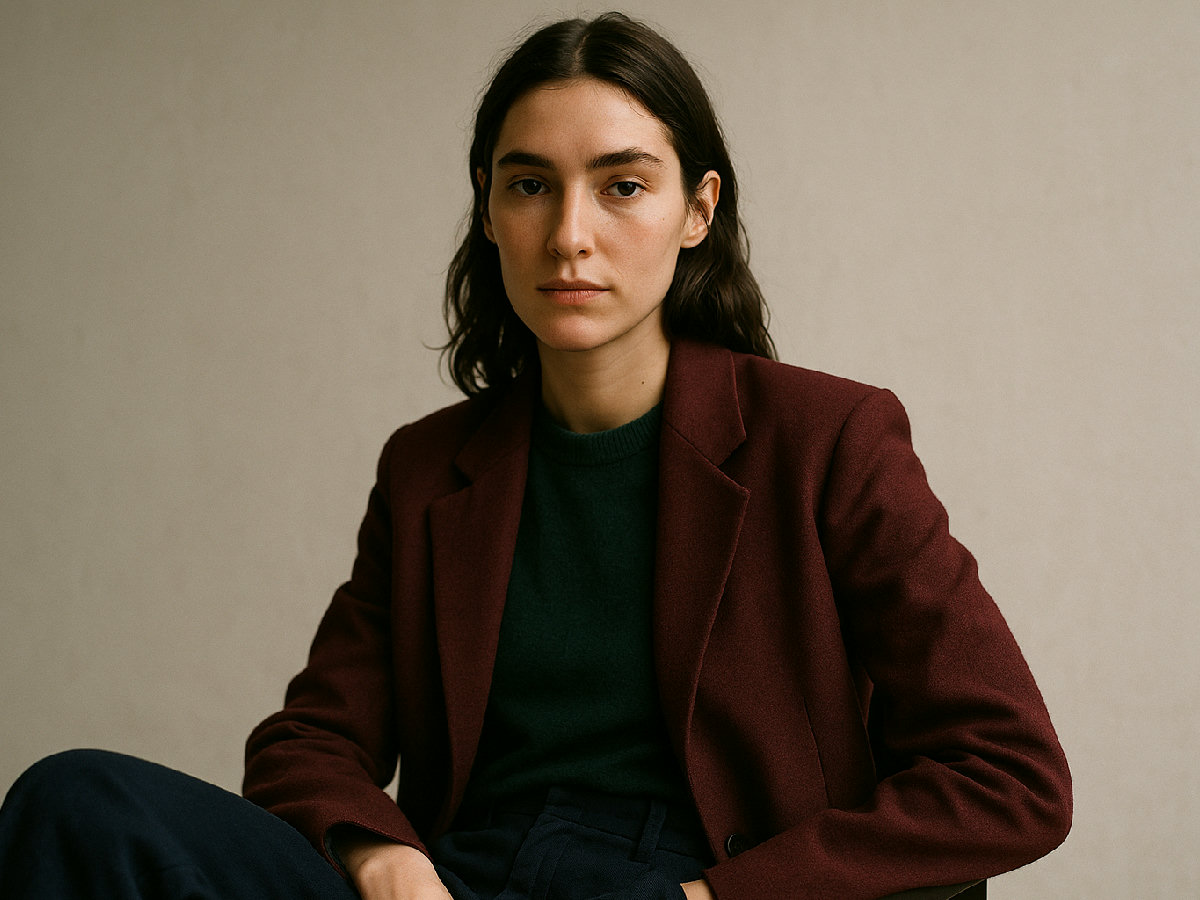
What this looks like in practice: For a fashion brand launching a new collection with 300 SKUs, the design team led by a creative director would traditionally coordinate multiple photoshoots, requiring model bookings, location scouting, and extensive post-production. With AI model photoshoot alternatives, this team can now generate photorealistic images directly from their digital design files, dramatically reducing logistical complexity and cost.
Merchandiser? Ship a launch where the deck and the factory match.
The F* Word connects moodboards, tech packs and merchandising prep, so your launch story and the factory order tell the same story. Free to try.
AI platforms such as DeepArt and Artbreeder have become essential tools for fashion brands aiming to streamline their image creation process. These platforms allow users to generate lifelike visuals without the need for physical models or photographers. By analyzing a designer's initial sketches, AI can produce a range of images with varying poses, lighting, and backgrounds, all aligned with the brand's aesthetic. This automation cuts costs by up to 90% compared to traditional methods and shortens the production timeline.
What this looks like in practice: A technical designer at a mid-size brand could upload a set of sketches into an AI platform. The system then processes these sketches, generating a complete set of marketing-ready images in different styles and settings, all within a matter of hours, instead of weeks.
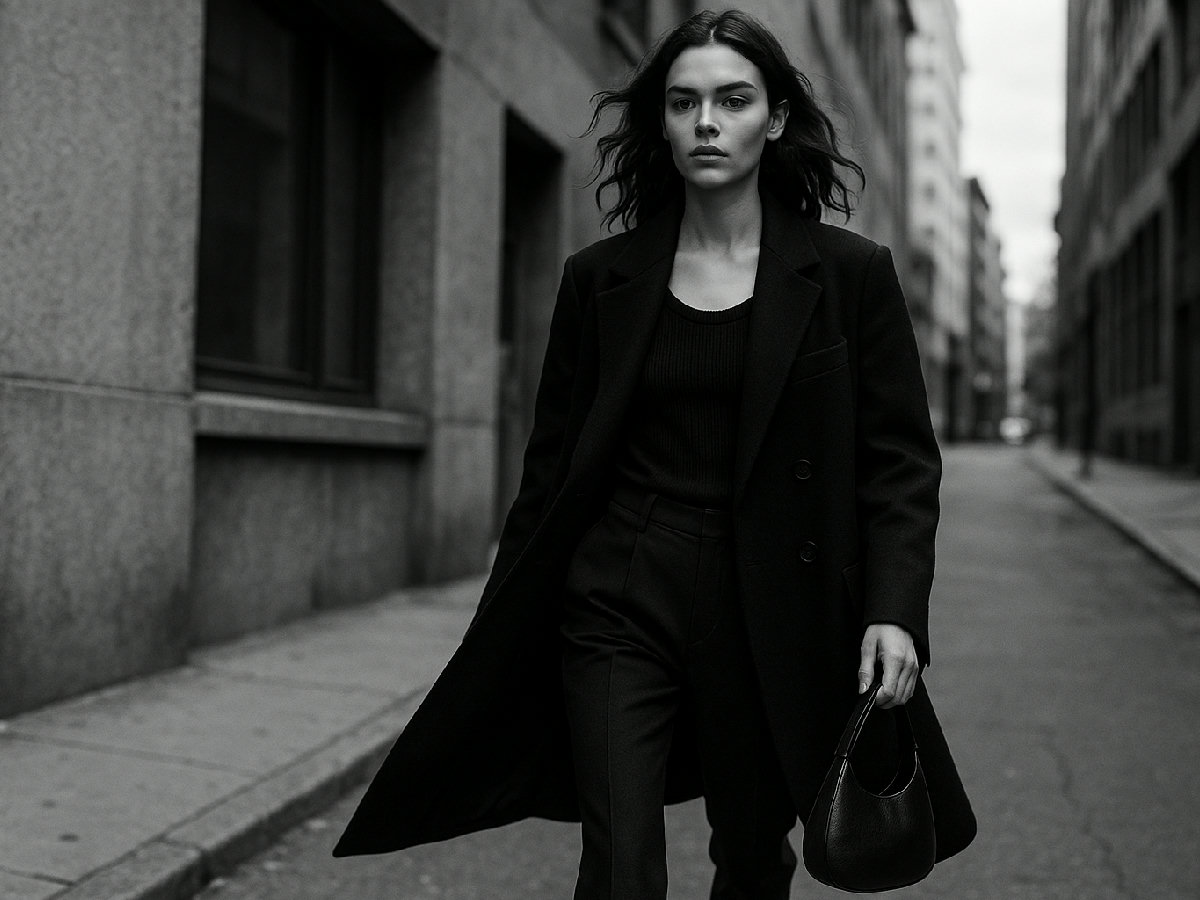

Common pitfalls: While AI-driven photoshoots offer vast efficiencies, brands often encounter challenges with consistency in skin tones and fabric textures across different outputs, which can require additional manual adjustments.
What this looks like in practice: Consider a digital marketing manager at a large retail company. They coordinate with the creative team to ensure AI-generated images align with campaign themes, continuously monitoring the outputs for any inconsistencies in color or fabric representation. This ensures brand consistency across all digital channels.
The Visual Flow Model is a structured approach for integrating AI-generated imagery into fashion workflows. It involves three key stages: Input, Processing, and Output. In the Input stage, designers provide sketches or digital models. During Processing, AI algorithms interpret these inputs, applying brand-specific guidelines to generate images. The Output stage delivers a suite of visuals ready for ecommerce or marketing use. This model ensures consistency while allowing for creative flexibility. However, the reliance on AI-generated visuals may occasionally result in less human-like expressions, which can be a limitation for some brands.
How to apply: Begin by digitizing your design assets and setting up key parameters in your AI platform, such as preferred lighting and poses. Regularly update the AI with feedback from marketing and sales teams to fine-tune outputs. Expected impacts include a 30% faster time-to-market and a 20% increase in visual content output. Be cautious of over-reliance, which might lead to a homogenized visual style.
What this looks like in practice: A product development manager at a global brand uses the Visual Flow Model to streamline the creation of digital assets. They work closely with technical designers to ensure the AI platform is calibrated to reflect the brand's aesthetic, regularly updating it with feedback from the marketing team to refine the final imagery.
Consider a brand producing 500 styles per season, with each traditional photoshoot costing $2,500. This sums up to $1,250,000 per season. By switching to AI model photoshoot alternatives, the cost per style can drop to $250, totaling $125,000 per season. The calculation shows a potential savings of $1,125,000, demonstrating the financial advantages of AI-driven methods.
Edge-case variation: For a smaller brand producing 200 styles, traditional costs might be $500,000 per season. With AI alternatives, costs reduce to $50,000, saving $450,000. This shows scalability in savings, regardless of brand size.
What this looks like in practice: A finance director at a fashion startup analyzes these cost savings, reallocating funds towards digital marketing initiatives to boost online sales, ensuring the brand remains competitive in a fast-moving market.
The F* Word offers a platform that integrates AI technology to streamline the creation of fashion imagery. Our solution reduces the time and cost associated with traditional photoshoots, enabling brands to access real-time trend data, optimize their tech packs, and minimize the number of sampling rounds. For brands looking to enhance their digital presence and reduce markdowns, our AI-driven tools provide the necessary use.
Explore our platform at The F* Word for faster tech packs and improved production workflows.
Successful integration of AI model photoshoot alternatives requires a cohesive approach across various departments. Creative directors, technical designers, and marketing teams must collaborate to establish parameters and guidelines for AI outputs. Ensuring that the tooling stack supports smooth data flow between design and marketing is crucial. Common tools include AI platforms for image generation, collaborative software for feedback loops, and digital asset management systems.
What this looks like in practice: At a leading fashion house, the creative director might initiate a project on an AI platform, setting visual guidelines, while the technical designer refines the digital assets. Marketing teams provide iterative feedback ensuring the final outputs align with campaign goals.
Common pitfalls: A lack of clear communication can lead to misaligned outputs. It's essential to establish a feedback loop between teams to address any discrepancies promptly and ensure that the AI outputs meet the brand's standards.
The shift to AI model photoshoot alternatives also impacts the manufacturing handoff and quality assurance processes. With AI-generated imagery, technical designers can create more precise tech packs that include AI-enhanced visuals, ensuring that factories have a clear understanding of the intended product. This clarity in communication can reduce errors in production and improve overall quality assurance.
What this looks like in practice: A technical designer at a high-volume apparel company integrates AI-generated images into tech packs, providing factories with clear visual references. This enhances the accuracy of sample production, leading to fewer revisions and faster approval processes.
Common pitfalls: Over-reliance on AI visuals without proper quality checks can lead to discrepancies between design intent and final product. It's crucial to maintain a rigorous QA process to ensure alignment with the brand's standards.
They are methods that use AI technology to generate realistic images of models and clothing, bypassing the need for traditional photoshoots. This approach enables brands to maintain high visual standards while significantly reducing costs and production time. For instance, a design team can now create comprehensive marketing assets in a fraction of the time, enhancing the overall efficiency of campaign rollouts.
By eliminating the need for physical models, photographers, and studio rentals, AI-driven photoshoots can cut costs by up to 90%. Brands save on logistical expenses and can reallocate funds to other strategic areas. For example, a brand that typically spends $1 million annually on photoshoots might save $900,000, redirecting those resources to product development or digital marketing.
Yes, AI-generated images can achieve high quality, but they may not capture the nuanced human expressions that some brands prefer. This is why some brands may choose to use a hybrid approach, combining AI and traditional methods for specific campaigns. Continual advancements in AI technology keep narrowing the gap between digital and traditional imagery.
AI assists in trend analysis, moodboard creation, and silhouette planning, making the creative process more efficient. Creative directors can use AI insights to refine their vision, ensuring that designs align with current market demands. Additionally, AI tools can suggest color palettes and fabric choices based on consumer preferences, enhancing the design process.
Absolutely, AI-driven methods can produce thousands of images quickly, making them ideal for large-scale campaigns. This scalability allows brands to efficiently manage diverse collections and multiple market launches. For instance, a brand with a global presence can generate localized content tailored to regional tastes without the usual production delays.
Related: AI Model Photoshoot for Fashion Brands: How to Cut Costs and Speed Up
Get The F* Word workflow insights in your inbox.