
.png)
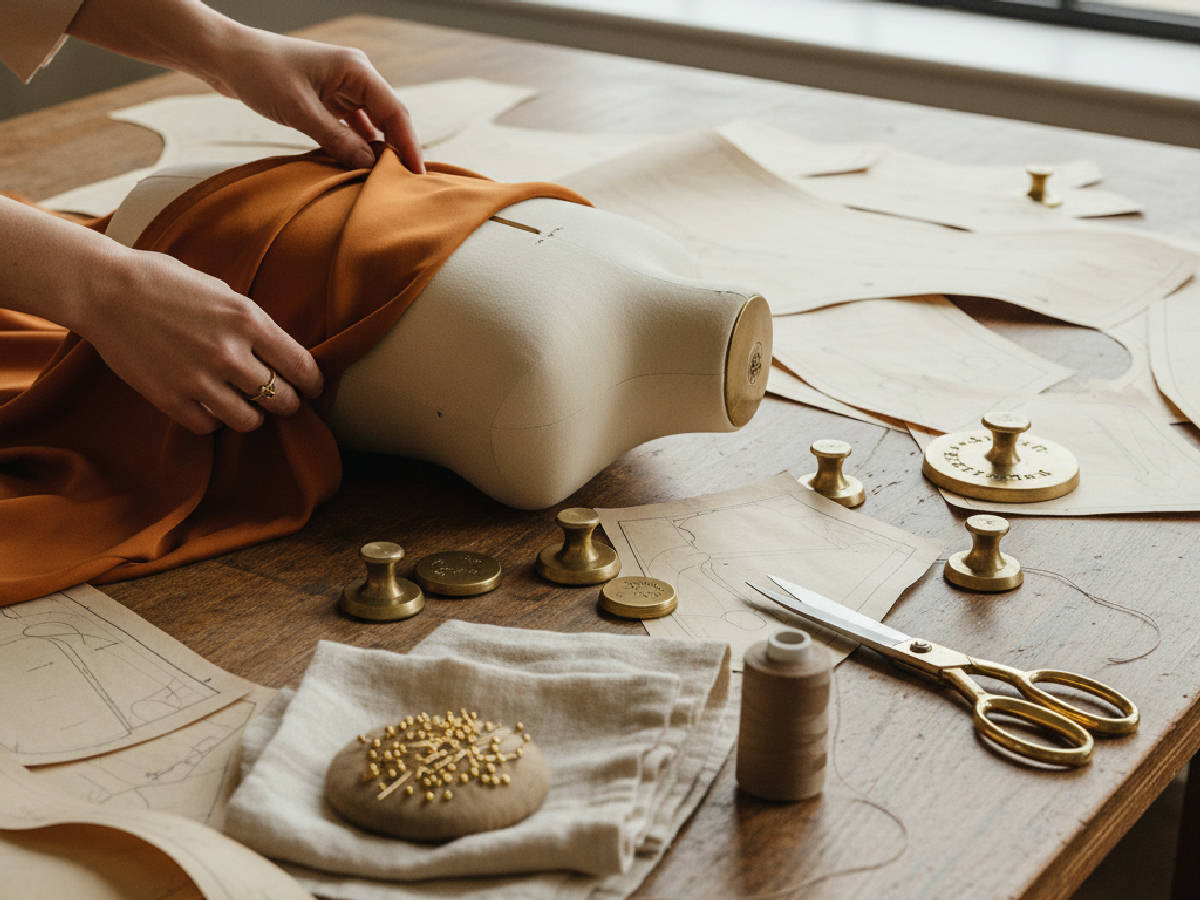
Fashion brands are constantly battling the clock to get their collections from the design studio to store shelves. A common bottleneck occurs between design and production, where technical designers, pattern makers, and merchandisers struggle to align on specs, fabrics, and construction details. This often leads to prolonged revision cycles that can derail launch timelines.
Speed is the currency of the fashion industry today. Brands that master the AI powered fashion product launch can significantly reduce time-to-market, allowing them to respond swiftly to trends and consumer demands. By integrating AI tools into their workflows, fashion teams can automate tasks such as tech pack generation, SKU readiness, and even moodboard generation, ensuring a smooth transition from concept to consumer.
What this looks like in practice: Consider a tech designer at a 200-SKU contemporary brand. By using AI tools, they can automate tech pack generation, reducing the need for multiple rounds of manual revisions. The AI system cross-references the designer's sketches with the brand's database of past collections to ensure consistency and quality, allowing for an efficient and error-free handoff to production.
Common pitfalls: Some teams may initially resist adopting AI due to perceived complexity. It's crucial to provide comprehensive training and demonstrate the tangible time savings and error reductions to ensure buy-in from all stakeholders.
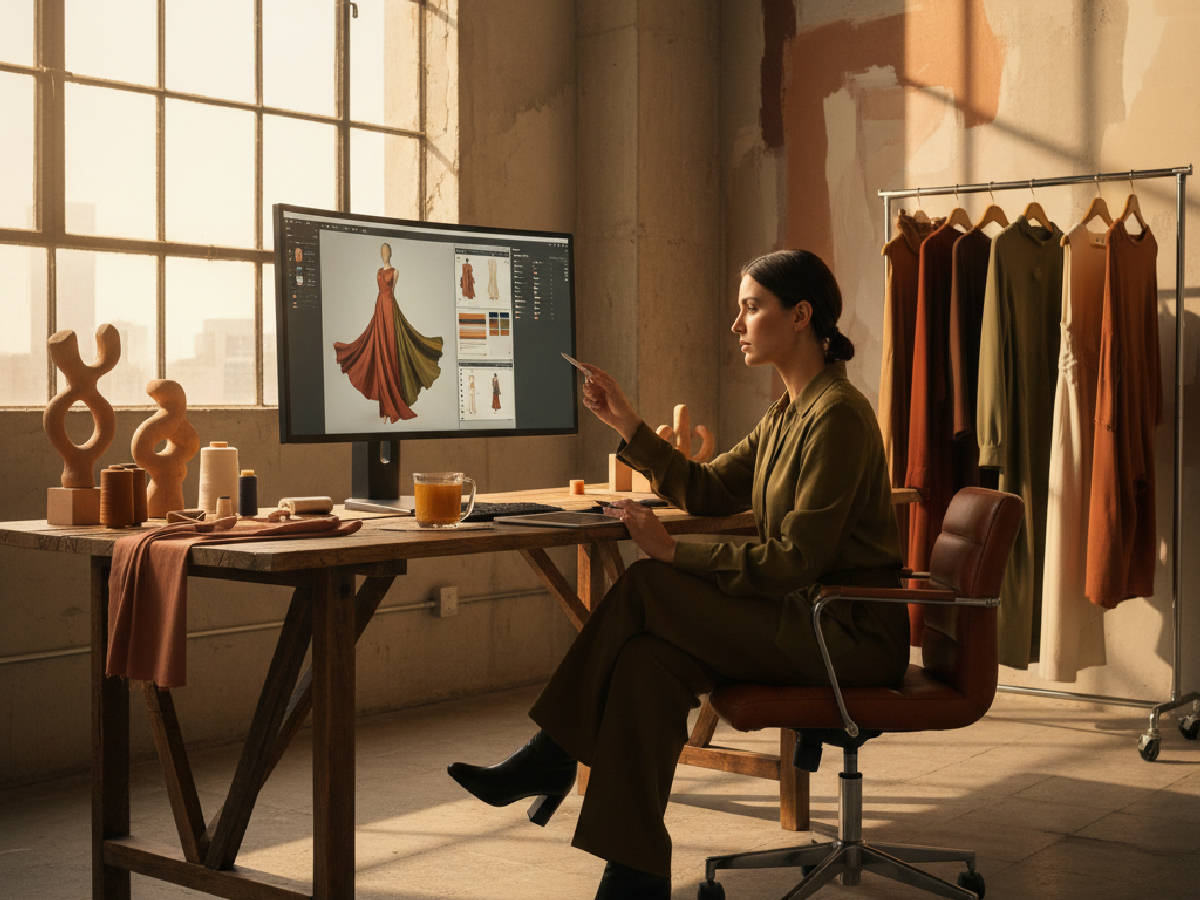
The fashion market in 2026 has embraced AI technologies more broadly than ever. A report by Business of Fashion (2026) highlights that 70% of mid-to-large fashion brands have integrated AI into at least one phase of their product development cycle. This shift has been driven by the need to minimize delays and maximize the impact of fashion launches. Brands can now predict trend lifecycles with greater accuracy and adjust their production strategies accordingly.
What this looks like in practice: A merchandiser at a leading fashion house uses AI to analyze real-time market data and adjust inventory levels in response to emerging trends. This helps prevent overproduction and reduces the risk of markdowns by aligning stock levels with actual consumer demand.
Common pitfalls: Relying heavily on AI forecasts without human oversight can lead to misalignment with brand vision. It's essential to balance AI insights with strategic human oversight to maintain brand integrity.
Merchandiser? Ship a launch where the deck and the factory match.
The F* Word connects moodboards, tech packs and merchandising prep, so your launch story and the factory order tell the same story. Free to try.
One of the most time-consuming aspects of pre-production is the constant back-and-forth required to finalize tech packs. Traditionally, this process could take weeks, as tech designers and pattern makers work through multiple revision cycles to perfect specs, grading, and construction notes. With AI tech packs, however, this cycle is dramatically shortened. Designers can upload initial sketches, and the AI system automatically generates a spec-ready tech pack complete with BOM, construction notes, and grading rules.

What this looks like in practice: A technical designer at a luxury fashion label experiences fewer delays and rework thanks to AI-generated tech packs. The system suggests the most efficient construction methods based on the designer's input, reducing the need for costly sampling rounds.
Common pitfalls: Misinterpretation of AI-generated tech packs can occur if team members are not properly trained. Clear guidelines and regular updates on AI system improvements are necessary to maintain alignment with production standards.

Consider a brand with 100 styles per season. Each style traditionally requires 8 revision cycles, taking approximately 3 weeks per style before it's factory-ready. With AI tech packs, revision cycles reduce to 2, cutting the process down to 3 days per style. This time-saving translates to faster product launches and a substantial reduction in development costs. For instance, reducing revision cycles from 8 to 2 saves the brand an average of 15 days per style. In a season, this equates to saving 1,500 days across all styles, allowing the brand to redirect those resources towards new and marketing efforts.
Edge-case variation: If a style requires a unique fabric that disrupts the typical timeline, AI can predict and manage these exceptions by providing alternative solutions, ensuring minimal impact on the overall schedule.
The "Swift Launch" Framework is a streamlined approach to integrate AI across the fashion launch process. The framework focuses on three key areas: design automation, real-time trend analysis, and enhanced virtual merchandising. By adopting this approach, brands can shorten their production timelines, ensure product-market fit, and ultimately, enhance their competitive edge. However, reliance on AI requires strong data inputs and a willingness to adapt traditional workflows, which can be a hurdle for some brands.
How to apply: Start by identifying repetitive tasks in your design and production workflows that can be automated. Implement AI tools to handle these tasks, freeing up your team to focus on creative and strategic initiatives. Monitor the performance of these AI tools closely and be prepared to adjust your strategies based on data insights.
Expected impact metrics: Brands can expect to see up to a 70% reduction in time-to-market, a 50% decrease in production costs, and a 30% increase in product sell-through rates. Tradeoffs include the upfront investment in AI technology and potential resistance from team members accustomed to traditional methods. Failure modes may arise from inadequate data quality or misalignment between AI outputs and brand standards.
Common pitfalls: Without a clear roadmap for AI integration, brands may face scattered adoption that leads to inefficiencies. It's vital to establish a strong implementation plan.
AI tools are not limited to technical design; they also enhance creative direction. Designers can now use AI to predict trend trajectories, generate moodboards, and refine color stories. This ensures that collections are timely and resonate with target audiences. The integration of AI in creative planning minimizes guesswork, allowing for more data-driven decisions.
What this looks like in practice: A creative director at a high-end fashion brand uses AI to refine seasonal color palettes based on consumer sentiment data. This approach ensures that color stories are aesthetically pleasing and commercially viable, aligning with the brand's strategic goals.
Common pitfalls: Over-reliance on AI for creative decisions can stifle new. It's important to maintain a balance between AI-driven insights and human creativity.
In pre-production, AI tech packs streamline the handoff between design and production. They ensure that each style's specs, BOM, and construction notes are accurate and ready for manufacturing. This reduces sampling rounds and aligns all stakeholders on a unified vision for each garment before it hits the factory floor.
What this looks like in practice: A pattern maker at a fast-fashion brand use AI to ensure that grading rules are consistent across all sizes, reducing the time spent on manual adjustments and ensuring a faster production ramp-up.
Common pitfalls: Without proper training, teams may misinterpret AI outputs, leading to misaligned expectations. It's crucial to provide adequate training and support to ensure team members can effectively use AI tools.
The final step in an AI powered fashion product launch is the go-to-market strategy. AI enables faster SKU readiness and improved merchandising for fashion teams. By accelerating these aspects, brands can reduce markdowns and returns, optimizing their overall profitability.
What this looks like in practice: A merchandiser at a direct-to-consumer brand uses AI to synchronize product launches with marketing campaigns, ensuring that all promotional materials are aligned with the latest product drops. This cohesion enhances brand messaging and improves consumer engagement.
For brands looking to stay competitive, integrating AI into their product launch strategy is not just advantageous, it's essential. By embracing AI, fashion brands can expedite their design-to-market timelines, reduce costs, and enhance their ability to meet consumer demands swiftly.
AI analyzes vast amounts of data to predict trend trajectories, allowing brands to make informed design decisions that align with market demand. By using AI, brands can identify emerging trends early, adjust their collections accordingly, and ensure that their products resonate with consumers. The accuracy of AI-driven trend forecasting helps reduce the risk of overproduction and enhances the brand's ability to capitalize on new opportunities.
AI tech packs automate the creation of spec sheets, BOMs, and construction notes, significantly reducing revision cycles and time-to-market. These packs ensure that all necessary details are accurately captured, reducing the likelihood of errors that can delay production. By streamlining the pre-production process, AI tech packs help brands maintain consistent quality standards across all products.
Yes, AI enhances product merchandising by optimizing SKU readiness and generating consistent product imagery and descriptions that improve the consumer's shopping experience. By use AI, brands can tailor their merchandising strategies to better meet consumer preferences, ensuring that products are presented in the most appealing way. This approach can lead to increased consumer satisfaction and higher conversion rates.
Challenges include the need for high-quality data inputs and the potential resistance to changing traditional workflows, which can slow down adoption. Ensuring that AI systems are aligned with brand values and standards is crucial for successful integration. Additionally, the initial investment in AI technology and training can be significant, but the long-term benefits often outweigh these challenges.
Related: ai lookbook generator
Get The F* Word workflow insights in your inbox.