.png)
English
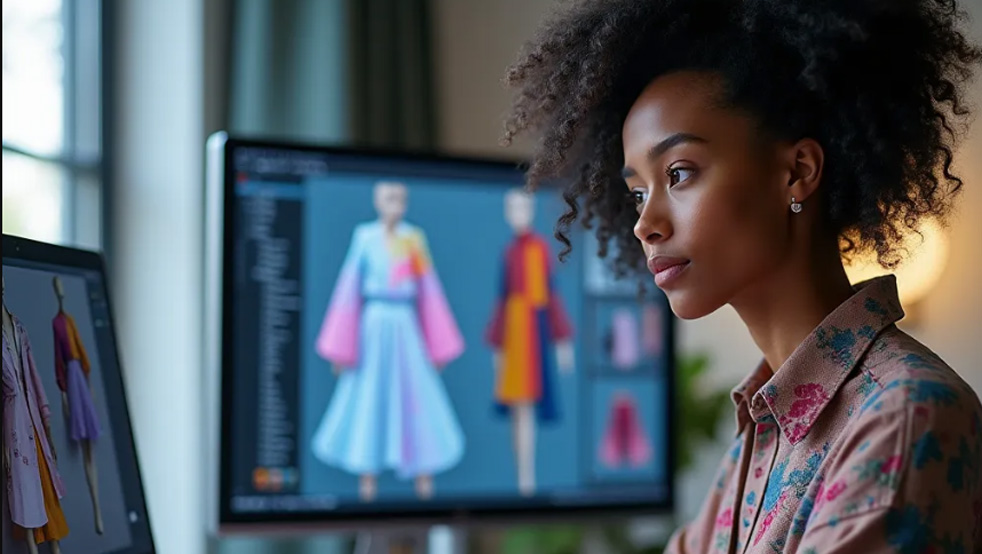
The fashion industry is experiencing a groundbreaking transformation with the integration of artificial intelligence (AI). This technological evolution is not just a fleeting trend but a fundamental shift that is reshaping how fashion is conceived, designed, and produced. AI fashion designers are emerging as key players in this revolution, offering unprecedented opportunities for creativity, efficiency, and sustainability. As AI continues to evolve, it promises to redefine the boundaries of fashion design, creating a more dynamic and sustainable future for the industry.
The fashion industry, long celebrated for its creativity and innovation, is undergoing a profound transformation with the integration of artificial intelligence (AI). AI fashion designers are emerging as pivotal players in this evolution, reshaping how fashion is conceptualized, designed, and produced. This technological advancement is not merely a trend but a fundamental shift that is redefining the boundaries of creativity and efficiency in fashion design.
At its core, an AI fashion designer utilizes machine learning algorithms and data analytics to assist in the design process. These systems can analyze vast amounts of data, including current fashion trends, consumer preferences, and historical design patterns, to generate new and innovative design concepts. By processing this information, AI can predict upcoming trends and suggest designs that align with consumer desires, offering a level of precision and foresight that was previously unattainable.
One of the most significant advantages of AI in fashion design is its ability to enhance creativity. While creativity is inherently human, AI can augment this process by providing designers with a broader palette of ideas and inspirations. For instance, AI can generate thousands of design variations in a fraction of the time it would take a human designer, allowing for rapid prototyping and experimentation. This capability enables designers to explore unconventional ideas and push the boundaries of traditional fashion design, leading to more innovative and diverse collections.
Moreover, AI fashion designers contribute to sustainability in the fashion industry. By optimizing the design and production processes, AI can help reduce waste and improve resource efficiency. For example, AI can predict the exact amount of fabric needed for a particular design, minimizing excess material and reducing the environmental footprint of fashion production. Additionally, AI can assist in creating designs that are more durable and timeless, encouraging consumers to invest in quality over quantity and reducing the cycle of fast fashion.
The personalization of fashion is another area where AI is making significant strides. AI systems can analyze individual consumer data to create personalized fashion recommendations and custom designs. This level of personalization not only enhances the consumer experience but also fosters a deeper connection between the brand and the customer. By offering unique, tailored designs, brands can differentiate themselves in a competitive market and build stronger customer loyalty.
Despite these advancements, the integration of AI in fashion design is not without challenges. Concerns about the loss of human touch and the potential for homogenization of design are prevalent. However, many industry experts argue that AI should be viewed as a tool that complements human creativity rather than replacing it. The collaboration between human designers and AI can lead to a harmonious blend of technology and artistry, resulting in designs that are both innovative and deeply human.
In summary, AI fashion designers are revolutionizing the fashion industry by enhancing creativity, promoting sustainability, and personalizing consumer experiences. As AI technology continues to evolve, its role in fashion design is likely to expand, offering exciting possibilities for the future of fashion. This transformation is not just about adopting new tools but embracing a new way of thinking about design, where technology and creativity coexist to create a more dynamic and sustainable fashion landscape.
The fashion industry, long celebrated for its creativity and innovation, is undergoing a seismic shift with the integration of artificial intelligence. This transformation is not just a technological upgrade; it is a reimagining of how fashion is conceived, designed, and delivered. But who stands to benefit the most from this AI-driven revolution? The answer is multifaceted, encompassing a diverse array of stakeholders who are poised to redefine the future of fashion.
First and foremost, established fashion designers and brands are at the forefront of this transformation. These industry veterans, who have traditionally relied on intuition and experience, now have the opportunity to harness AI to enhance their creative processes. By analyzing vast datasets of fashion trends, consumer preferences, and historical designs, AI can provide designers with unprecedented insights. This allows them to anticipate trends, create more personalized collections, and streamline their design processes. For these designers, AI is not a replacement but a powerful tool that augments their creative vision, enabling them to push the boundaries of what is possible in fashion design.
Emerging designers and startups also stand to gain significantly from AI integration. In an industry where breaking through can be daunting, AI offers a competitive edge. By leveraging AI-driven design tools, these newcomers can experiment with innovative styles and materials without the prohibitive costs traditionally associated with fashion design. AI democratizes access to high-level design capabilities, allowing emerging talents to compete on a more level playing field with established brands. This democratization fosters a more diverse and inclusive fashion landscape, where creativity is not limited by resources but is instead amplified by technology.
Retailers and e-commerce platforms are another group that can greatly benefit from AI in fashion design. With AI's ability to predict consumer behavior and preferences, retailers can optimize their inventory, reduce waste, and enhance the shopping experience. Personalized recommendations powered by AI can increase customer satisfaction and loyalty, while virtual fitting rooms and AI-driven styling advice can transform the way consumers interact with fashion online. For retailers, AI is a game-changer that not only improves operational efficiency but also elevates the customer experience to new heights.
Consumers themselves are perhaps the ultimate beneficiaries of AI in fashion design. As AI enables more personalized and sustainable fashion options, consumers can enjoy clothing that better reflects their individual tastes and values. AI-driven customization allows for garments that fit perfectly and cater to personal style preferences, while sustainable practices supported by AI can reduce the environmental impact of fashion production. This shift towards a more consumer-centric and environmentally conscious fashion industry aligns with the growing demand for ethical and personalized fashion choices.
Finally, the role of AI in fashion design extends to the broader ecosystem of technologists and data scientists who are driving these innovations. These professionals are the architects of the algorithms and systems that power AI in fashion, and their work is crucial in shaping the future of the industry. By collaborating with designers and brands, technologists can ensure that AI solutions are not only technically robust but also creatively inspiring.
In essence, the integration of AI into fashion design is a collaborative revolution that involves a wide range of stakeholders. From seasoned designers to tech innovators, each plays a vital role in harnessing the potential of AI to transform the fashion industry. As this transformation unfolds, it promises to create a more innovative, inclusive, and sustainable future for fashion, benefiting all who are willing to embrace the possibilities of this technological evolution.
Artificial Intelligence is revolutionizing the fashion industry in ways that were once unimaginable. One of the most significant benefits of AI in fashion design is its ability to enhance creativity and innovation. By analyzing vast amounts of data, AI can identify emerging trends and consumer preferences, allowing designers to create collections that resonate with their target audience. This data-driven approach not only helps in predicting what will be popular but also inspires designers to experiment with new styles and concepts that they might not have considered otherwise. The result is a more dynamic and responsive fashion industry that can quickly adapt to changing tastes and preferences.
Another transformative benefit of AI in fashion design is the efficiency it brings to the design process. Traditional fashion design can be time-consuming, with designers spending countless hours sketching, revising, and perfecting their creations. AI streamlines this process by offering tools that can generate design prototypes rapidly. These tools can simulate fabrics, colors, and patterns, allowing designers to visualize their ideas in a fraction of the time it would take manually. This increased efficiency not only speeds up the design process but also reduces costs, making it possible for designers to bring their creations to market more quickly and affordably.
Sustainability is another area where AI is making a significant impact. The fashion industry has long been criticized for its environmental footprint, with issues ranging from wasteful production practices to the use of non-sustainable materials. AI helps address these concerns by optimizing supply chains and reducing waste. For instance, AI algorithms can predict demand more accurately, ensuring that production aligns closely with consumer needs and minimizing overproduction. Additionally, AI can assist in the development of sustainable materials by analyzing and testing new fabric compositions, leading to more eco-friendly fashion options.
AI also enhances personalization in fashion design, offering consumers a more tailored shopping experience. By analyzing individual preferences and past purchasing behavior, AI can recommend clothing and accessories that align with a consumer's unique style. This level of personalization not only improves customer satisfaction but also fosters brand loyalty, as consumers feel more connected to brands that understand and cater to their personal tastes. Moreover, AI-driven virtual fitting rooms allow customers to try on clothes virtually, reducing the need for physical try-ons and returns, which further contributes to sustainability efforts.
The integration of AI in fashion design is also democratizing the industry. With AI tools becoming more accessible, aspiring designers without formal training or significant resources can now enter the fashion world. These tools provide guidance and support, enabling new talent to experiment and innovate without the traditional barriers to entry. This democratization is leading to a more diverse and inclusive fashion landscape, where a wider range of voices and perspectives can be heard and celebrated.
In summary, the benefits of AI in fashion design are vast and varied, touching on creativity, efficiency, sustainability, personalization, and democratization. As AI continues to evolve, its role in transforming the fashion industry will only grow, paving the way for a future where fashion is more innovative, sustainable, and inclusive than ever before.
Embarking on the journey with an AI Fashion Designer can be both exhilarating and transformative for anyone in the fashion industry. The integration of artificial intelligence into fashion design is not just a trend; it's a revolution that is reshaping how designers conceptualize, create, and market their collections. To get started, it's essential to understand the foundational elements that make AI a powerful tool in fashion design.
The first step in leveraging AI in fashion design is to familiarize yourself with the technology's capabilities. AI can analyze vast amounts of data, identify patterns, and predict trends with remarkable accuracy. This means that designers can access insights that were previously unimaginable, allowing them to create designs that resonate with current and future market demands. By using AI, designers can tap into a wealth of information about consumer preferences, historical fashion trends, and emerging styles, all of which can inform their creative process.
Once you have a grasp of what AI can do, the next step is to integrate AI tools into your design workflow. This might involve using AI-powered software that can generate design ideas based on specific parameters you set, such as color palettes, fabric types, or style inspirations. These tools can serve as a digital sketchpad, offering a plethora of design options that can be refined and customized to suit your vision. The beauty of AI is that it can handle the heavy lifting of data analysis, freeing designers to focus on the creative aspects of their work.
Collaboration is another crucial aspect of getting started with AI in fashion design. AI tools are most effective when used in conjunction with human creativity and intuition. Designers should view AI as a collaborative partner rather than a replacement. By working alongside AI, designers can push the boundaries of their creativity, exploring new styles and concepts that might not have been possible through traditional methods alone. This partnership can lead to innovative designs that captivate audiences and set new trends in the fashion world.
To fully harness the potential of AI, it's also important to stay updated with the latest advancements in technology. The field of AI is rapidly evolving, with new tools and techniques emerging regularly. By keeping abreast of these developments, designers can continually refine their skills and incorporate cutting-edge technology into their work. This ongoing learning process ensures that designers remain competitive and relevant in an industry that is constantly changing.
Finally, consider the ethical implications of using AI in fashion design. As with any technology, there are concerns about data privacy, intellectual property, and the potential for AI to perpetuate biases. Designers should be mindful of these issues and strive to use AI responsibly, ensuring that their work is both innovative and ethical.
In summary, getting started with an AI Fashion Designer involves understanding the technology, integrating it into your workflow, collaborating with it creatively, staying informed about technological advancements, and considering ethical implications. By embracing AI, designers can unlock new levels of creativity and efficiency, positioning themselves at the forefront of the fashion industry's future.
The fashion industry, long celebrated for its creativity and innovation, is experiencing a transformative shift with the integration of artificial intelligence. The timing of this technological evolution is not only opportune but also essential, as it aligns with the industry's growing demands for sustainability, personalization, and efficiency. The convergence of these factors creates a fertile ground for AI to revolutionize fashion design, offering unprecedented opportunities for designers, brands, and consumers alike.
In recent years, the fashion industry has faced mounting pressure to address environmental concerns. The traditional processes of fashion design and production are often resource-intensive, contributing significantly to pollution and waste. AI offers a timely solution by optimizing design processes and reducing waste through predictive analytics and efficient resource management. By analyzing vast amounts of data, AI can forecast trends and consumer preferences with remarkable accuracy, allowing designers to create collections that are not only stylish but also sustainable. This capability is crucial as consumers become increasingly eco-conscious, demanding transparency and responsibility from their favorite brands.
Moreover, the rise of fast fashion has led to a saturation of the market, with consumers seeking more personalized and unique fashion experiences. AI's ability to analyze consumer data and predict individual preferences enables designers to create bespoke pieces that cater to specific tastes and needs. This level of personalization was previously unattainable at scale, but AI makes it possible to deliver customized fashion experiences to a broader audience. The timing of AI's integration into fashion design is perfect, as it meets the growing consumer demand for individuality and exclusivity in an era where personal expression through fashion is more important than ever.
The digital transformation of the fashion industry, accelerated by the global pandemic, has also paved the way for AI's timely entrance. With the shift towards online shopping and virtual fashion shows, AI technologies such as virtual try-ons and digital fashion design tools have become indispensable. These innovations not only enhance the consumer experience but also streamline the design process, allowing designers to experiment with new ideas and bring them to market faster than ever before. The ability to quickly adapt to changing market conditions and consumer preferences is a significant advantage in the fast-paced world of fashion.
Furthermore, the timing of AI's integration into fashion design coincides with advancements in machine learning and data processing capabilities. These technological improvements have made AI more accessible and affordable for fashion brands of all sizes, democratizing the benefits of AI-driven design. Smaller brands and independent designers can now leverage AI to compete with larger, established players, fostering a more diverse and dynamic fashion landscape.
In essence, the best time for AI in fashion design is now. The industry's current challenges and opportunities align perfectly with the capabilities of AI, making it an indispensable tool for innovation and growth. As AI continues to evolve, its impact on fashion design will only deepen, reshaping the industry in ways that were once unimaginable. The timing is not just right; it is essential for the future of fashion.
The fashion industry, long celebrated for its creativity and innovation, is undergoing a profound transformation with the integration of artificial intelligence. This technological revolution is not just enhancing the efficiency of design processes but is also redefining the very essence of creativity in fashion. AI is enabling designers to push the boundaries of their imagination, offering tools that can analyze vast amounts of data to predict trends, optimize designs, and even create entirely new styles that were previously unimaginable.
One of the most significant impacts of AI in fashion design is its ability to analyze consumer preferences and predict future trends with remarkable accuracy. By processing data from social media, fashion shows, and retail patterns, AI algorithms can identify emerging trends and provide designers with insights into what consumers are likely to want next. This predictive capability allows designers to stay ahead of the curve, creating collections that resonate with the zeitgeist and meet consumer demand more effectively.
Moreover, AI is revolutionizing the design process itself. Traditional design methods, while rich in creativity, can be time-consuming and labor-intensive. AI tools can streamline these processes by generating design prototypes, suggesting color palettes, and even creating fabric patterns. These tools allow designers to experiment with a wider range of ideas in a fraction of the time, fostering an environment where creativity can flourish without the constraints of time and resources. The result is a more dynamic and responsive fashion industry, capable of adapting to changes in consumer preferences and market conditions with unprecedented speed.
AI is also playing a crucial role in sustainability, a growing concern in the fashion industry. By optimizing supply chains and reducing waste, AI technologies are helping brands minimize their environmental impact. For instance, AI can predict the exact amount of fabric needed for a collection, reducing excess production and waste. Additionally, AI-driven tools can assess the environmental impact of different materials, enabling designers to make more sustainable choices. This not only helps in reducing the carbon footprint of fashion brands but also aligns them with the increasing consumer demand for eco-friendly products.
Furthermore, AI is democratizing fashion design by making it more accessible to a broader audience. With AI-powered design tools, aspiring designers without formal training can experiment with creating their own collections. These tools provide guidance and support, allowing individuals to explore their creativity and bring their fashion ideas to life. This democratization is fostering a more diverse and inclusive fashion landscape, where new voices and perspectives can emerge and thrive.
In essence, the integration of AI into fashion design is not just a technological advancement; it is a cultural shift. It is reshaping how designers approach their craft, how brands interact with consumers, and how the industry as a whole evolves. As AI continues to develop, its role in fashion design will likely expand, offering even more innovative solutions and opportunities for creativity. The future of fashion is being crafted at the intersection of human ingenuity and artificial intelligence, promising a vibrant and exciting new era for designers and consumers alike.
Artificial Intelligence (AI) is revolutionizing various industries, and fashion design is no exception. As AI continues to evolve, it brings about significant changes in how fashion is conceptualized, designed, and produced. This section addresses some of the most frequently asked questions about AI's role in fashion design, providing insights into its transformative impact.
An AI fashion designer refers to the use of artificial intelligence technologies to assist or automate the fashion design process. This can include generating design ideas, predicting fashion trends, and even creating virtual models. AI systems can analyze vast amounts of data, such as historical fashion trends, consumer preferences, and social media insights, to produce innovative designs that resonate with current market demands.
AI predicts fashion trends by analyzing large datasets from various sources, including social media platforms, fashion shows, and retail sales. Machine learning algorithms identify patterns and correlations within this data, allowing AI to forecast upcoming trends with remarkable accuracy. This predictive capability helps designers and brands stay ahead of the curve, ensuring their collections align with consumer expectations and market dynamics.
While AI offers powerful tools that enhance the design process, it is unlikely to replace human designers entirely. Fashion design is inherently a creative and subjective field, where human intuition, emotion, and cultural understanding play crucial roles. AI can augment human creativity by providing data-driven insights and automating repetitive tasks, allowing designers to focus on more complex and creative aspects of their work.
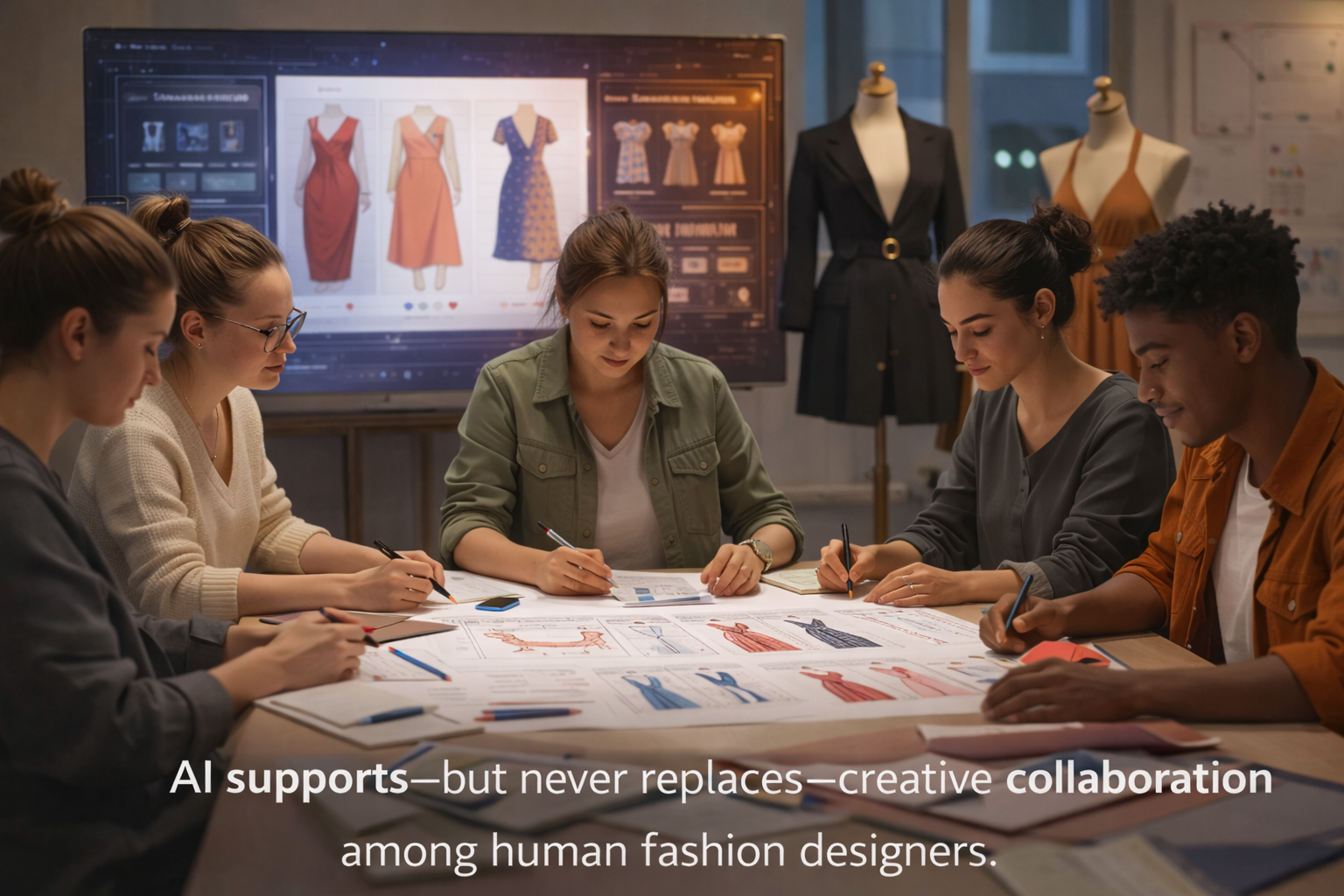
AI contributes to sustainable fashion by optimizing supply chains, reducing waste, and promoting eco-friendly practices. For instance, AI can predict demand more accurately, minimizing overproduction and excess inventory. Additionally, AI-driven design tools can suggest sustainable materials and processes, helping brands reduce their environmental footprint. By enhancing efficiency and promoting sustainability, AI supports the fashion industry's shift towards more responsible practices.
The integration of AI in fashion design raises several ethical considerations. One concern is the potential loss of jobs due to automation. While AI can handle certain tasks, it is essential to ensure that human creativity and employment are not compromised. Additionally, issues related to data privacy and algorithmic bias must be addressed. Ensuring transparency in AI systems and maintaining ethical standards are crucial for fostering trust and fairness in the fashion industry.
AI-generated designs can significantly enhance the consumer experience by offering personalized fashion recommendations and custom-fit clothing. AI systems analyze individual preferences and body measurements to create tailored fashion solutions, improving customer satisfaction and engagement. Moreover, virtual try-ons powered by AI allow consumers to visualize how garments will look and fit, reducing the likelihood of returns and enhancing the online shopping experience.
The future of AI in fashion design is promising, with continuous advancements in technology expected to further transform the industry. AI will likely become more integrated into the design process, offering even more sophisticated tools for creativity and innovation. As AI systems become more adept at understanding human emotions and cultural nuances, they will play an increasingly vital role in shaping the future of fashion, driving both creativity and efficiency.
The integration of AI into fashion design marks a new era of creativity and innovation. As designers and brands continue to explore the potential of AI, the industry is poised for a future where technology enhances every aspect of the fashion experience. From predicting trends with precision to fostering sustainable practices, AI is setting new standards for creativity, efficiency, and personalization. By embracing this technological revolution, the fashion industry can continue to evolve, creating a vibrant and dynamic landscape where innovation and artistry thrive. As we look ahead, the possibilities are boundless, promising a future where fashion is not only beautiful but also conscientious and forward-thinking.
Related reads: AI Fashion Designer
101 People Reading our Newsletter Right Now!
