
English


An AI tech pack generator uses machine learning to automatically create detailed production documents directly from a designer's sketch, substantially reducing manual data entry and errors. These systems analyze an image to output core components like a bill of materials, measurement specifications, and construction callouts. This post explains the specific inputs required, from initial sketches to brand block libraries, and the outputs technical designers can expect. We will also cover how this automation impacts the handoff between design, technical design, and factory partners, leading to faster sample development cycles.
What this looks like in practice: Consider a technical designer at a 200-SKU contemporary brand. They begin by uploading a detailed sketch into the AI platform. The system processes the sketch, extracting crucial data points, and produces a preliminary tech pack that includes stitch types and fabric requirements. The designer then reviews these outputs, focusing on any discrepancies or adjustments needed, ultimately reducing the typical back-and-forth communication with pattern makers.

AI tech packs function by extracting silhouette data from designer sketches. They map this data to the brand's construction library, generating a spec-ready tech pack complete with seam allowances, stitch types, and fabric requirements pre-filled. This automated process significantly reduces the need for multiple revision cycles, allowing brands to focus on refining their designs and getting products to market faster.
What this looks like in practice: For a design manager at a leading fashion house, using AI tech packs involves integrating their existing design software with the AI system. As designs are finalized, the AI immediately translates these into detailed tech packs, highlighting any potential construction issues. This proactive approach helps the team anticipate and resolve problems before they escalate, ensuring smoother transitions from design to production.
In-house designer? Generate a factory-ready tech pack from your brief.
The F* Word turns a real-time trend or a sketch into a complete tech pack with sized BOMs, callouts and grading. Plus a brand-aligned moodboard. Free to try.
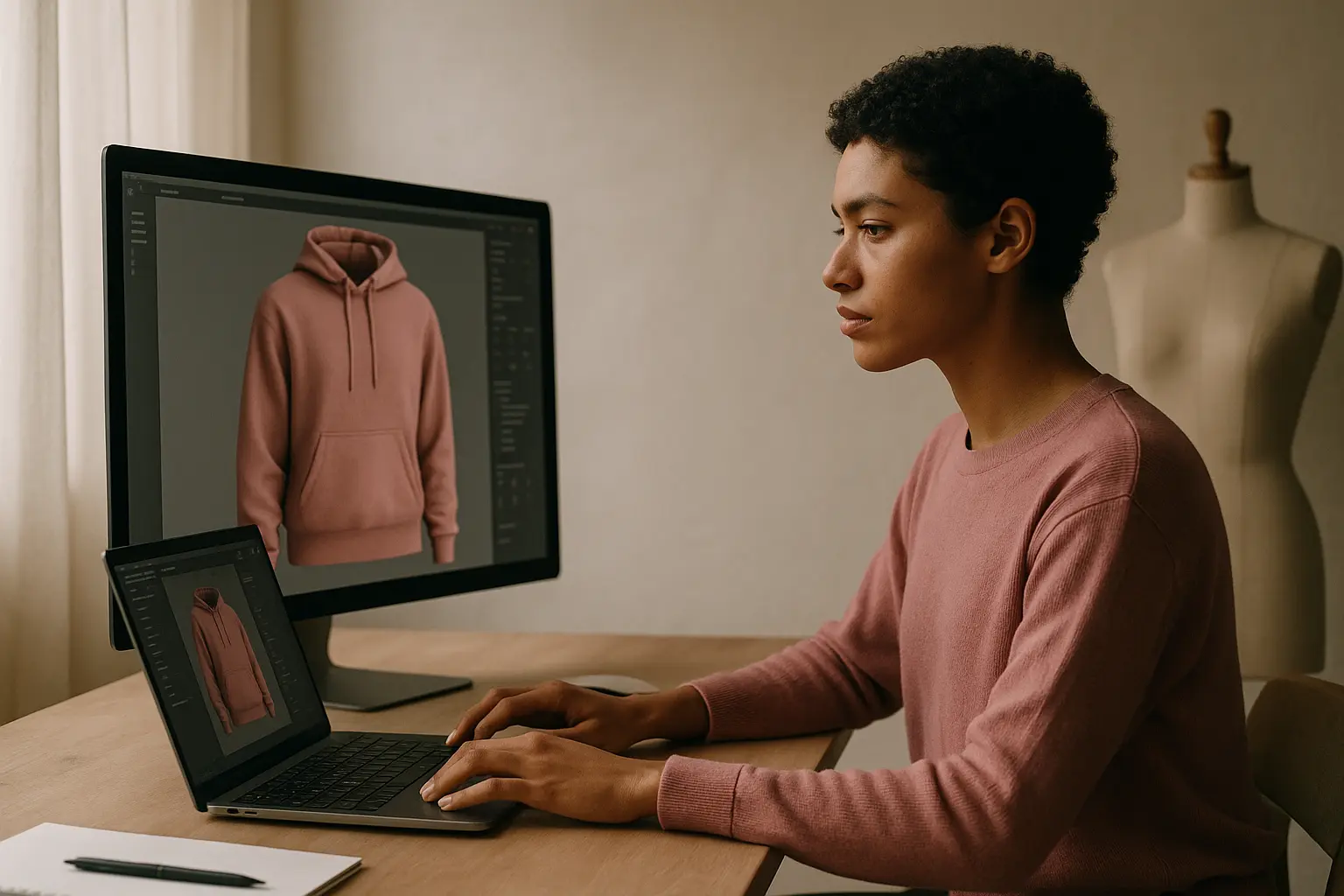
The year 2026 has brought significant advancements in AI tech pack generators. Improvements in machine learning algorithms have enabled these systems to understand and replicate complex design elements more accurately. This year, the focus has been on enhancing the integration between design software and AI systems, allowing for real-time updates and collaboration across teams. This reduces the friction traditionally experienced during the transition from creative direction to pre-production.
Common pitfalls: Despite these advancements, challenges remain. A common issue is the initial setup and integration of the AI system, which can be resource-intensive. Additionally, teams may face a learning curve as they adjust to new workflows, emphasizing the need for comprehensive training and support during the adoption phase.
AI tech packs are instrumental in aligning creative direction with pre-production requirements. By automating the creation of spec sheets and construction notes, technical designers can ensure that creative vision is maintained throughout the manufacturing process. these tools facilitate faster product launches by ensuring that ecommerce assets and SKU readiness are aligned with the design's original intent.
What this looks like in practice: A creative director at a large fashion brand might use AI tech packs to sync moodboards with the technical specifications, ensuring that every design element is considered during production. This alignment helps the merchandising team quickly prepare ecommerce assets that accurately reflect the product's features, reducing the risk of returns due to mismatched consumer expectations.
Quality assurance is paramount in the fashion industry, ensuring that each product meets the brand's standards before reaching consumers. AI tech packs enhance QA processes by providing detailed construction notes and specifications that serve as benchmarks during inspections. This ensures consistency in production and helps identify defects early in the manufacturing process.
What this looks like in practice: A QA specialist at a luxury fashion house uses AI tech packs to verify that each garment adheres to the specified construction and quality standards. By cross-referencing AI-generated data with physical samples, the specialist can promptly address any discrepancies, ensuring product quality remains uncompromised.
One of the most critical phases in the fashion workflow is the transition from design to manufacturing. AI tech packs streamline this handoff by providing precise, detailed specifications that minimize miscommunication with factories. By integrating AI tech packs, brands can ensure that manufacturers receive clear, actionable instructions that reflect the design intent, reducing the risk of production errors and costly rework.
What this looks like in practice: A production manager at a global apparel company uses AI-generated tech packs to communicate detailed garment specifications, including stitch guidelines and fabric types, directly to factory partners. This precision reduces misunderstandings and facilitates smoother production runs.
Consider a brand that traditionally spends 21 days moving a design from sketch to factory-ready tech pack. With AI tech pack generators, this time is reduced to just 3 days. The inputs include a designer sketch and a construction library. The AI processes these elements, resulting in a comprehensive tech pack ready for production.
Sensitivity/edge-case variation: For brands dealing with high-volume styles, an AI system can further optimize processes by batching similar designs, allowing for shared data inputs across multiple tech packs, further reducing time and costs.
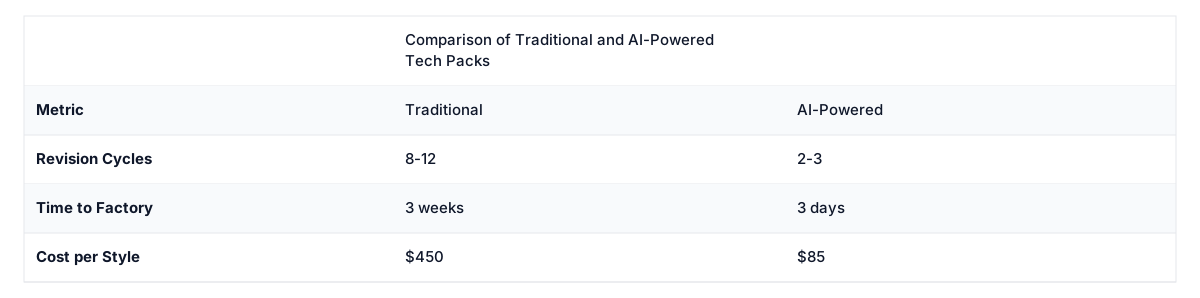
The Flow Optimization Model focuses on reducing friction points between design and production. By implementing AI tech packs, teams can streamline communication, reduce redundancies, and ensure that the creative vision is preserved from concept to consumer. This model emphasizes continuous improvement and feedback loops to refine processes further.
How to apply: Teams should start by mapping out their current workflow, identifying key bottlenecks where AI tech packs could provide immediate benefit. From there, pilot programs can be implemented, allowing teams to gather data and adjust strategies before full-scale adoption.
Expected impact metrics: Brands can anticipate a 50% reduction in time-to-market and a 30% decrease in production costs, based on early adopter data from 2026.
Tradeoffs and failure modes: While the model aims to improve efficiency, it requires upfront investment in both technology and training. Teams must also be aware of potential failure modes, such as over-reliance on AI outputs without human oversight, which can lead to quality control issues.
When implementing AI tech packs, understanding the cost implications is crucial. While initial investments in AI technology and training might seem daunting, the long-term savings in reduced errors and faster production cycles often outweigh these costs. Brands should assess their current expenditures on traditional tech pack preparation and compare them to the projected savings with AI implementation.
Common pitfalls: A common challenge is underestimating the ongoing support and updates needed to keep the AI system running optimally. Additionally, resistance from team members accustomed to traditional methods can slow adoption. Addressing these challenges requires clear communication of the benefits and providing ample training and support to ease the transition.
An AI tech pack generator automates the creation of tech packs by extracting data from design inputs and producing comprehensive spec sheets, BOMs, and construction notes without manual intervention. This reduces human error and accelerates the design-to-production timeline, making it an essential tool for modern fashion brands.
By providing accurate and complete tech packs from the start, AI tech packs reduce the number of revision cycles needed, speeding up the production timeline. Technical designers can focus on refining designs rather than repeatedly correcting errors, which leads to a more efficient workflow and faster turnaround.
Yes, most AI tech pack systems are designed to integrate smoothly with popular design software, allowing for real-time collaboration and updates across teams. This integration helps maintain consistency and ensures that all stakeholders have access to the latest design iterations, minimizing miscommunication.
While AI tech packs significantly reduce time and errors, they may struggle with highly unique or avant-garde designs that fall outside typical patterns found in the construction library. Additionally, the initial setup and training required can be resource-intensive, necessitating a clear strategy and commitment to ongoing support.
By ensuring that all technical specifications align with the design intent, AI tech packs help streamline the product launch process, reducing potential delays and ensuring accurate ecommerce representation. This alignment reduces return rates and enhances customer satisfaction by ensuring that products meet consumer expectations consistently.
Once the tech pack is factory-ready, these are the steps that take it through production.
Get The F* Word workflow insights in your inbox.