
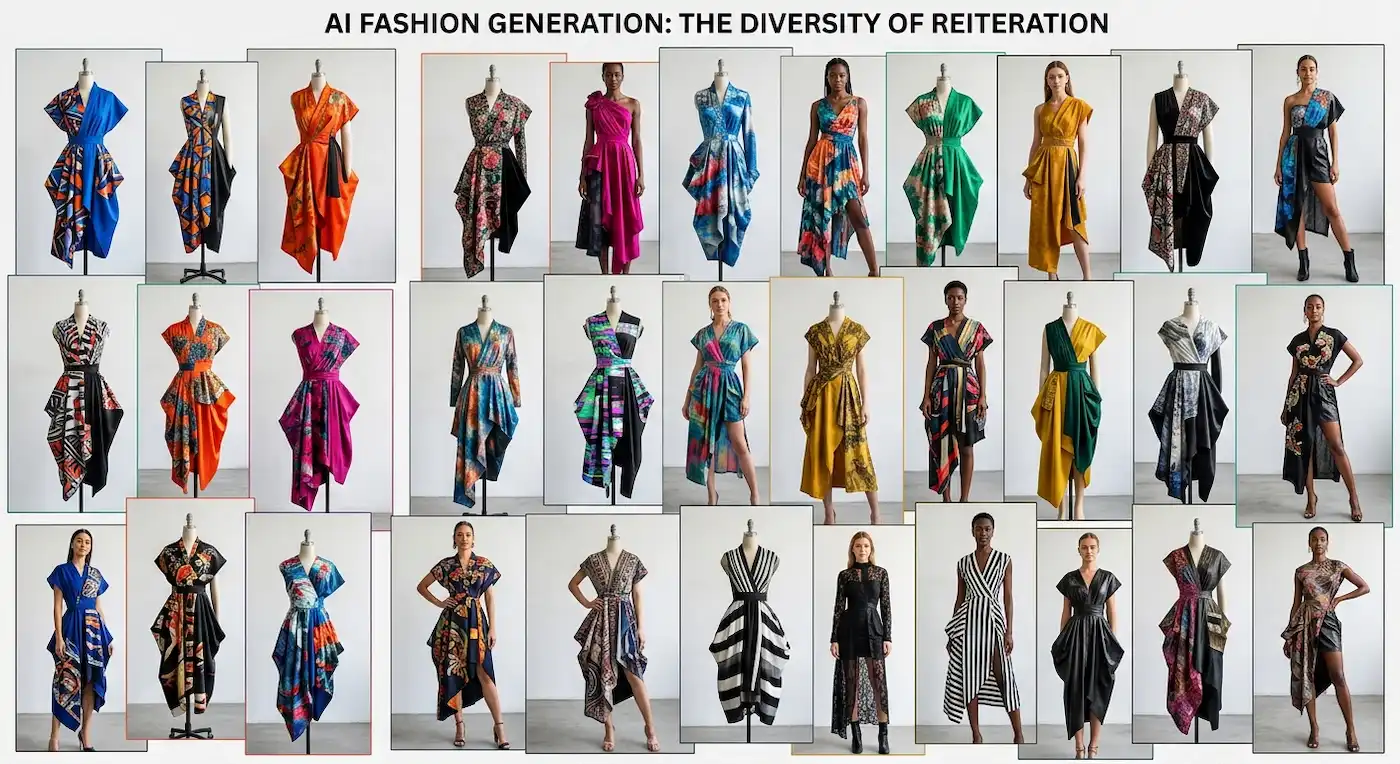
Digital fashion design directly reduces physical sampling waste, accelerates the product creation timeline, and centralizes pre-production workflows. This guide gives teams a clear breakdown of the specific operational benefits available by 2026. We will examine how 3D garment visualization provides a faster path for design validation, allowing for more iterations before committing to a physical prototype. The article also details how AI-powered tools automate the creation of tech packs, minimizing errors and improving factory communication. We then show how these digital assets connect design intent directly to merchandising and production planning for better business outcomes.
Digital fashion design encompasses 3D garment visualization, AI-powered technical documentation, and virtual prototyping, technologies that fundamentally transform how garments move from concept to production. For design leaders managing disconnected tools and lengthy approval cycles, understanding the benefits of digital fashion design isn't just about staying current; it's about survival in an increasingly competitive market where agility determines winners.
The benefit of digital fashion design is not unlimited creative output. It is faster decision-making before teams spend money on sampling, sourcing, production, and launch
Digital fashion design collapses traditional 4-6 week creative cycles into same-day validation cycles, fundamentally changing what design teams can accomplish.
Traditional fashion design workflows in 2026 still trap many brands in lengthy approval processes before any validation occurs. Each concept requires physical sampling, shipping to stakeholders, feedback collection, and revision, a cycle that repeats multiple times before production commitment. This timeline doesn't just delay launches; it forces creative directors to make early bets on trends that may have shifted by the time products reach market.
Digital fashion design eliminates these bottlenecks through real-time visualization and iteration without physical samples. According to Browzwear's research on digital garment prototyping, brands implementing 3D technology reduce their sample rounds from 3-5 per style to just 1-2 rounds. This acceleration doesn't just save time, it fundamentally changes what's possible during a design cycle.
Instead of producing 1-2 concepts per cycle with traditional methods, modern fashion workflow management systems enable teams to explore significantly more design directions without proportionally increasing headcount or timeline. Design leaders can validate 5-7 concepts in the time traditional workflows validate one, creating optionality that leads to better final products and reduced market risk.
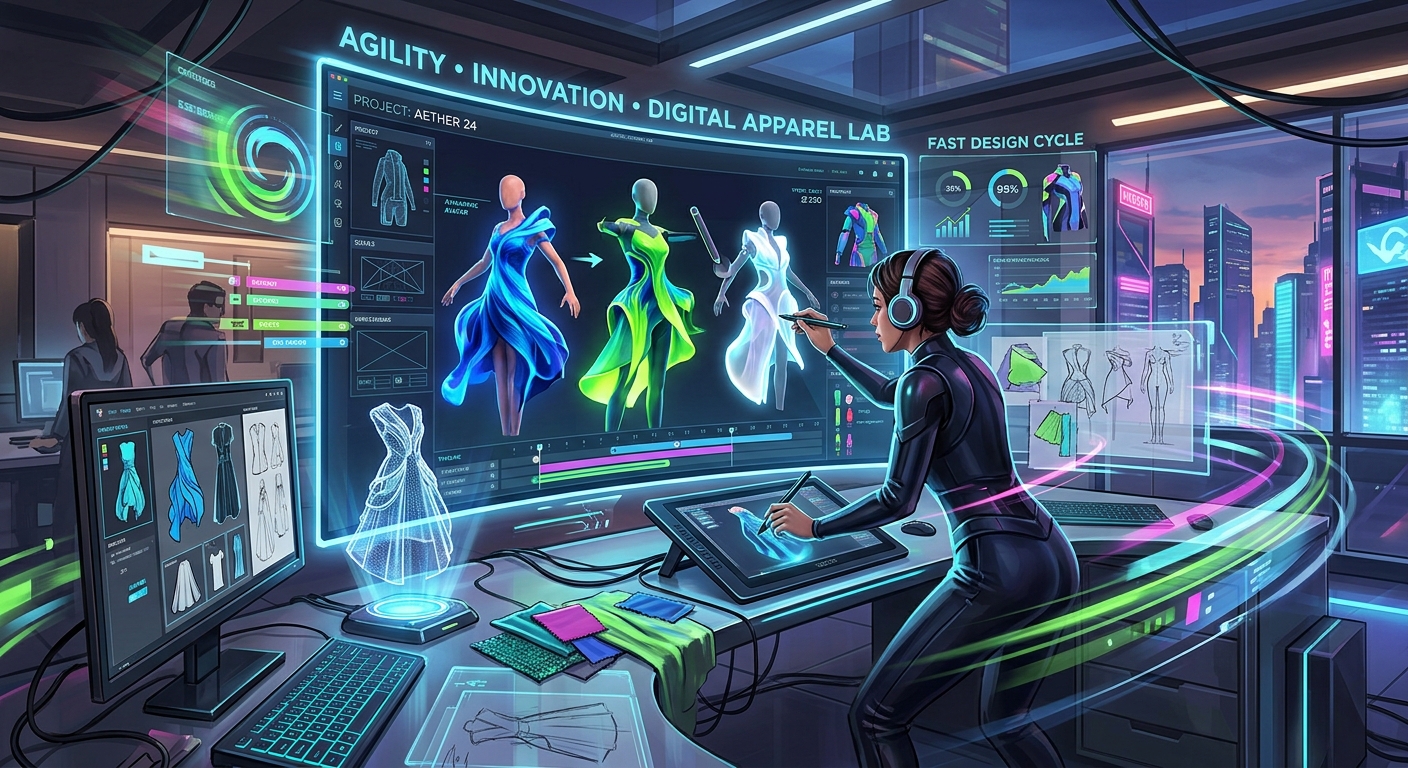
The shift from weeks of iteration to same-day validation means creative directors can respond to emerging trends while they're still relevant. Rather than committing to directions based on gut-feel bets made months earlier, teams validate concepts against current market data and consumer preferences, launching products that align with demand rather than outdated predictions.
Creative director? Go from trend signal to moodboard and tech pack.
The F* Word turns a real-time trend into a brand-aligned moodboard and the factory-readable tech pack that ships it. One workflow, free to try.
Eliminating 75% of physical samples through digital validation saves brands $450-$5,000 per avoided sample while improving final product quality.
The financial impact of traditional sampling creates invisible budget drains that compound across collections. Each failed physical sample costs between $450-$5,000 in materials, labor, and shipping, costs that multiply across dozens of styles per season. For a mid-size brand developing 50 styles per season with an average of 4 sample rounds each, traditional workflows generate 200 samples at a conservative cost of $180,000 per collection.
Digital fashion design eliminates up to 75% of these physical samples by catching fit, drape, and construction issues in the virtual environment. Style3D's analysis of digital fashion benefits demonstrates that brands adopting 3D workflows reduce material waste substantially while maintaining, or improving, final product quality through better visualization before production commitment.
The cost savings extend beyond direct sampling expenses. Traditional merchandising requires studio shoots after production commitment, often necessitating costly reshoots for missing variants or colorways. The integration of 3D fashion workflow tools enables on-model imagery generation from 3D assets, producing variant-rich content for every SKU before physical samples even exist.
This capability eliminates photography reshoot costs entirely while providing marketing teams with assets months earlier than traditional timelines allow. Brands launch e-commerce listings, pre-orders, and marketing campaigns with complete visual libraries generated from digital assets, accelerating revenue realization and improving inventory planning accuracy.
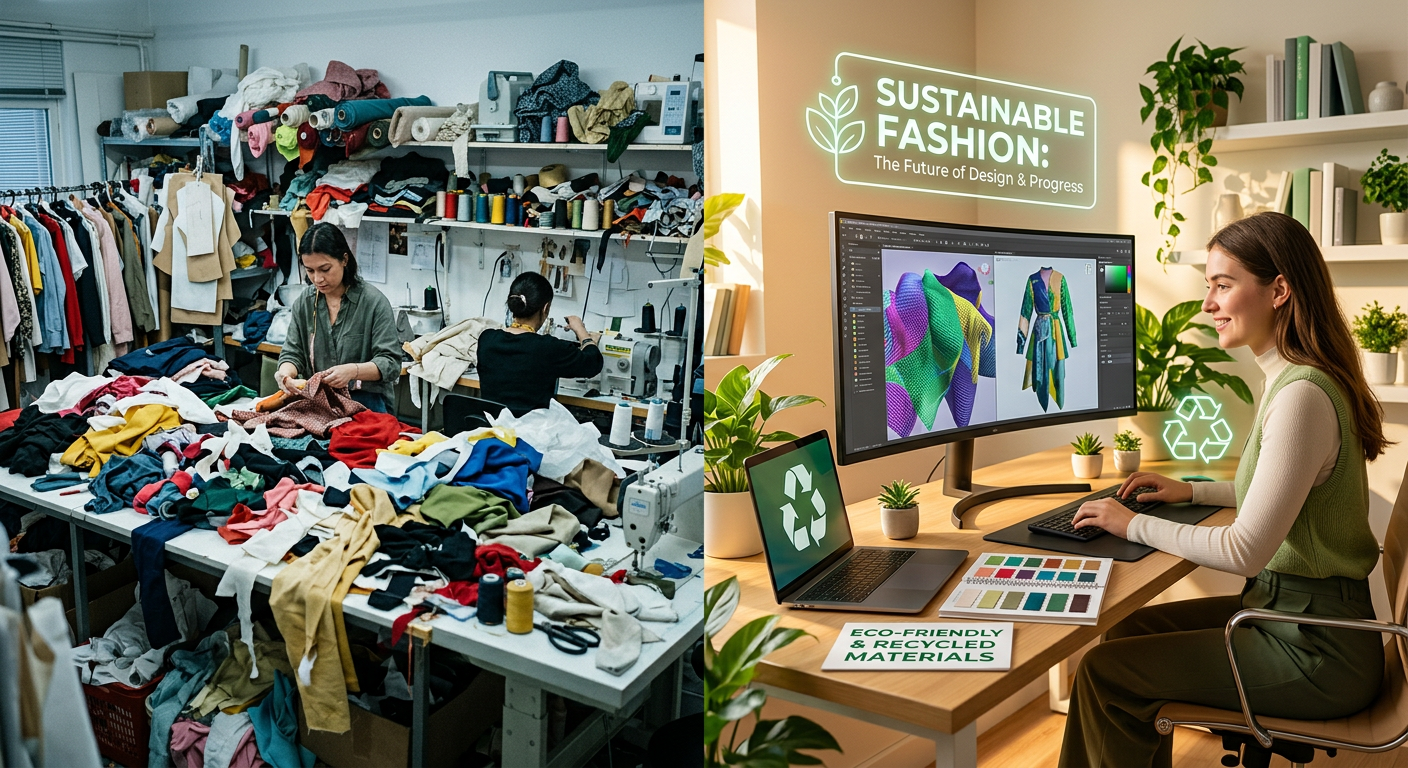
Digital fashion design addresses sustainability at the source by eliminating waste before it's created rather than managing it after production.
The fashion industry's environmental footprint remains under intense scrutiny in 2026, with brands facing increasing pressure from consumers and regulators alike. Traditional sampling generates substantial waste: fabric scraps, discarded prototypes, packaging materials, and international shipping emissions, all for garments that never reach consumers.
Research from Audaces indicates that digital fashion can approach 100% sustainability when powered by clean energy sources, eliminating the material waste inherent in traditional sampling. Each physical sample that never gets produced represents fabric, trims, packaging, and shipping emissions avoided entirely, a tangible environmental impact that scales with collection size.
The waste reduction extends beyond sampling. Digital design enables brands to validate demand before committing to production, reducing the 60% inventory risk that comes from gut-feel creative decisions. When AI-powered fashion design tools provide trend-informed briefs rather than intuition-based direction, brands produce what will actually sell rather than what ends up discounted or destroyed.
Digital collaboration eliminates the carbon emissions associated with shipping samples internationally for approval. Design teams in New York, manufacturers in Vietnam, and merchandising teams in London review and approve garments virtually, cutting weeks from timelines while removing thousands of shipping miles from each collection's carbon footprint. This shift from physical to digital collaboration represents one of fashion's most immediate opportunities for measurable emissions reduction.
When iteration costs approach zero and timelines compress from weeks to hours, designers explore radical directions without career-limiting risk.
Perhaps the most transformative benefit of digital fashion design lies in how it liberates creative exploration. Traditional workflows force designers to self-censor, knowing that each concept requires significant investment to visualize properly. Proposing an unconventional silhouette or experimental construction means committing resources before validation, a risk many designers avoid by staying within safe parameters.
Digital environments remove this constraint entirely. Fashion design apps with 3D modeling capabilities enable designers to test unconventional silhouettes, experimental fabrics, and bold colorways without committing resources until validation confirms potential. The psychological shift is profound: designers move from "will this work?" to "let's see if this works," unlocking creativity previously constrained by operational reality.
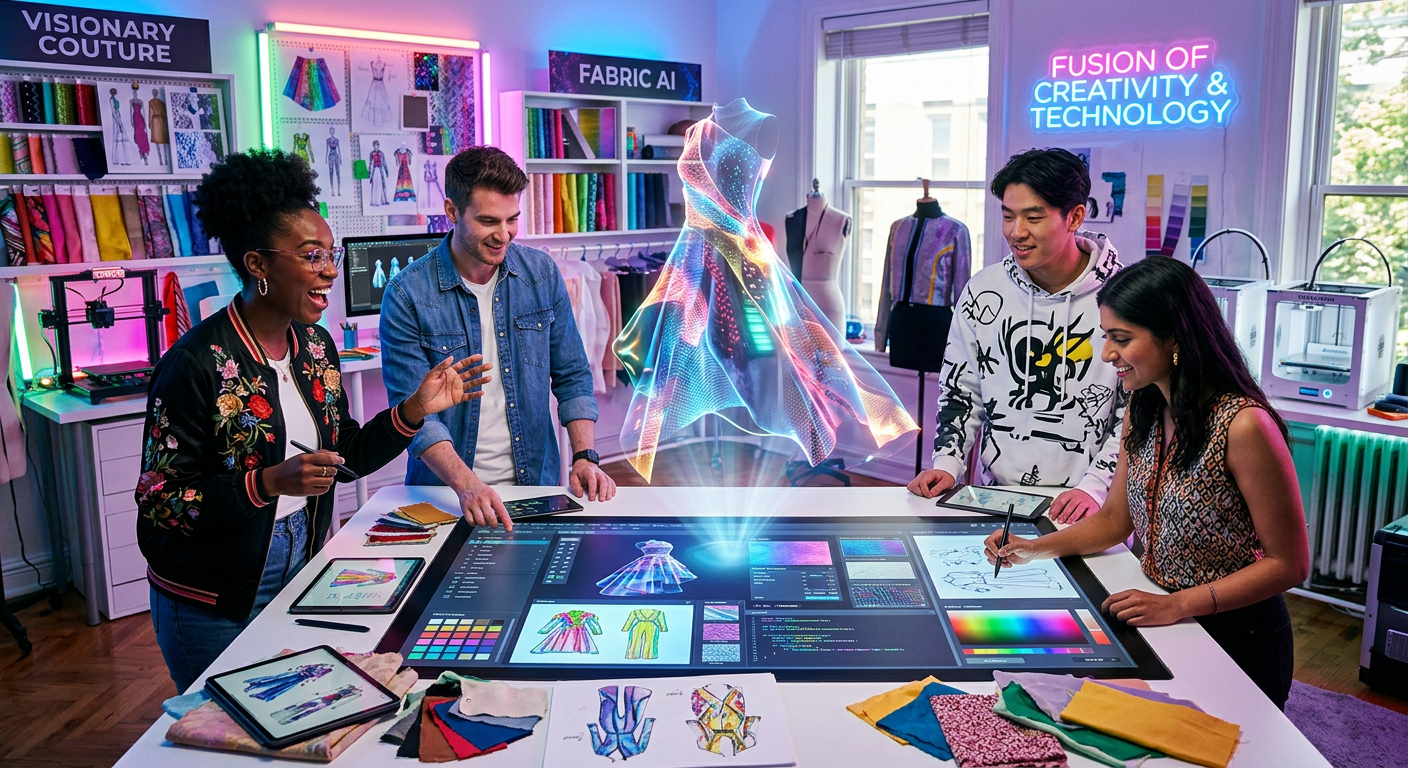
This creative freedom extends to technical innovation. Digital garment prototyping allows designers to visualize how new fabric technologies will drape and move before those fabrics physically exist, accelerating material innovation cycles and enabling earlier collaboration with textile developers. Brands can test bio-based materials, recycled fibers, and experimental constructions virtually, identifying promising directions before expensive material development begins.
Centralized digital workflows eliminate the coordination overhead that forces creative directors to spend more time managing than designing.
The fragmentation of fashion workflows across six or more disconnected tools creates communication breakdowns that slow every project. Creative direction lives in presentation decks, technical specifications exist in spreadsheets, 3D files sit in isolated software, and merchandising plans operate in separate systems. Each handoff between teams introduces delays, version control issues, and information loss.
Digital fashion design platforms centralize information, ensuring that creative direction, technical specifications, and merchandising requirements exist in a single source of truth. When creative directors spend more time coordinating than designing, the entire organization suffers. The future of digital fashion design lies in connected workflows where changes propagate automatically, tech packs update in real-time, and stakeholders access current information without endless email chains or version control nightmares.
This connectivity becomes especially critical for global teams. Digital assets enable smooth collaboration across time zones and geographies, with manufacturers receiving complete, accurate specifications that reduce misunderstandings and production errors. The reduction in clarification cycles and correction rounds accelerates timelines while improving first-sample accuracy, benefits that compound across every style in a collection.
Speed and agility separate market leaders from followers in 2026's fashion landscape where trend cycles measured in weeks have replaced seasonal planning.
Brands still relying on traditional workflows find themselves consistently behind trend cycles, unable to capitalize on viral moments or respond to competitor moves. By the time traditional processes validate and produce a trend-driven concept, the market has moved on, leaving brands with inventory that feels dated before it reaches shelves.
Digital fashion design provides the infrastructure for responsive, market-driven product development. The ability to generate validated concepts in minutes rather than weeks means brands can test more ideas, fail faster on concepts that won't work, and double down on winners while the market opportunity still exists. This agility transforms product development from a linear, scheduled process into a dynamic, market-responsive capability.
According to Cotton Incorporated's research on 3D technology in fashion, brands utilizing digital design tools report significant efficiency improvements and waste reduction, but the competitive advantage extends beyond operational metrics. These brands launch more collections per year, respond to trends faster, and maintain creative relevance in ways that traditional workflows simply cannot support.
Digital fashion design is the use of 3D garment tools, AI-assisted design systems, virtual sampling, and digital product data to move a garment from concept to production with fewer physical samples. For fashion teams, the real value comes from connecting creative direction, fit validation, tech packs, and launch assets in one cleaner workflow.
Digital fashion design reduces sample costs by catching fit, drape, proportion, and construction issues before a factory cuts fabric. Instead of sending every early idea into physical sampling, teams validate the garment digitally first. That can reduce sample rounds, shipping costs, rework, and late-stage corrections.
No. Digital fashion design gives designers faster ways to test ideas, compare options, and communicate product intent. Designers still own silhouette, proportion, fabric direction, styling, and brand taste. The software removes the drag around versioning, rendering, documentation, and repetitive handoffs.
3D fashion design is one part of digital fashion design. It focuses on garment visualization, fit, drape, and virtual prototypes. Digital fashion design is broader, covering concept development, AI-assisted design, technical documentation, BOMs, approvals, merchandising assets, and production handoff.
Start with one high-friction workflow: virtual sampling, tech pack creation, or concept validation. Pick a capsule, define the baseline, then measure sample rounds, approval time, revision cycles, and handoff quality. Once the team sees fewer corrections and cleaner vendor communication, expand the workflow across more styles.
The benefits of digital fashion design extend far beyond simple cost savings or efficiency gains. In 2026, digital workflows represent a fundamental reimagining of how fashion brands operate, enabling sustainable practices, creative freedom, and market responsiveness that traditional methods cannot match.
For design leaders managing fragmented tools and lengthy cycles, digital fashion design offers a path forward that doesn't require sacrificing creative vision or hiring additional staff. Instead, it provides the infrastructure to explore more directions, validate concepts faster, and launch with confidence on reliable timelines. The transformation isn't just operational, it's strategic, competitive, and increasingly essential.
The question facing fashion brands today isn't whether to adopt digital design workflows, but how quickly they can implement them before competitors establish insurmountable advantages in speed, sustainability, and creative output.
The F* Word Editorial · Fashion workflow team
Written by The F* Word editorial team. We build AI fashion workflow software grounded in thousands of industry-produced tech packs and proprietary garment records, so what reaches the factory is consistent, reviewed, and tied to design intent.
Once the concept is approved, the next steps move it from board to factory floor.
Related: ai roi fashion brands
Get The F* Word workflow insights in your inbox.