
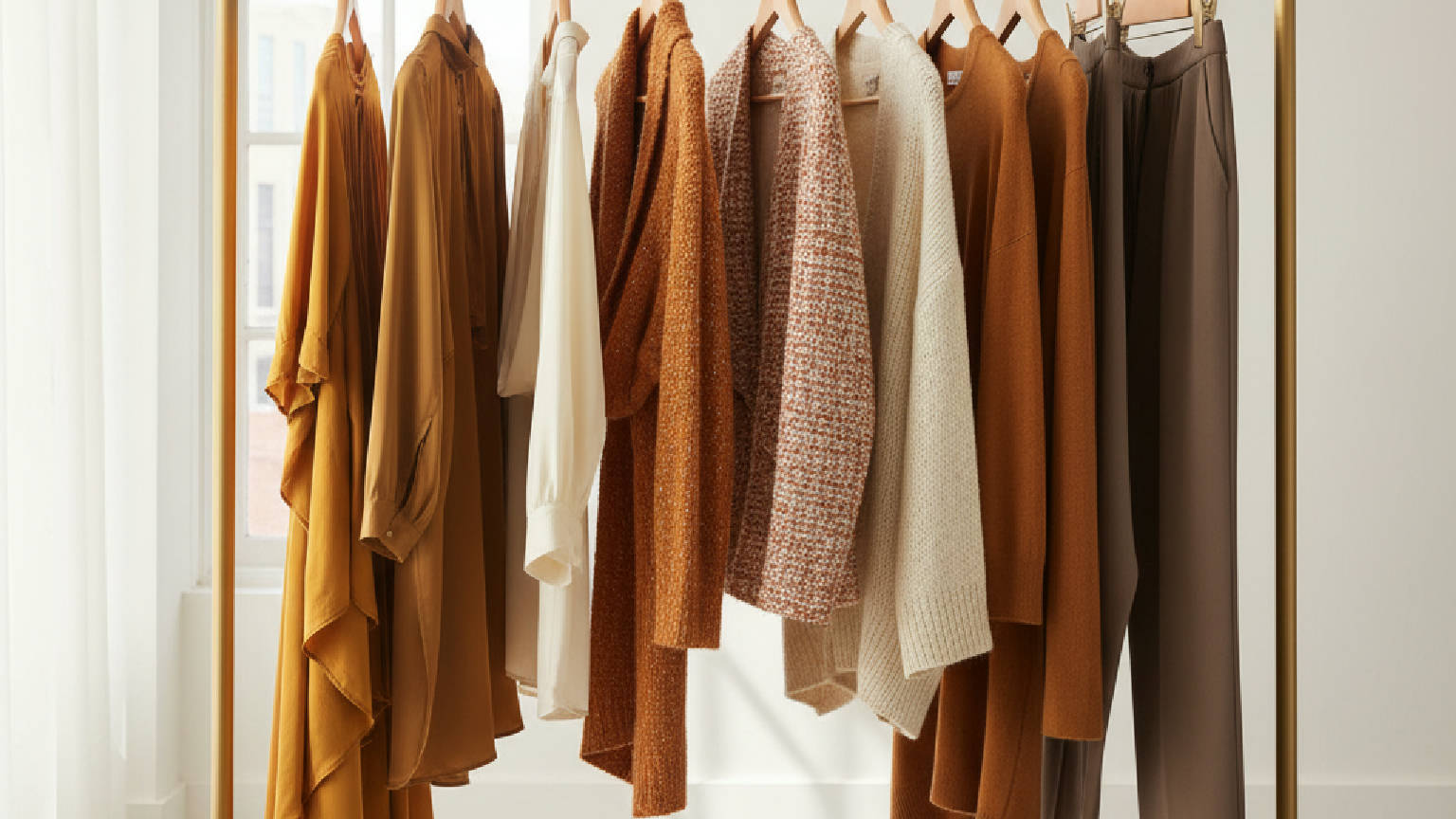
More than 85 percent of fashion brands currently piloting generative AI report a significant gap between the visual concepts created and their production feasibility. This a critical disconnect. While social media feeds are flooded with fantastical AI-generated garments, the real work of a fashion brand happens far from the hype. It happens in the precise translation of a unique brand identity into saleable, manufacturable products season after season. The widespread adoption of generic, one-size-fits-all AI tools is quietly creating a significant business risk: taste drift. Your brand's unique aesthetic, honed over years, begins to erode, subtly conforming to the statistical averages of a massive, public dataset. This is the AI fashion brand DNA problem.
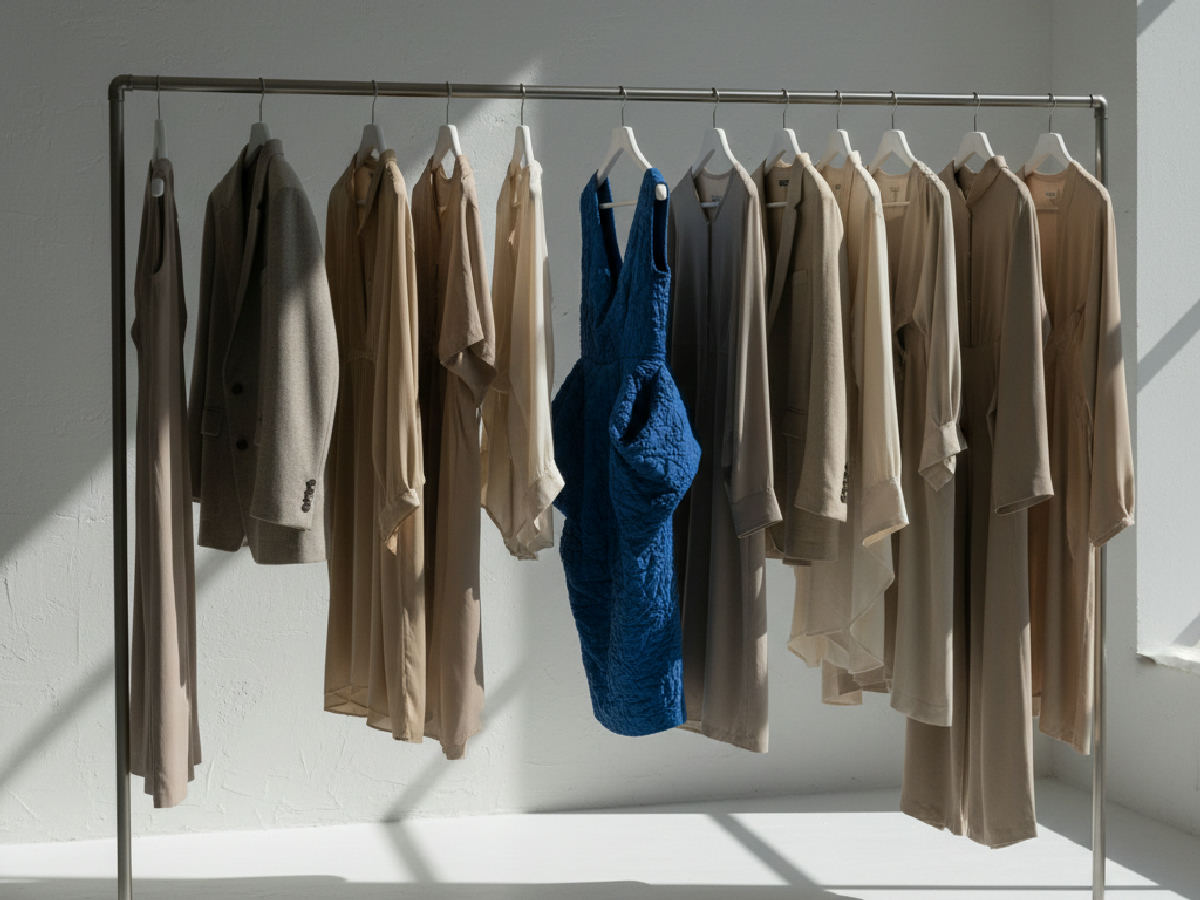
Taste drift is the gradual dilution of a brand's specific creative identity. It happens when design teams rely on AI tools trained on the entire internet instead of a private, curated model reflecting their own brand's history, values, and aesthetic constraints. Think of it like a musician who only learns to play the top 40 hits. They might become technically proficient, but they will never develop a unique sound. Generic AI models operate on the same principle. They are exceptionally good at creating beautiful, trending, and often viral images. They are not, however, designed to understand the subtle nuances that define a brand like The Row versus a brand like Rick Owens.
The core issue is the data. A model trained on billions of public images is optimized for popularity and visual coherence, not brand specificity. When a designer prompts for "a minimalist trench coat," the model generates a composite of the most common minimalist trench coats it has ever seen. This output might look clean and aesthetically pleasing, but it lacks the specific shoulder construction, button stance, or fabric choice that makes your brand's trench coat uniquely yours. Over a season, using such tools for mood boarding and initial concepting introduces dozens of these aesthetically "average" ideas. The result is a collection that feels less distinct, less intentional, and closer to a fast-fashion amalgamation than a true expression of your brand's core identity. The very tool meant to accelerate creativity ends up sanding down its most valuable, unique edges.
Creative director? Go from trend signal to moodboard and tech pack.
The F* Word turns a real-time trend into a brand-aligned moodboard and the factory-readable tech pack that ships it. One workflow, free to try.
The current conversation around AI in fashion is dominated by general-purpose image generators. These tools are powerful for ideation and have democratized visual creation. However, they are fundamentally entertainment and marketing products, not professional design systems. Framing them as end-to-end design solutions creates a misleading promise that wastes time, budget, and creative capital. The output of these models is a static, pixel-based image. It is a beautiful suggestion, but it contains zero embedded information about its own construction.
A fashion product is not a picture. It is a system of materials, patterns, and construction techniques. A compelling AI-generated image of a jacket tells you nothing about the weight of the wool, the type of canvas in the chest, the machinery required for the pocket welts, or how the sleeve will drape. This is the chasm between a creative concept and a commercial product. Teams that rely on these tools find themselves in an endless, frustrating loop of trying to reverse-engineer a pretty picture. They show the image to a technical designer or pattern maker who then must guess at the original intent, leading to costly and time-consuming sample iterations. This process negates the supposed efficiency gains of using AI in the first place. The popular framing of AI as a magic "design button" ignores the complex, physical, and highly specific realities of apparel manufacturing.
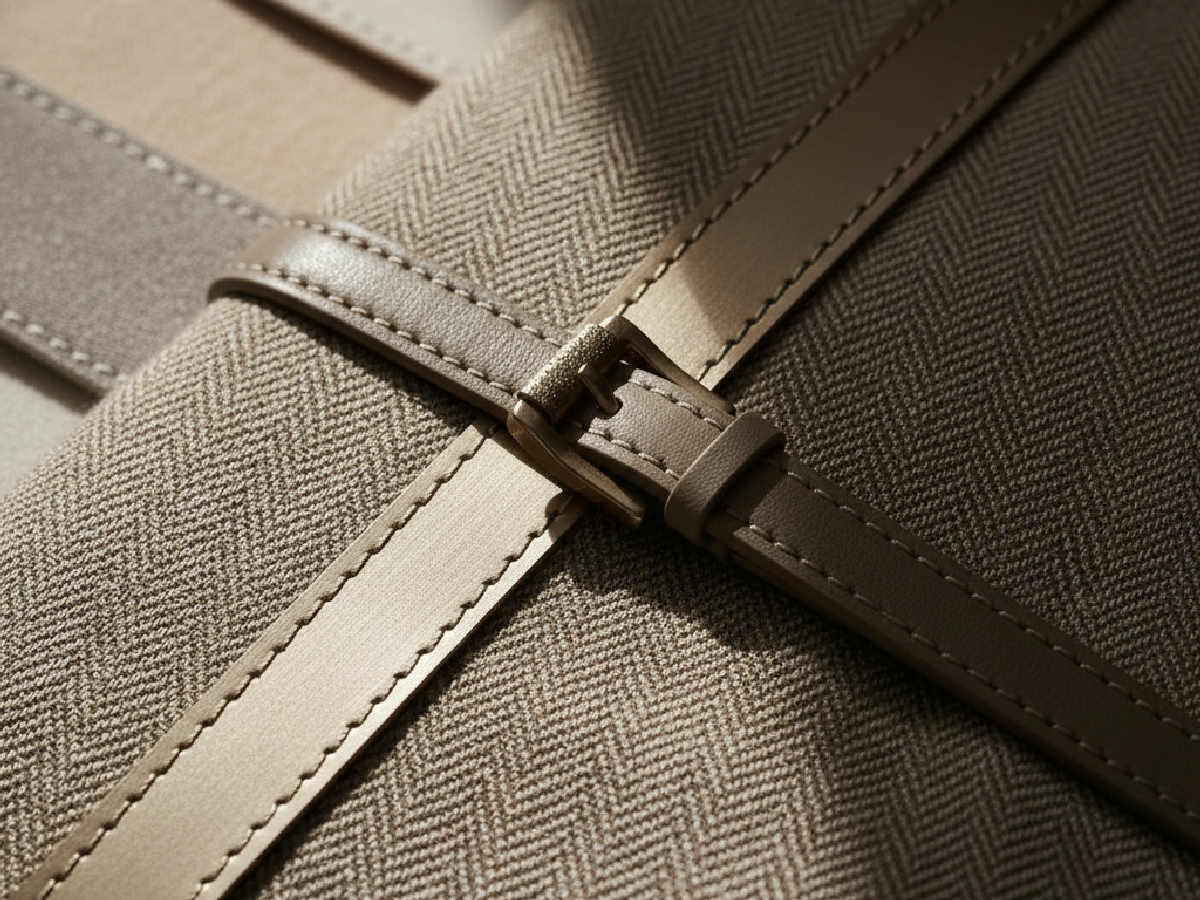
Table 1: A Comparison of AI Tooling for Professional Fashion Design

The term "production-ready" is used loosely in fashion tech. For an AI-generated concept to be truly production-ready, it must be more than an image. It must be a structured data package that connects directly to the manufacturing supply chain. This is the critical workflow that generic tools completely ignore. Moving from a generated visual to a purchase order requires a minimum of four distinct, data-rich layers.
First is componentization and style block intelligence. A true fashion AI understands that a shirt is not a monolith. It is a collar, a cuff, a placket, and a body. An effective system recognizes these components, links them to your existing style blocks, and allows designers to mix, match, and modify them. This ensures consistency and uses past successful designs, a core tenet of maintaining AI fashion brand DNA.
Second is material and trim mapping. The AI must be able to link a visual texture in a generated image to a specific SKU in your fabric library. When a designer selects a "heavy wool" visual, the system should associate it with an actual fabric that has a known supplier, price, width, and weight. This allows for immediate cost estimations and BOM (Bill of Materials) generation, grounding creative work in commercial reality from the very first click.
Third is the generation of technical specifications. This means outputting clean, vectorized 2D flat sketches with accurate callouts for seams, stitching, and hardware placement. It is the universal language of the factory floor. A JPEG is not a technical specification. A production-ready AI must be able to translate a 3D visual concept into the 2D engineering documents that manufacturers require.
Fourth and finally is data interoperability. The output cannot be a dead end. It must be a file, like a JSON or XML, that can be ingested by your PLM, ERP, or directly by a factory's planning software. This structured data package contains the complete recipe for the garment, from pattern piece identifiers to thread color codes, creating a true digital thread from concept to consumer.
For founders and product leaders evaluating AI tools, it is essential to ask the right questions. Focusing on image quality alone is a strategic error. Instead, focus on the tool's ability to ingest, protect, and operationalize your unique brand identity. Use this framework to cut through the marketing hype and assess a vendor's true capability.
Integrating a vertical AI platform that respects your brand DNA is a manageable, phased process. It is not about flipping a switch overnight. It is about systematically teaching a private model to think like your best designer. The process begins with consolidating and structuring your most valuable asset: your creative history.
First, conduct an audit of your design archive. This includes not just images of past collections but also the technical data: pattern files, initial sketches, BOMs, and sales data. Digitize everything you can. The goal is to create a comprehensive, structured dataset that represents the totality of your brand's aesthetic and commercial history. This is the foundational textbook from which your private AI will learn.
Next, define your core design pillars in a documented format. What are the 5-10 rules that govern your brand? This could include things like "natural fibers only," "no side seams on trousers," or "all outerwear must have an interior phone pocket." Articulating these rules creates the guardrails for the AI, ensuring its creative suggestions remain firmly on-brand.
Finally, begin with a focused pilot project. Do not try to boil the ocean. Select a single, well-understood category like denim or shirting. Use your audited archive and defined pillars for that category to train an initial model. Run the AI-assisted workflow parallel to your traditional process for one season. Measure the results not just in design speed, but in sample reduction, adherence to cost targets, and the preservation of your brand's core aesthetic. This proves the ROI and builds the internal case for wider adoption.
Your brand DNA is your most valuable asset in a crowded market. Stop diluting it with generic tools that make you look like everyone else. We built The F* Word to turn your unique creative intent into production-ready collections that are unmistakably yours. Start free at thefword.ai or book a demo.
The phrase "AI that learns your brand" gets used loosely. Two different layers of memory sit underneath it, and they protect different parts of the brand. Pattern memory is the model's recall of fit blocks, construction habits, and silhouette preferences. Workflow memory is the system's record of what the team has approved, rejected, and shipped across seasons. A tool that has one without the other will still produce taste drift, just from a different direction.

Brand DNA survives when both layers are present. The F* Word holds workflow memory across moodboard, tech pack, and sample rounds, so the same archive informs the creative brief and the production spec. For the full pillar view, see creative direction workflow and the sibling on pattern memory vs workflow memory.
The upfront investment in training a private model is offset by significant downstream savings. By generating production-aware concepts, brands see a 50-70% reduction in physical sample costs and weeks cut from the development calendar. The total cost of ownership is often lower than the hidden costs of using generic tools, which include wasted design time, endless revisions, and brand dilution.
Our platform operates on a single-tenant architecture. This means your brand's AI model and all associated data are hosted in a completely isolated, private cloud environment. Your data is never co-mingled, viewed by other clients, or used to train any public models. We provide contractual guarantees of data security and full IP ownership.
No. This is an augmentation tool, not a replacement. The goal is to eliminate tedious, low-value work like creating endless colorways or drafting basic flat sketches. This frees up your designers to focus on high-level creative direction, innovation, and perfecting the details that define your brand. It turns your creative director into the editor of an incredibly talented, on-brand creative team.
Vertical AI platforms ingest more than just product images. We train the model on your brand manifestos, marketing copy, consumer profiles, and campaign mood boards. The system learns the semantic concepts and abstract values that define your brand's "feeling," allowing it to generate concepts that are not just visually aligned but also emotionally resonant with your identity.
Related: AI Creative Direction workflow for fashion brands · How AI builds a fashion moodboard · Fashion design brief template
Get The F* Word workflow insights in your inbox.