
English
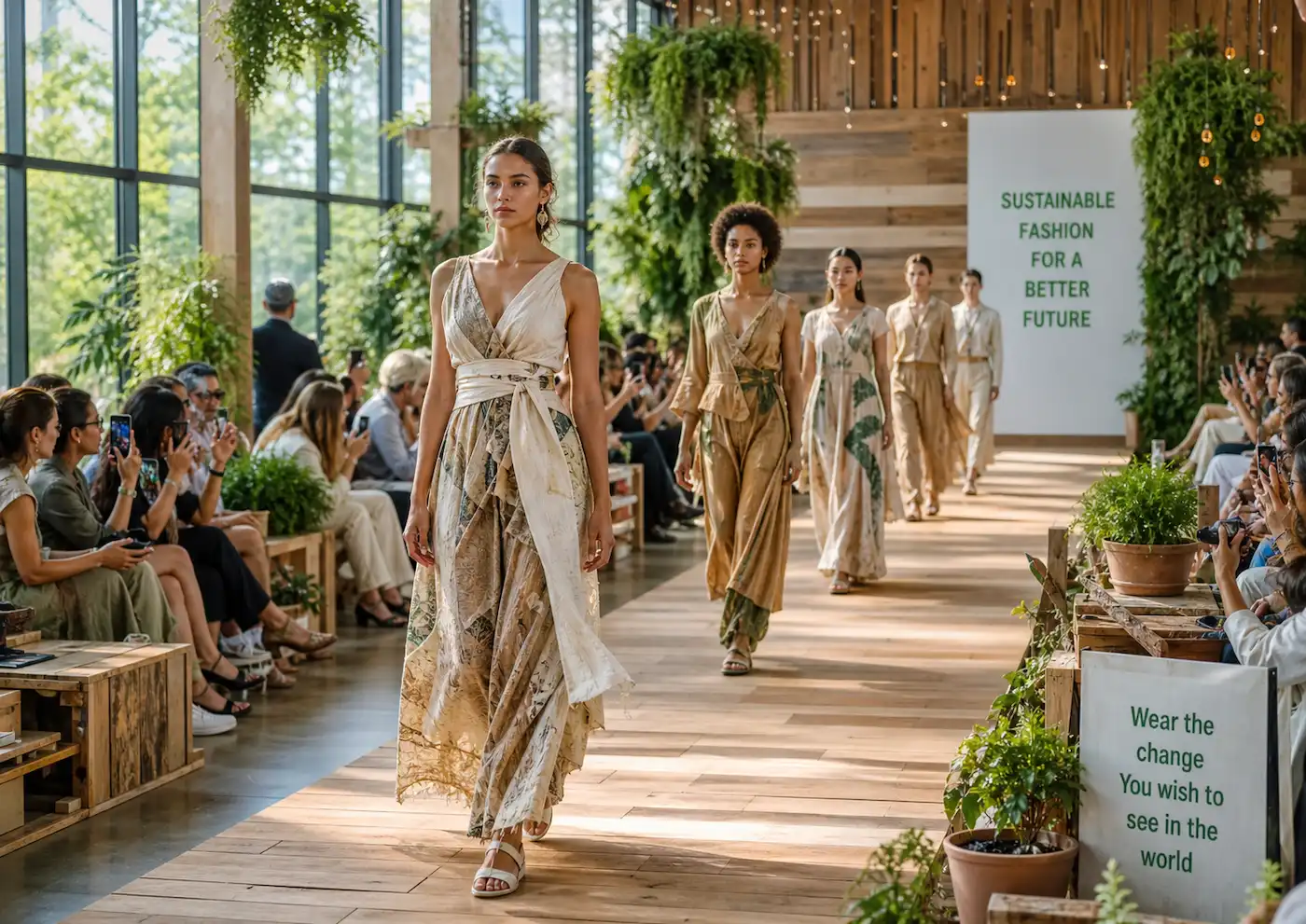
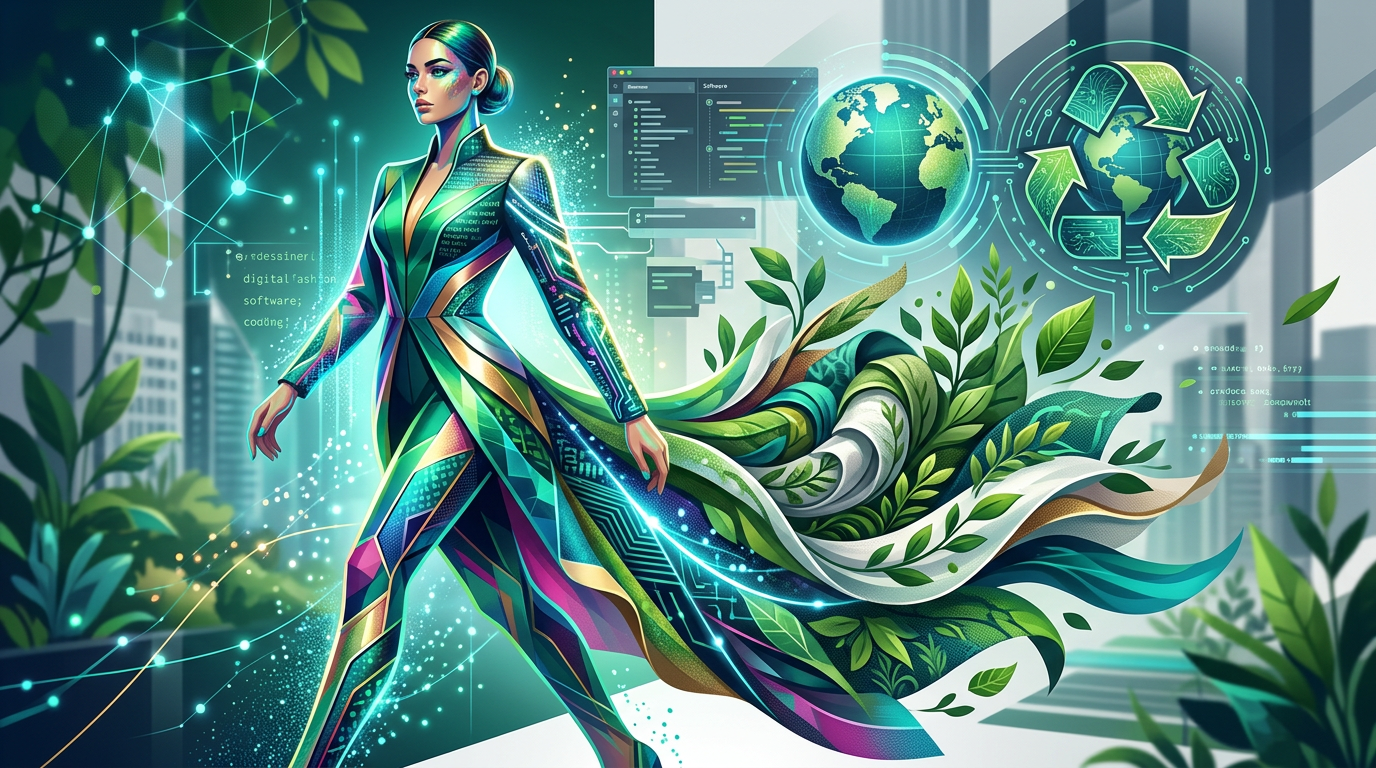
The fashion industry stands at a critical crossroads in 2026. As one of the world's most resource-intensive sectors, fashion accounts for approximately 10% of global carbon emissions and consumes trillions of liters of water annually. Yet a powerful solution is emerging: digital fashion sustainability. By using 3D design tools, AI-powered workflows, and virtual prototyping, brands can dramatically reduce their environmental footprint while maintaining creative excellence. This shift isn't just about being eco-conscious, it's about fundamentally reimagining how fashion is designed, validated, and brought to market.
Digital fashion is sustainable only when it changes operating behavior: fewer samples, fewer unnecessary shoots, better demand tests, and lower overproduction risk.
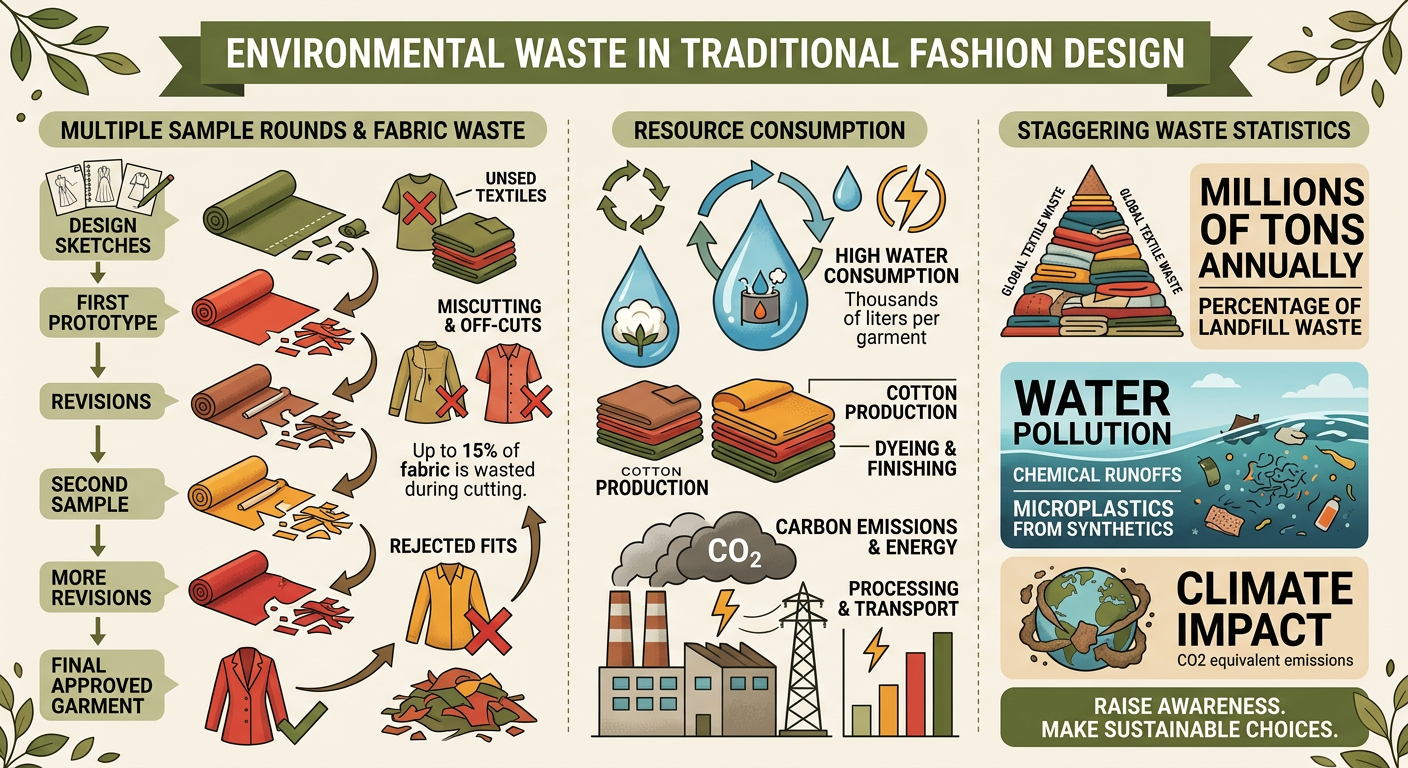
Traditional fashion workflows generate massive waste before a single garment reaches consumers, 3 to 5 physical sample rounds per style multiply across hundreds of SKUs into environmental catastrophe.
The design-to-production cycle typically requires multiple sample iterations, each consuming raw materials, dyes, water, and energy. A single failed sample represents wasted fabric, trims, labor hours, and shipping emissions. When you multiply this across a seasonal collection of 200-300 styles, the environmental toll becomes staggering. According to The Interline's sustainability research, substituting just 1% of physical clothing production with digital alternatives could save approximately 5 trillion liters of water annually and eliminate significant carbon emissions.
The problem extends beyond sampling into decision-making processes. Gut-feel design choices lead to overproduction, with 30-40% of inventory ending up marked down or in landfills. Studio photography happens after production commitments are made, creating expensive reshoots and additional waste when variants don't perform. Traditional workflows force designers to spend more time coordinating handoffs between teams than actually designing, leading to rushed decisions that compound environmental damage.
The AI clothing designer approach offers a fundamentally different path forward, one that validates concepts digitally before consuming physical resources.
Merchandiser? Ship a launch where the deck and the factory match.
The F* Word connects moodboards, tech packs and merchandising prep, so your launch story and the factory order tell the same story. Free to try.
Digital fashion sustainability eliminates physical processes entirely, replacing material-intensive sampling with virtual validation that cuts carbon emissions by 96%.
3D garment visualization allows designers to see fit, drape, and construction details without producing physical samples. Every seam, every fabric weight, every proportion adjustment happens in a digital environment first. This isn't about compromising quality, it's about making better decisions faster with less waste. AI-powered design tools generate multiple validated concepts in minutes rather than weeks, reducing the time and resources spent on iterations that never reach production.
Research published in ResearchGate's digital fashion study demonstrates that digital fashion production results in 96% less carbon dioxide emissions compared to traditional methods. This dramatic reduction comes from eliminating transportation of samples between offices and factories, reducing material waste from failed prototypes, and streamlining decision-making processes that previously required weeks of coordination.
The future of digital fashion design is already here. Leading brands are adopting these technologies across their workflows, not as experimental tools but as production-ready systems that deliver measurable environmental and financial returns.
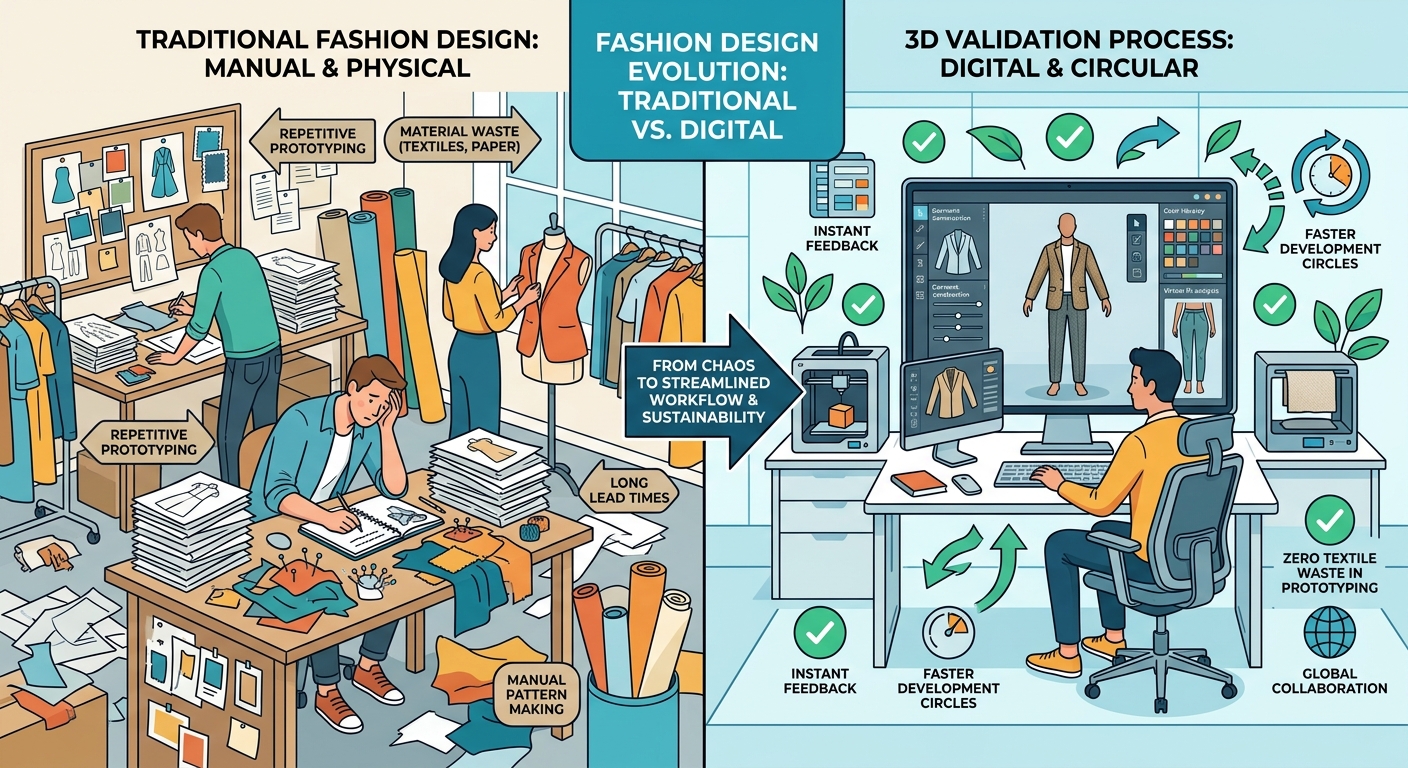
3D validation catches fit and drape issues before physical production, reducing sample rounds from 3-5 iterations to just 1-2 final confirmations.
Traditional workflows require multiple sample rounds to validate fit, construction, and aesthetic appeal. Each failed sample represents wasted fabric, trims, labor, and shipping emissions, costing brands $450 to $5,000 per style that doesn't work. For a 250-style collection, that's potentially $1.25 million in wasted resources before a single garment reaches stores.
3D validation technology transforms this process entirely. Designers adjust proportions, test different fabrics virtually, and validate construction details in a digital environment. Pattern makers see how changes affect drape and fit instantly, without cutting fabric. Technical designers identify construction issues before sending specifications to factories. This approach doesn't eliminate physical samples entirely, final validation still requires touching and wearing garments, but it reduces sampling by 75%.
The 3D fashion workflow positioned between concept and tech pack creates a validation checkpoint that prevents waste downstream. When teams catch fit issues digitally, they avoid the cascade of problems that traditional workflows create: rushed fixes, expedited shipping, and ultimately, styles that miss market windows or launch with quality issues.
AI accelerates design from weeks to minutes while enabling better decision-making through expanded creative exploration.
Artificial intelligence transforms the most time-intensive parts of fashion design. AI tools generate trend-informed design briefs that connect market data to creative direction. They create multiple concept variations instantly, allowing designers to explore 5-7 validated directions instead of betting everything on 1-2 gut-feel choices. They produce complete technical packages with bills of materials, construction specs, and grading specifications in 15 minutes instead of 16-20 hours of manual work.
This speed doesn't just save time, it fundamentally changes how decisions get made. When exploring multiple concepts costs nothing in time or resources, designers make data-informed choices rather than playing it safe with variations of last season's winners. The result is 60% less inventory risk because collections reflect validated market demand rather than creative hunches.
The AI for fashion design tech pack workflow ensures that only the most promising designs move to physical production. Every concept gets validated against trend data, brand DNA, and technical feasibility before consuming physical resources. This front-loaded validation reduces waste at the source, the most effective sustainability strategy possible.
Digital asset generation eliminates studio shoots, sample shipping, and post-production waste while enabling same-day market testing.
Traditional workflows require studio photography after production commitments are made. Brands shoot samples, wait for retouching, and launch marketing campaigns weeks after finalizing orders with factories. This rigid timeline creates expensive problems when variants underperform or market conditions shift. Reshoots require shipping samples again, booking studios, and recreating assets, all with significant environmental costs.
Digital fashion solutions generate on-model imagery directly from 3D assets, creating variant-rich content for every SKU before physical samples exist. This capability allows brands to test market response with realistic product imagery, create launch visuals, and produce marketing materials without the environmental cost of photo shoots. Same-day asset generation from 3D data means brands respond to trends faster while consuming fewer resources.
Virtual photography also solves a coordination problem that drives sustainability issues. When marketing teams can visualize products months before production, they make better decisions about which colorways to produce, which styles to feature, and how to allocate inventory across channels. This foresight prevents overproduction of variants that won't sell.
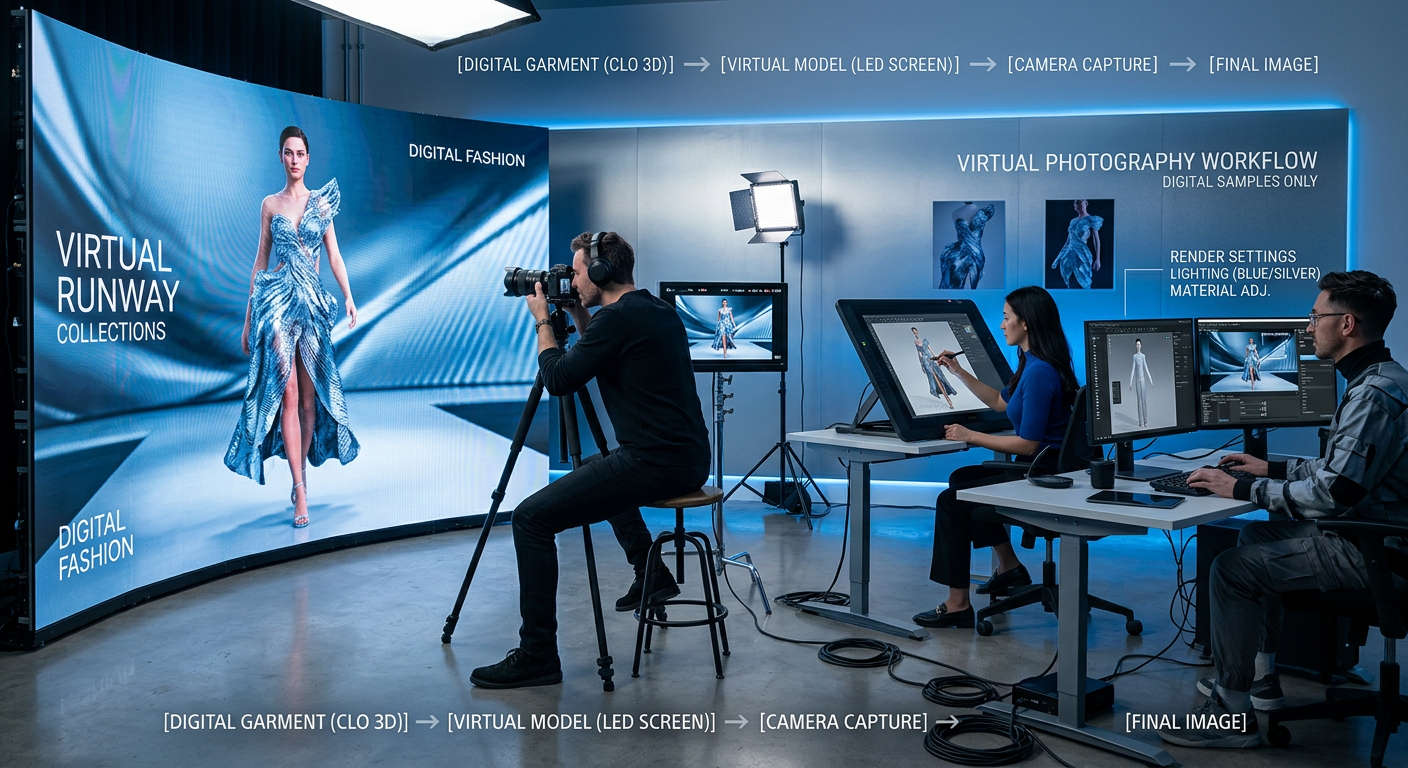
Disconnected tools waste more resources through coordination overhead than they save through individual efficiencies.
Individual digital tools provide value, but true sustainability impact comes from integrated workflows that connect creative direction, technical design, and merchandising. When these functions operate in separate systems, teams waste time recreating assets, managing version control, and coordinating handoffs. A trend brief created in one system gets manually recreated in 3D software, then manually translated into tech pack specifications, then manually converted into marketing briefs. Each handoff introduces delays, errors, and opportunities for misalignment.
Modern fashion workflow management systems cut lead times by 70% by creating a single source of truth from concept to launch. This integration enables trend-informed briefs to flow directly into 3D validation, which generates AI tech packs that feed into virtual photography, all without recreating assets or losing information between steps. The result is faster time-to-market with dramatically reduced environmental impact.
Integration also enables better decision-making throughout the process. When merchandisers see 3D visualizations during concept reviews, they make smarter assortment decisions. When technical designers work from AI-generated specs based on 3D models, they catch construction issues earlier. When creative directors can explore multiple validated concepts in the time traditional workflows allow for one, they make choices that reduce inventory risk and overproduction.
| Sustainability lever | Traditional workflow problem | Digital fashion improvement | Metric to track |
|---|---|---|---|
| Physical sampling | Multiple rounds consume fabric, trims, shipping, and labor | 3D validation reduces sample rounds before final approval | Samples per style |
| Concept validation | Teams commit to products before demand is tested | AI and virtual imagery allow faster concept testing | Approved concepts vs. dropped concepts |
| Tech pack creation | Manual specs create delays and factory questions | AI tech packs create structured BOM, POM, construction, and grading data | Factory questions per style |
| Marketing assets | Studio shoots depend on physical samples | Virtual photography creates assets from 3D files | Shoot days avoided |
| Inventory planning | Gut-feel buying increases markdown and waste | Data-informed assortment decisions reduce overproduction | Markdown rate and sell-through |
In 2026, fashion brands need concrete metrics that connect operational improvements to environmental outcomes.
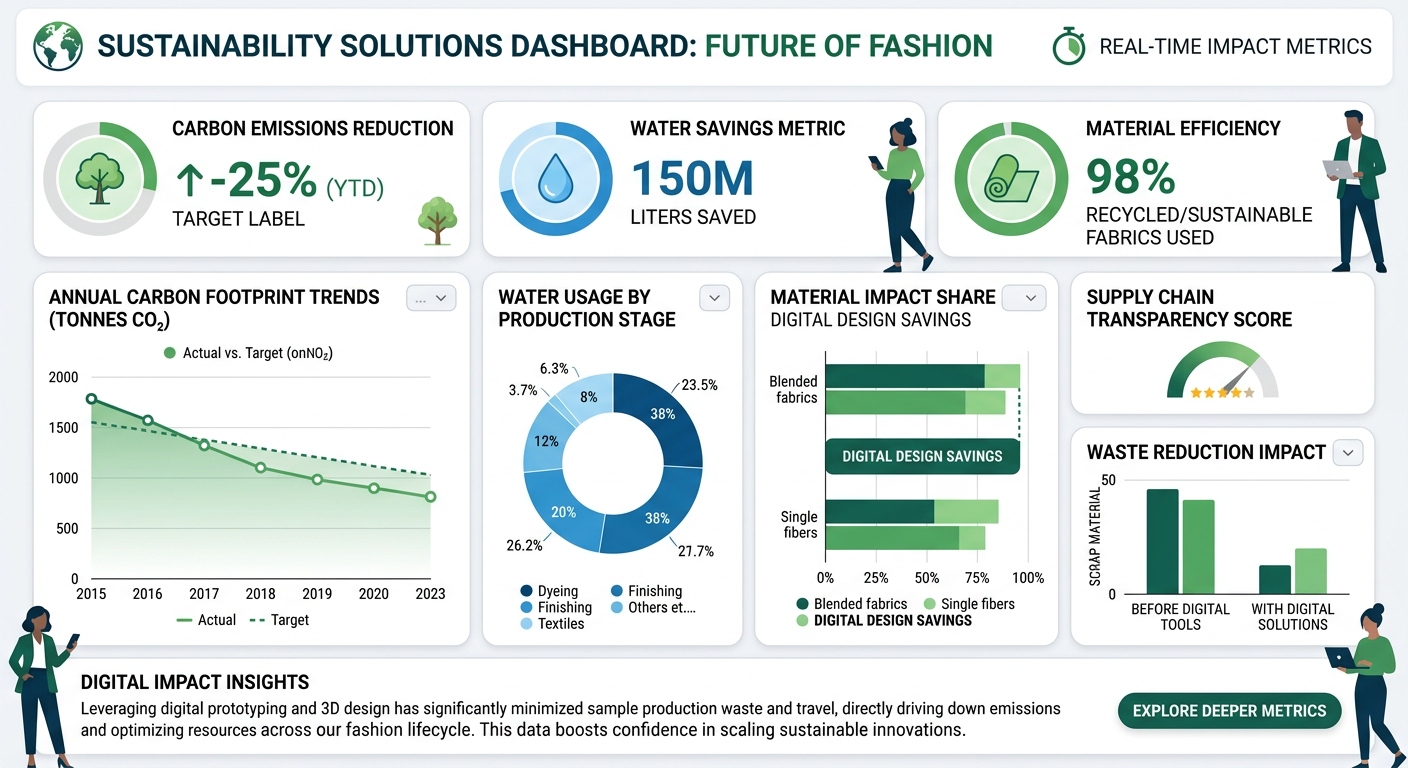
Digital fashion solutions provide measurable improvements across key environmental indicators. Track water consumption per style developed by calculating savings from eliminated sample rounds. Measure carbon emissions from sampling and shipping by comparing digital validation cycles to traditional physical processes. Calculate material waste from failed prototypes by counting samples that never reach production. Monitor overproduction rates by comparing inventory accuracy before and after implementing digital validation.
According to Forbes Agency Council's analysis, digital fashion can help end the "buy-Instagram-return" cycle by allowing consumers to visualize products more accurately before purchase, reducing return rates and the associated environmental costs. For brands, the metrics are equally compelling: 75% fewer physical samples, 96% reduction in design-phase carbon emissions, and 60% less inventory risk translate directly to both environmental and financial sustainability.
These aren't theoretical projections, they're operational realities that leading brands are already achieving. The key is implementing integrated systems that track metrics across the entire workflow, not just within isolated tools.
How does digital fashion reduce environmental impact?
Digital fashion eliminates unnecessary physical sampling rounds, reduces overproduction through earlier validation, and creates marketing assets without repeated photo shoots. By replacing physical processes with virtual ones, brands cut water consumption, carbon emissions, material waste, and shipping tied to development.
Can digital fashion still support creativity?
Yes. Digital tools expand creative options by allowing designers to explore more concepts in less time. 3D visualization and AI-powered design remove repetitive technical tasks, so designers can focus on silhouette, proportion, styling, color direction, and product storytelling.
What is the ROI of digital fashion sustainability?
Most brands see returns through reduced sampling costs, faster design cycles, lower reshoot costs, and better inventory decisions. The strongest ROI usually appears within 2 to 3 seasons, once teams connect 3D validation, AI tech packs, virtual photography, and merchandising decisions in one workflow.
Does digital fashion replace Adobe, CLO, or existing design tools?
No. Digital fashion platforms usually sit around those tools. Adobe and CLO help create assets; integrated workflow platforms connect those assets to creative briefs, AI tech packs, merchandising reviews, factory handoff, and launch content.
What sustainability metrics should fashion teams track?
Track samples per style, design cycle time, factory questions per style, markdown rate, return rate, shoot days avoided, and percentage of styles validated digitally before production. These operational metrics give a clearer view of environmental impact than vague sustainability claims.
Sustainability gets real when the workflow changes. Use AI to move from trend intake to concept, 3D validation, AI tech packs, and launch assets before the first physical sample burns budget, fabric, and time.
Start building cleaner pre-production workflows here.
Digital fashion sustainability represents more than incremental improvement, it's a fundamental transformation of how the industry operates. In 2026, brands that embrace integrated digital workflows gain competitive advantages in speed, cost, and environmental impact. By reducing physical samples by 75%, cutting design cycles from weeks to minutes, and validating concepts before committing to production, fashion companies meet both sustainability goals and business objectives.
The path forward requires moving beyond disconnected tools to integrated platforms that connect creative direction, technical design, and merchandising in a single workflow. This integration doesn't just make teams more efficient, it makes the entire industry more sustainable by eliminating waste at every stage from concept to launch. The technology exists today. The question is whether your brand will lead this transformation or follow it.
Digital Fashion Sampling: 2026 Guide to 3D Prototypes
A strong companion piece for teams reducing physical sample waste through 3D prototypes, digital validation, and cleaner pre-production decisions.
AI Tech Pack BOM, POM & Grading: How It Works
Best for teams that want to turn approved digital concepts into production-ready specs with structured BOMs, POMs, grading rules, and fewer factory questions.
AI Fashion Designer Solution: Turn Ideas Into Market-Ready Collections
A strong fit for the sustainability article because it connects AI ideation, 3D prototyping, sample reduction, AI tech packs, and lower-waste product development in one workflow. It was published on The F* Word site in 2026.
The F* Word Editorial · Fashion workflow team
Written by The F* Word editorial team. We build AI fashion workflow software grounded in thousands of industry-produced tech packs and proprietary garment records, so what reaches the factory is consistent, reviewed, and tied to design intent.
Once the concept is approved, the next steps move it from board to factory floor.
Related: Quick answer: ai photo studio vs ai fashion launch workflow
Get The F* Word workflow insights in your inbox.