English
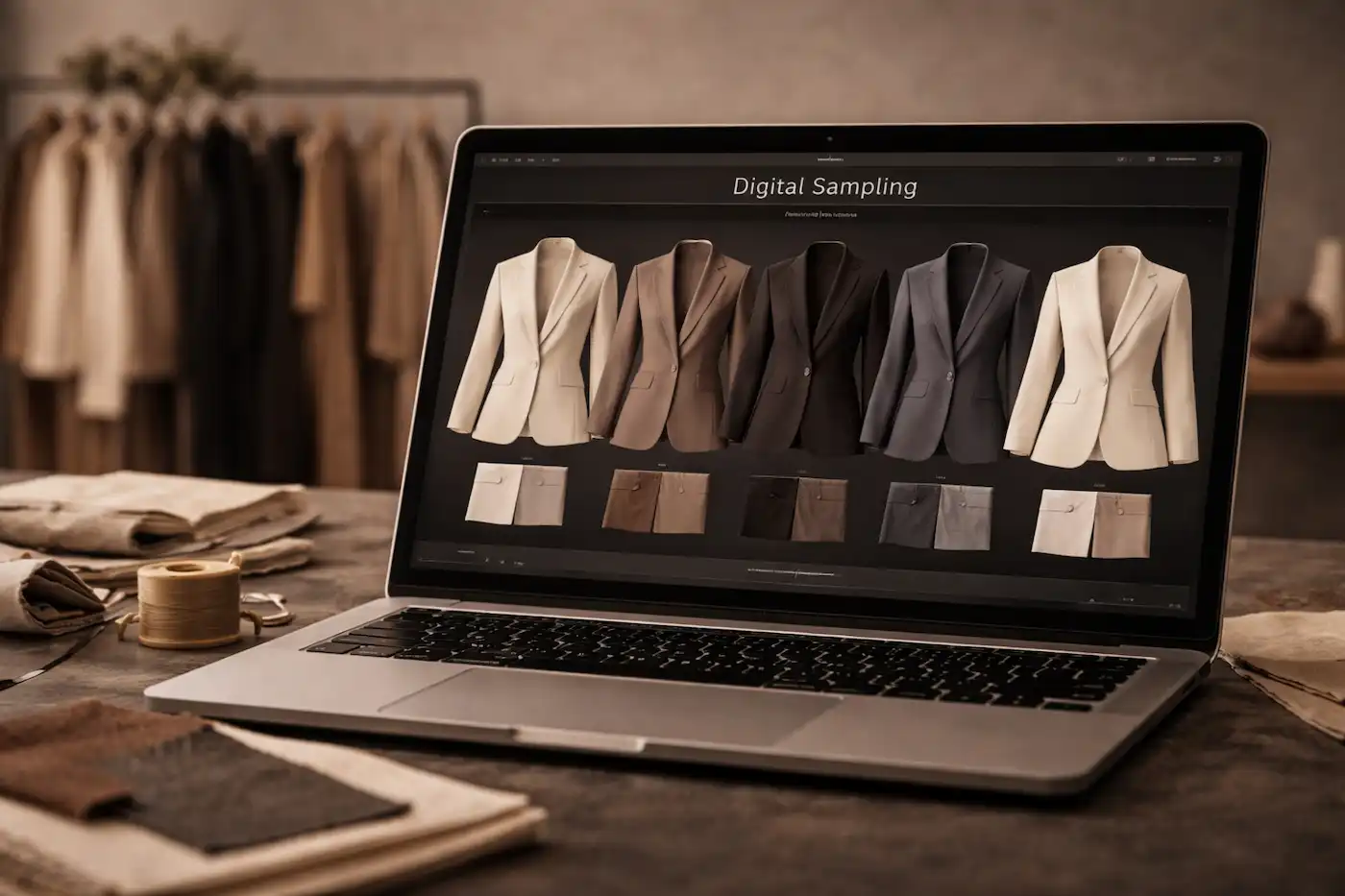
Digital sampling is the process of using true-to-life 3D models instead of physical prototypes to approve a garment's design for manufacturing. This method enables product development and merchandising teams to conduct virtual fit sessions and iterate on designs before committing to costly physical samples. This article breaks down how to integrate digital sampling into your pre-production calendar, from initial design review to creating a final tech pack. We cover the core components needed for accurate simulation, how it reduces material waste, and the direct impact on getting your apparel line ready for the factory floor.
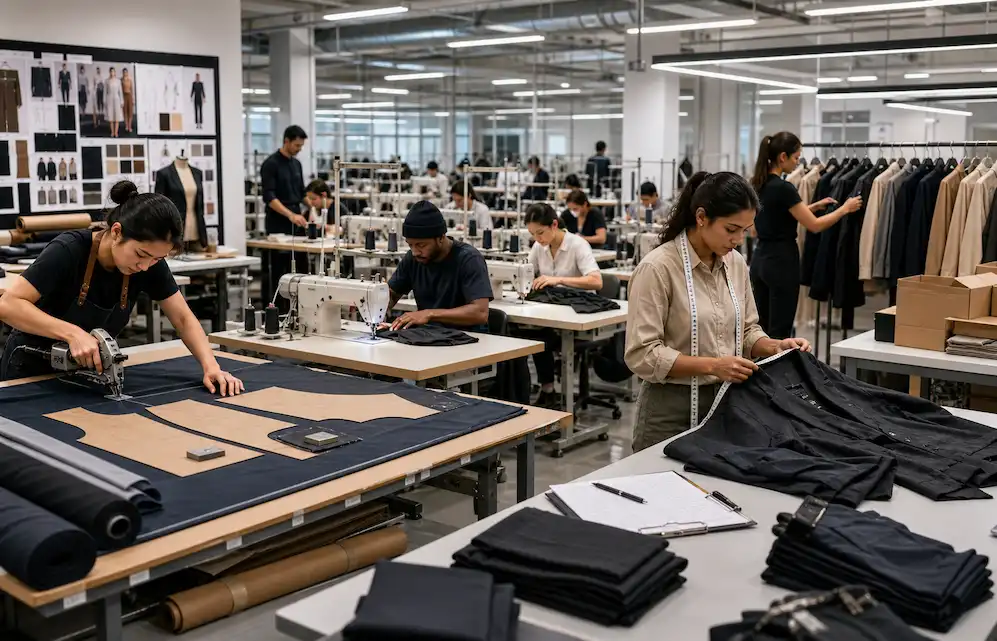
The traditional fashion production cycle is notoriously inefficient. A designer’s sketch is interpreted by a pattern maker, a physical sample is sewn, and then it’s shipped, often internationally, to the brand for review. The fit is off. The drape isn’t right. The color is a shade too dark. Each revision requires a new physical sample, adding weeks to the calendar and dollars to the budget. This linear and fragmented process is ripe for disruption, and that disruption is the digital sample, or what is more accurately termed a "digital twin."
A digital twin is more than just a 3D render; it's a data-rich, production-ready virtual counterpart of a physical garment. It is built from a 2D digital pattern, assembled virtually using scientifically accurate fabric physics, and fitted onto a precise digital avatar. Every aspect, from the stitch type and length to the fabric's weight, stretch, and drape, is simulated. The result is a photorealistic asset that can be rotated 360 degrees, viewed in motion, and stress-tested for fit and tension, all before a single piece of fabric is cut.
This shift allows brands to conduct multiple "sample rounds" in a single afternoon. Designers, pattern makers, and merchandisers can collaborate in real-time within a shared virtual environment, making instant adjustments to patterns, trims, and graphics. Instead of waiting for a package from a factory, a new version is rendered in minutes. This accelerates decision-making and democratizes the process, allowing for more creative iterations and risk-taking without the financial or environmental burden of physical waste. Embracing this workflow is a core principle behind the evolution of the modern AI fashion designer solution, which integrates these digital assets directly into the creative and technical design process.
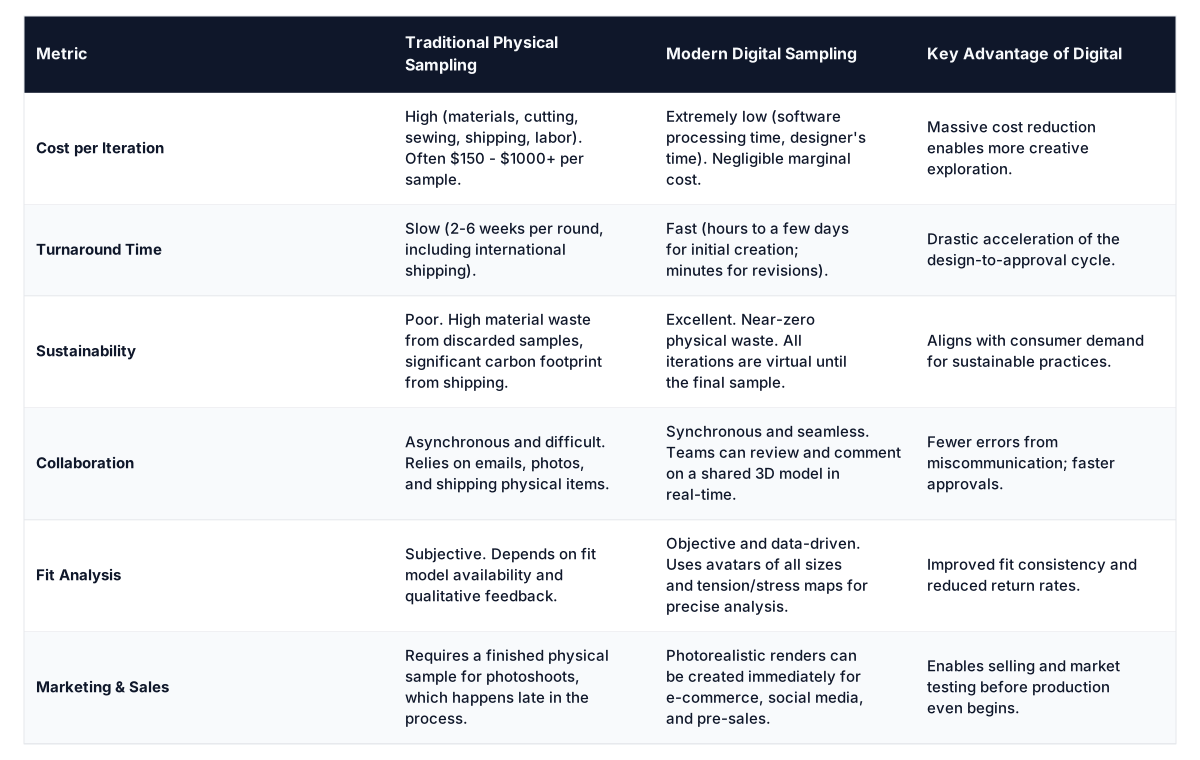
To truly grasp the impact of digital sampling, it's helpful to see a direct comparison with the traditional physical process. While physical samples still have a role, particularly in the final stages of pre-production, the advantages of a digital-first approach in the early and iterative phases are undeniable. The following table breaks down the key differences across several critical metrics for any fashion brand, from an indie startup to an established enterprise.
Comparison: Traditional Physical Sampling vs. Modern Digital Sampling
Technical designer? Cut sampling time before first fit.
The F* Word generates the tech packs, BOMs and sampling notes your factory actually needs. Plus a brand-aligned moodboard upstream. Free to try.
Transitioning to a digital sampling workflow involves integrating a series of specialized tools and processes. While it may seem daunting, the workflow logically follows the same steps as physical creation, just in a virtual environment. It breaks down into three fundamental stages.
A successful digital sampling program hinges on one word: realism. If the digital twin doesn't accurately represent the final physical product, it fails as a decision-making tool. This is where advanced material physics and AI play a pivotal role in bridging the gap between the virtual and the physical, ensuring that what you approve on screen is what you get from the factory.
The foundation of realism is the digital material library. It’s no longer enough for a fabric to just look like denim; it must behave like denim. This requires capturing its physical properties. Fabric digitization hardware (like those from Vizoo or Browzwear's Fab) measures key attributes: weight (GSM), thickness, bend, stretch, and friction. This data is compiled into a digital material file (e.g., U3M format), which the 3D software's physics engine uses to simulate drape and movement with incredible accuracy. Building a trusted library of a brand's core fabrics is a critical first step for any serious digital sampling initiative.
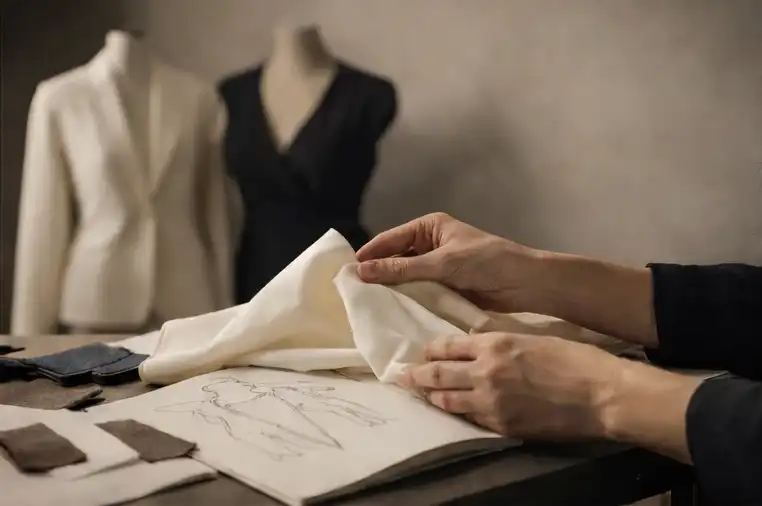
Artificial intelligence then elevates this foundation to the next level. AI algorithms are increasingly used to:
Adopting digital sampling is a strategic shift, not just a software purchase. To determine if your brand is ready to make the leap, consider these four key areas:
1. Team Skills and Mindset: Do you have team members with 3D design skills, or are you willing to invest in training? The most successful adoptions happen when brands foster a culture of digital curiosity. This often involves upskilling existing technical designers and pattern makers who already understand garment construction. A "3D champion" within the team can drive adoption and demonstrate value to other stakeholders.
2. Technology and Infrastructure: Digital sampling requires investment in software (CAD, 3D prototyping) and hardware (powerful computers). Evaluate the total cost of ownership, including subscriptions, training, and potentially a fabric scanner. Start small. A single license can be used to run a pilot program on a single product category to prove ROI before scaling across the organization.
3. Product Complexity and Volume: The business case for digital sampling is strongest for brands with high-volume or complex products. If you are creating dozens of colorways for a single style, digital rendering saves enormous resources. If you design technically complex garments like outerwear or lingerie, virtual fit simulation can solve intricate construction challenges much faster than physical prototyping.
4. Supply Chain Collaboration: How will your manufacturing partners react? Early and open communication is crucial. Frame the digital sample not as a replacement for their expertise, but as a tool for clearer communication. Provide them with detailed 3D turntables, construction animations, and the AI-generated tech pack. Start with a trusted factory partner on a pilot project to build confidence and refine the collaborative workflow. When factories see that digital samples lead to fewer errors and clearer instructions, they quickly become advocates.
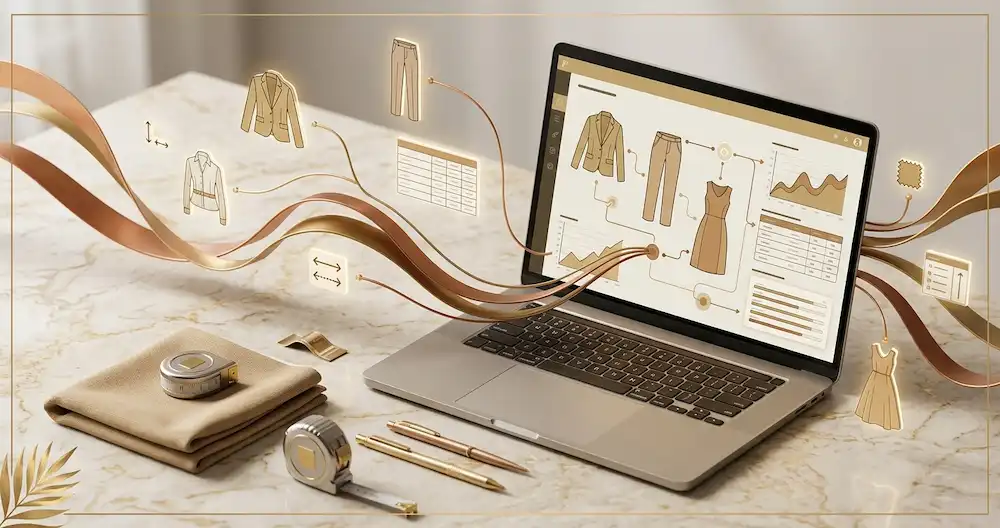
By using the power of digital twins, AI-driven insights, and collaborative workflows, brands can move beyond the limitations of the past. Thefword.ai is leading in this revolution, integrating generative AI with production-ready digital sampling to create a smooth path from concept to consumer.
A 3D render can be a purely artistic visualization, like a model created in Blender, that looks good but has no connection to a real-world pattern or construction. A true digital sample, or digital twin, is fundamentally different. It is built from a production-ready 2D CAD pattern, uses accurate fabric physics, and contains all the data (stitching, materials, grading) needed for manufacturing. It's a design, engineering, and data asset, not just a pretty picture.
Not completely, but it can drastically reduce the number needed. Most brands adopt a 90/10 approach. Around 90% of the iterative design, fit, and colorway approvals are done digitally. This eliminates 3-5 rounds of physical samples. However, most brands still require one final physical sample, a Pre-Production Sample (PPS), to confirm the final feel, finish, and quality before committing to bulk production. The goal is "one and done" sampling.
A typical professional workflow involves three core components: a 2D CAD program for pattern making (like Gerber AccuMark or Lectra Modaris), a 3D virtual prototyping tool for assembly and simulation (like Clo3D or Browzwear), and a platform to manage the assets and workflow. Platforms like thefword.ai are emerging to integrate these steps, connecting AI design generation directly to the creation of these production-ready digital assets.
The key is to demonstrate that digital samples provide superior communication. Instead of ambiguous photos and comments, you provide a clear, data-rich package. Start with a pilot project with a trusted manufacturing partner. Share not just static images, but 360-degree video turntables, detailed construction callouts on the 3D model, and a perfectly synchronized tech pack. When factories see that this clarity reduces their own rework and questions, they will embrace the change.
The F* Word Editorial · Fashion workflow team
Written by The F* Word editorial team. We build AI fashion workflow software grounded in thousands of industry-produced tech packs and proprietary garment records, so what reaches the factory is consistent, reviewed, and tied to design intent.
Once pre-production is locked, these are the steps that get the collection to market.
Related: AI measurement chart automation
Get The F* Word workflow insights in your inbox.