.png)
English
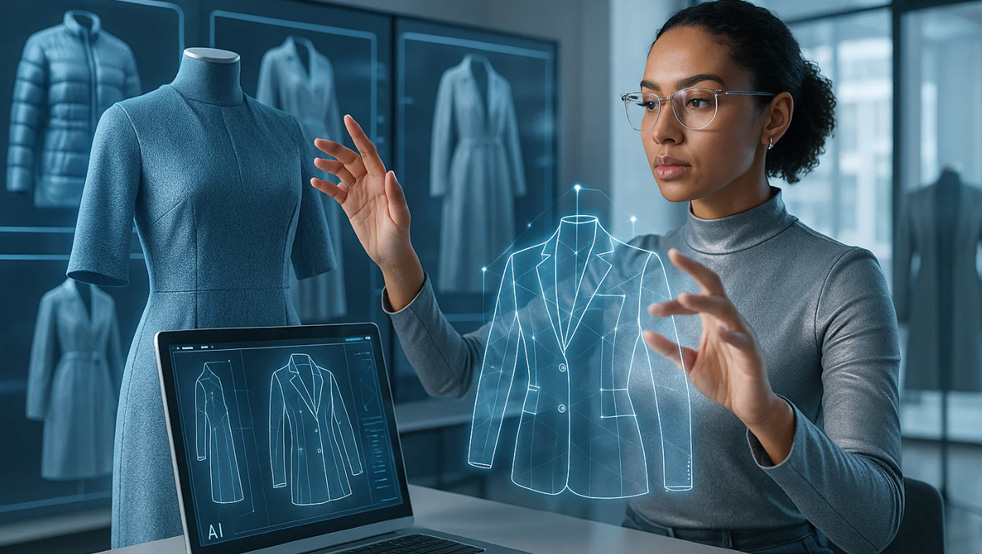
The fashion industry is undergoing a seismic shift with the advent of Agentic AI Fashion, a revolutionary approach that integrates artificial intelligence as an active participant in the creative process. This innovation is not merely about using AI as a tool; it’s about empowering AI to independently design, curate, and predict fashion trends, fundamentally altering traditional methodologies.
By harnessing advanced machine learning algorithms, Agentic AI Fashion is reshaping how fashion is conceptualized, produced, and consumed. It offers a more personalized and efficient ecosystem. This transformation is driven by AI’s ability to analyze vast datasets — including historical trends and consumer preferences — to generate unique designs that resonate with market demands while pushing creative boundaries. As the industry embraces this new era, the potential for innovation, personalization, and sustainability becomes limitless, promising a future where fashion is more inclusive and attuned to individual needs.

Agentic AI Fashion represents a groundbreaking intersection of artificial intelligence and the fashion industry, where AI systems are not just tools but active participants in the creative process. This innovative approach leverages machine learning algorithms to autonomously design, curate, and predict fashion trends, offering a dynamic shift from traditional methods.
The term “agentic” refers to AI’s ability to act independently, making decisions and creating outputs that were once the domain of human designers. This evolution in technology is reshaping how fashion is conceptualized, produced, and consumed, leading to a more personalized and efficient ecosystem.
At the core of Agentic AI Fashion is its ability to analyze vast datasets — from historical fashion trends and consumer preferences to cultural influences. By processing this information, AI can generate designs that align with market demand and encourage creative experimentation. Moreover, AI’s predictive analytics can forecast upcoming trends with remarkable accuracy, allowing designers and brands to stay ahead of the curve.
Additionally, Agentic AI Fashion is transforming how fashion is personalized. Through sophisticated algorithms, AI can tailor designs to individual preferences, body types, and occasions. This level of customization, once impossible at scale, now enables bespoke fashion experiences for broader audiences. Consumers can enjoy clothing that fits perfectly and aligns with their style and values, enhancing overall satisfaction and engagement.
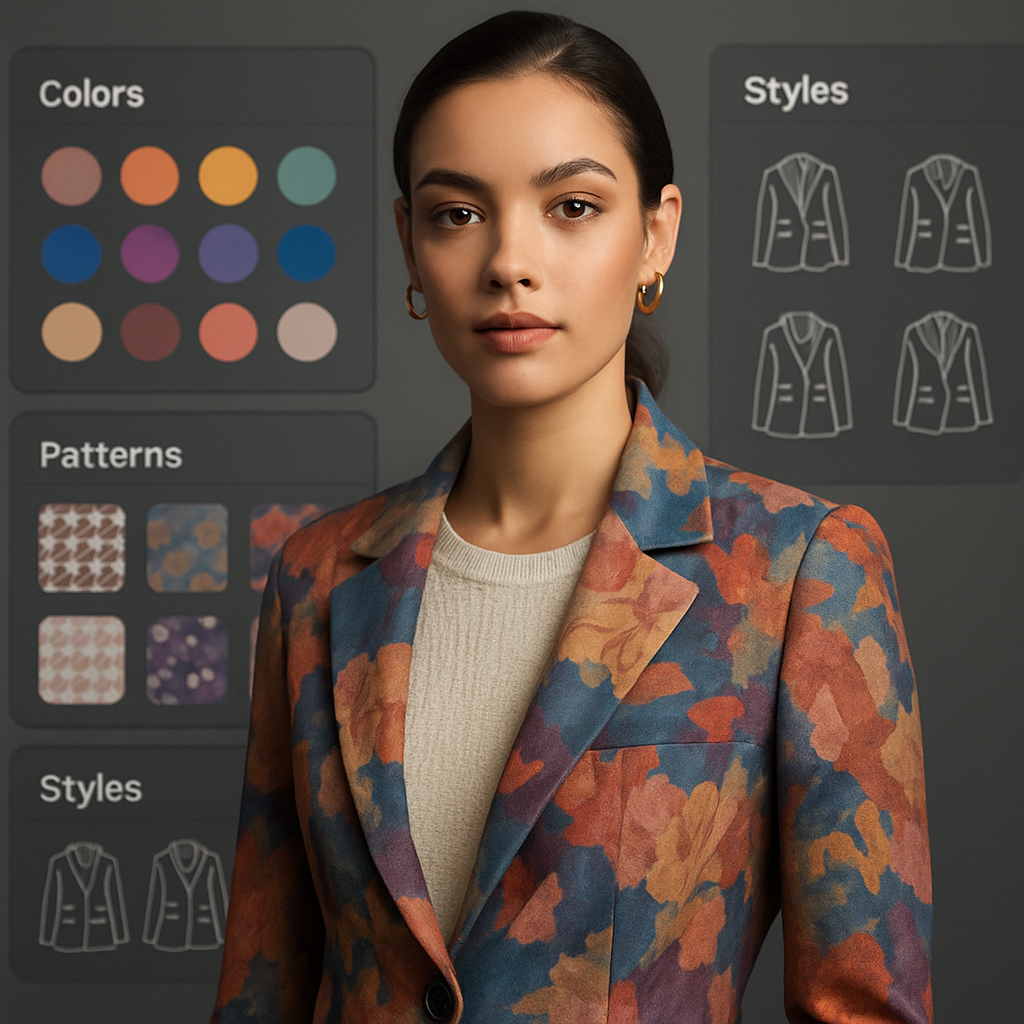
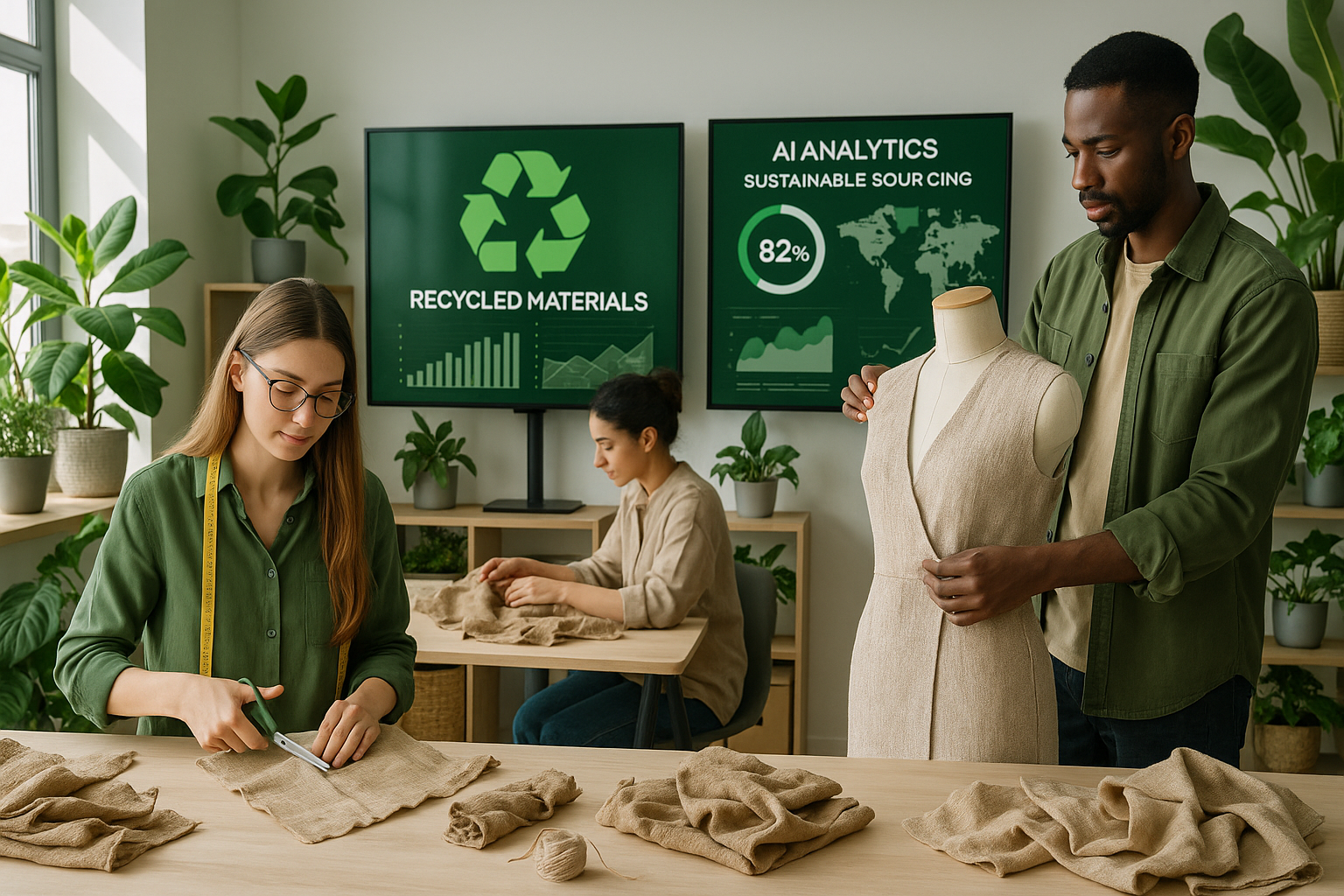
The integration of AI in fashion also addresses some of the industry’s most pressing challenges, such as sustainability and waste reduction. By optimizing supply chains and predicting demand more accurately, AI helps minimize overproduction and its environmental impact.
In addition, AI-driven design processes can use sustainable materials more efficiently, promoting eco-friendly practices within the industry. This shift towards sustainability is increasingly vital as consumers become more conscious of their environmental footprint.
Agentic AI Fashion is not without challenges and ethical considerations. The reliance on AI for creative processes raises questions about the role of human designers and the preservation of craftsmanship. There are also privacy concerns, since AI systems need access to large datasets to function effectively. Balancing innovation with ethical responsibility is essential as the industry navigates these frontiers.
Ultimately, Agentic AI Fashion is redefining the landscape of the fashion industry by merging technology with creativity. It offers opportunities for innovation, personalization, and sustainability — while also introducing challenges that demand thoughtful navigation.
Agentic AI Fashion is not just a technological advancement; it represents a shift in how we perceive and interact with style. This approach suits a wide range of people and industries, each able to harness its potential in unique ways.
Designers and Brands: For visionaries, Agentic AI Fashion offers data-driven creativity and unique, tailored designs. By analyzing consumer behavior and predicting trends, designers can craft collections that align with evolving tastes and increase customer satisfaction.
Retailers: In a world of high consumer expectations, personalized shopping experiences are essential. AI helps retailers curate collections for specific audiences, reducing waste and improving efficiency. It also enhances operations — from supply chain management to customer service.
Consumers: Everyday fashion lovers can benefit too. AI acts as a personal stylist, suggesting looks based on preferences, body type, or mood. This empowers users to explore new styles confidently while making eco-conscious choices.
Educators: Fashion schools can integrate AI-driven design into their programs to prepare students for a tech-powered industry. Graduates will be better equipped to innovate and adapt in an evolving market.
Tech Innovators: AI companies collaborating with fashion brands can unlock new solutions, advancing both industries and creating space for growth and creativity.
In essence, Agentic AI Fashion is a versatile tool for designers, retailers, consumers, educators, and tech leaders alike. It enhances creativity, efficiency, and personalization across the fashion ecosystem.
Agentic AI Fashion offers benefits that go far beyond traditional design methods.
Personalization: AI can analyze individual preferences and body types to deliver tailored recommendations. This improves brand loyalty and customer satisfaction.
Sustainability: By predicting demand, AI minimizes overproduction and waste. It also supports eco-friendly materials and efficient supply chains.
Efficiency: Automation reduces production time from concept to market. Designers can generate multiple prototypes quickly, enabling faster responses to trends.
Creativity: AI reveals new design possibilities by uncovering hidden data patterns and visual inspiration, helping human designers innovate more boldly.
Enhanced Shopping Experience: Virtual try-ons and AI chat assistants improve convenience while reducing returns — benefiting both consumers and retailers.
Together, these benefits transform how fashion is designed, produced, and experienced.
Embarking on your Agentic AI journey starts with understanding its potential. Begin by evaluating your current digital tools and identifying areas where AI can add value. Define clear goals — such as increasing sales, improving customer engagement, or streamlining design — to guide your strategy.
Next, focus on your data. AI thrives on accurate and well-organized information. Gather and structure customer preferences, purchase data, and design trends. Maintaining data quality will ensure your AI delivers relevant insights.
It’s equally important to train your team. Educate staff through workshops and encourage them to experiment with AI tools. Fostering a culture of innovation ensures the technology’s full adoption and success.
Finally, monitor and evaluate performance regularly. Use clear metrics to track progress and make improvements as needed. The fashion industry evolves quickly, so staying agile helps brands maximize AI’s benefits and stay competitive.
Timing the Trends: When to Embrace Agentic AI Fashion
Timing is essential in fashion, and adopting Agentic AI at the right moment can make a significant difference. The best times include:
By aligning AI adoption with these moments, brands can stay ahead of the competition and adapt quickly to market changes.
Agentic AI Fashion is available across multiple platforms and tools. Fashion apps now offer AI-driven outfit recommendations, while e-commerce giants like Amazon and ASOS personalize shopping with predictive suggestions.
On social media, platforms like Instagram and Pinterest use AI for style discovery and product matching. In retail, smart mirrors and virtual fitting rooms enhance the in-store experience. Even fashion blogs are adopting AI to curate personalized content for their readers.
These tools showcase how technology bridges creativity, commerce, and consumer engagement in exciting new ways.
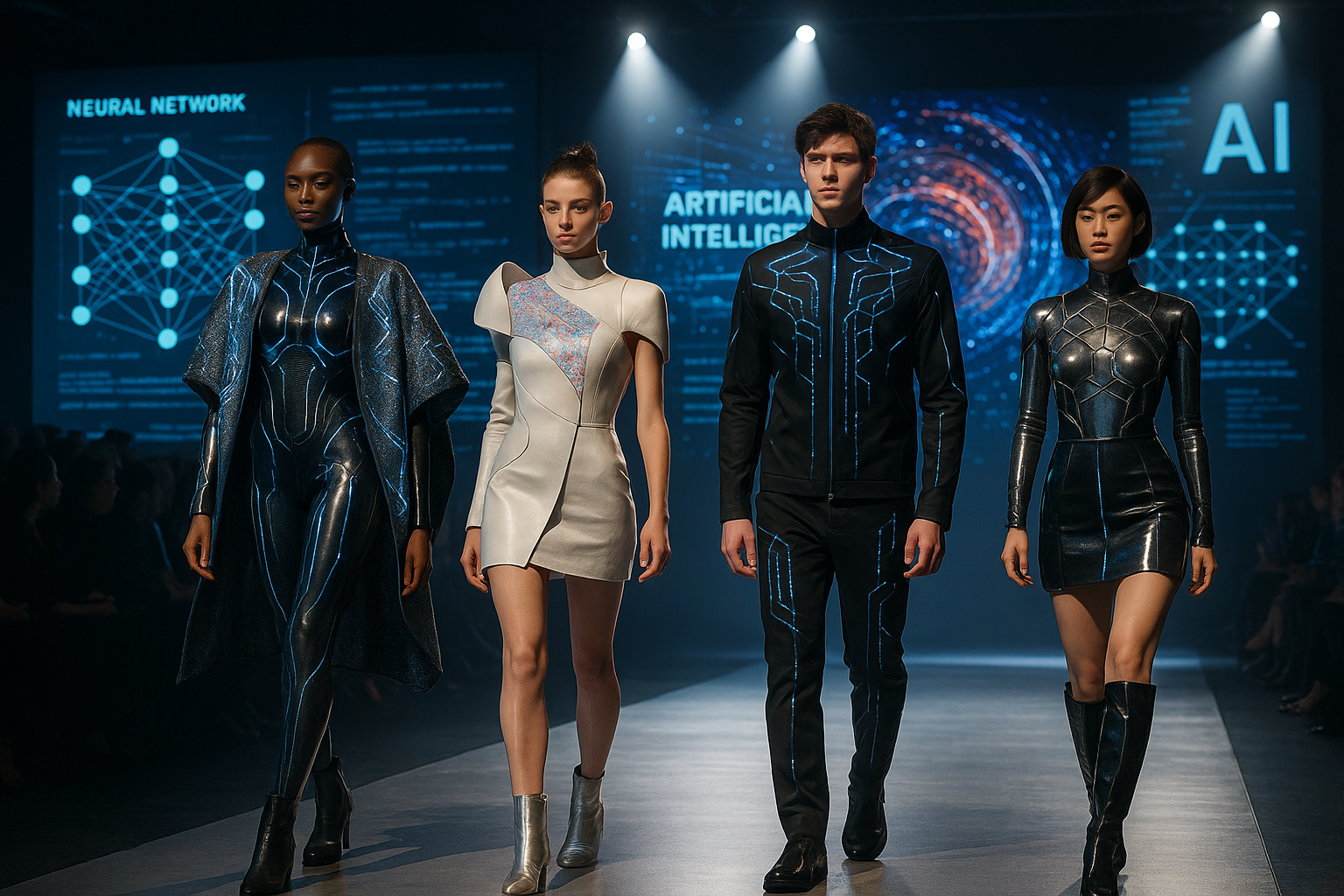
Social media platforms are another exciting avenue for exploring Agentic AI Fashion. Instagram and Pinterest, for example, are utilizing AI to transform the way users discover and engage with fashion content. Through advanced image recognition technology, these platforms can identify clothing items in photos and suggest similar products available for purchase. This creates a seamless bridge between inspiration and acquisition, allowing users to effortlessly transition from admiring a look to owning it. Additionally, AI-driven chatbots on these platforms can provide real-time fashion advice, making the experience interactive and engaging.Retail stores are not left behind in this digital transformation. Many brick-and-mortar shops are adopting AI technologies to enhance the in-store experience. Smart mirrors and virtual fitting rooms are becoming increasingly common, allowing customers to try on clothes virtually and receive instant feedback on fit and style. This integration of Agentic AI not only streamlines the shopping process but also reduces the need for physical inventory, making it a sustainable option for retailers.Finally, fashion blogs and online magazines are embracing Agentic AI to deliver content that is both relevant and personalized. By analyzing reader preferences and engagement patterns, these platforms can tailor their content to suit individual interests, ensuring that readers receive the most pertinent fashion news and advice. This personalized content delivery keeps readers engaged and informed, fostering a deeper connection with the brand.In summary, the integration of Agentic AI in fashion is creating a more personalized, efficient, and engaging experience for consumers. Whether through apps, e-commerce sites, social media, retail stores, or online publications, the opportunities to explore and benefit from this technology are vast and varied. As the fashion industry continues to evolve, embracing these platforms will be key to staying ahead in the ever-changing world of style.
Agentic AI Fashion is revolutionizing the way we perceive and interact with the fashion industry. As this innovative technology continues to evolve, many people have questions about its implications, applications, and potential. Below, we delve into some of the most frequently asked questions to provide a comprehensive understanding of this fascinating intersection between artificial intelligence and fashion.
Agentic AI Fashion refers to the use of artificial intelligence systems that possess a degree of autonomy, enabling them to make decisions and perform tasks without constant human intervention. In the context of fashion, these AI agents can analyze trends, predict consumer preferences, and even design clothing. By leveraging vast datasets, these systems can identify patterns and insights that might be missed by human designers, leading to innovative and personalized fashion solutions.
The design process in fashion has traditionally been a human-centric endeavor, relying heavily on the creativity and intuition of designers. However, Agentic AI introduces a new dimension by providing data-driven insights that can enhance creativity. AI can analyze historical fashion trends, consumer behavior, and social media activity to forecast future styles. This allows designers to create collections that are not only trendy but also aligned with consumer desires. Moreover, AI can generate design prototypes, offering a starting point for designers to refine and personalize, thus streamlining the creative process.
One of the most significant advantages of Agentic AI in fashion is its ability to personalize consumer experiences. By analyzing individual preferences, purchase history, and even biometric data, AI can recommend clothing that suits a person's style, size, and even mood. This level of personalization enhances customer satisfaction and loyalty, as consumers feel understood and valued. Retailers can also use AI to create personalized marketing campaigns, ensuring that the right message reaches the right audience at the right time.
As with any technology, the use of Agentic AI in fashion raises several ethical considerations. Privacy is a major concern, as AI systems often require access to personal data to function effectively. Ensuring that this data is collected and used responsibly is crucial. Additionally, there is the question of job displacement. While AI can enhance efficiency and creativity, it may also reduce the need for certain roles within the industry. Balancing technological advancement with human employment is a challenge that the fashion industry must navigate carefully.
Sustainability is a growing concern in the fashion industry, and Agentic AI offers promising solutions. By optimizing supply chains, AI can reduce waste and improve resource management. Predictive analytics can help brands produce only what is needed, minimizing overproduction and excess inventory. Furthermore, AI can assist in developing sustainable materials and processes, contributing to a more eco-friendly fashion ecosystem. As consumers become more environmentally conscious, the integration of AI in promoting sustainability will likely become a key differentiator for brands. Agentic AI Fashion is not just a technological advancement; it represents a paradigm shift in how fashion is created, consumed, and perceived. As the industry continues to embrace these innovations, understanding the nuances and implications of Agentic AI will be essential for both consumers and professionals alike.
Agentic AI Fashion is more than a technological breakthrough — it’s a creative evolution. By blending data, innovation, and artistry, it enhances personalization, efficiency, and sustainability. Although challenges remain, particularly around ethics and privacy, the rewards are transformative.
As designers, retailers, consumers, and educators embrace Agentic AI, fashion’s future becomes smarter, more sustainable, and deeply human — guided by both intelligence and imagination.
Further reading: Forbes - How AI is Transforming the Fashion Industry, Business of Fashion - AI Fashion Technology and Sustainability, Vogue - Fashion Tech and Sustainability
101 People Reading our Newsletter Right Now!
