.png)
English
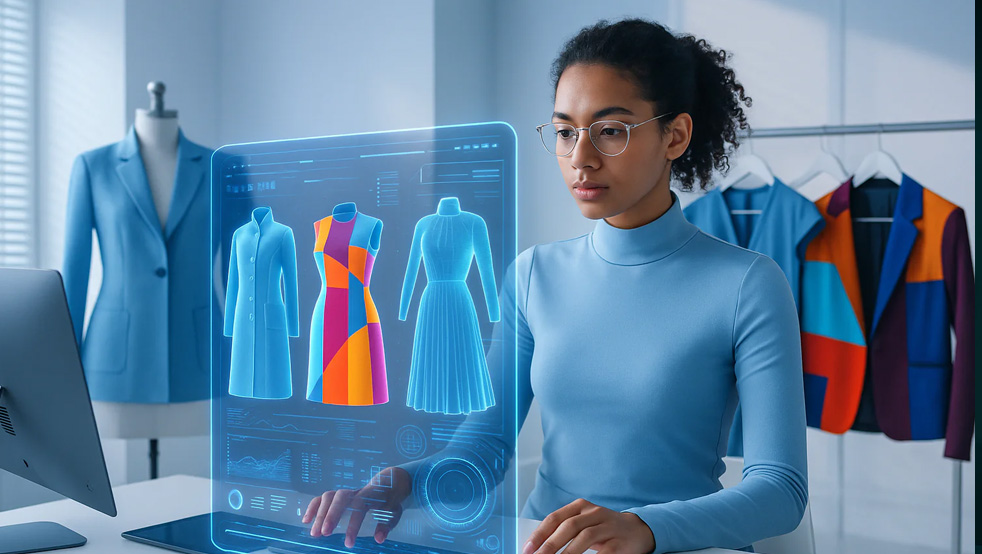
The fashion industry, once ruled by human creativity and intuition, is entering a new era. Agentic AI is reshaping how designers think, create, and sell. This technology isn’t just a tool—it’s an active collaborator that learns, adapts, and makes autonomous decisions.
Agentic AI in fashion introduces a smarter, faster, and more sustainable way to work. It brings precision to trend prediction, personalization, and production efficiency. Designers and brands can now respond to change in real time.
At its core, agentic AI describes systems that act independently, completing tasks without constant human input. In fashion, these systems analyze vast datasets, spot patterns, and even predict future styles. By processing information from social media, fashion shows, and consumer behavior, AI delivers insights that guide design choices. As a result, brands can create collections that align perfectly with evolving tastes.
One of agentic AI’s biggest impacts is personalization. Today’s consumers crave unique, tailored experiences, and AI delivers on that promise. By analyzing preferences and purchase history, AI suggests styles, colors, and fits that suit each individual.
This customization goes further than simple recommendations. AI can help design bespoke garments that reflect a customer’s identity, deepening their connection to a brand.
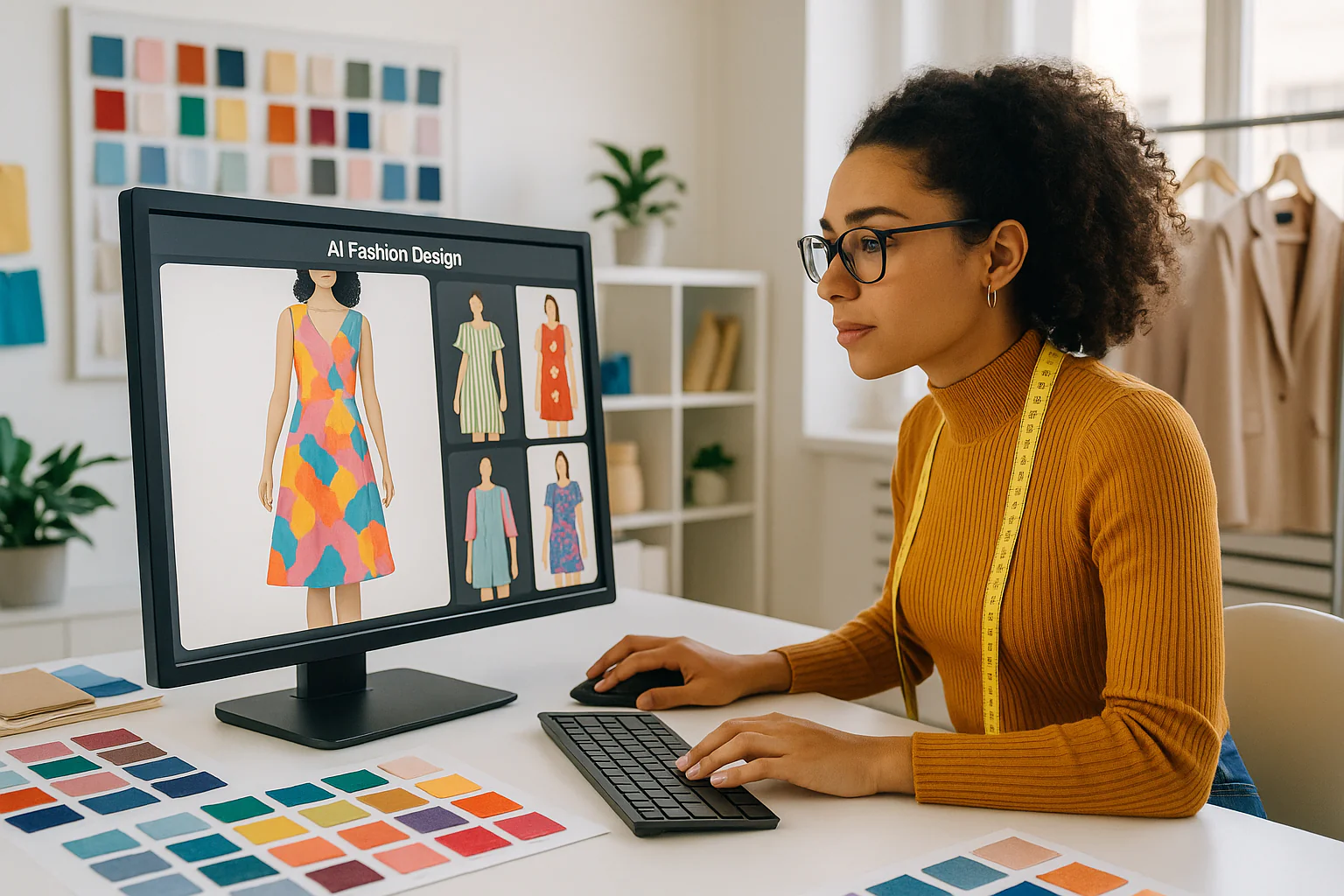
The integration of agentic AI into fashion enhances the creative process itself. Designers can collaborate with AI to explore new aesthetics and push the boundaries of traditional design. AI can generate patterns, suggest unconventional color combinations, and simulate how garments look and move on different body types.
This collaborative approach expands creative possibilities and democratizes design. It allows emerging designers to access tools and insights previously available only to established brands.

As agentic AI continues to evolve, its role in the fashion industry will expand. It offers new ways to engage with consumers and create meaningful, sustainable fashion. This technology is not merely a trend but a shift in how fashion is conceived and consumed. It promises a future where creativity and technology coexist harmoniously.
The fashion industry, a dynamic and ever-evolving landscape, is ripe for innovation. Agentic AI is at the forefront of this transformation. But who benefits the most from exploring this technology? The answer includes many stakeholders, each with unique motivations and potential gains.
Designers, both established and emerging, are among the main beneficiaries of agentic AI in fashion. For seasoned designers, AI offers a fresh perspective, helping them push creative boundaries and experiment with styles that might not have been possible through traditional methods. By leveraging AI’s ability to analyze data and predict trends, designers can stay ahead of the curve. Emerging designers can use AI to level the playing field. With limited resources, they can streamline design, optimize materials, and even simulate virtual shows. This reduces the need for costly physical prototypes.
Retailers and fashion brands also gain significantly from agentic AI. In an industry where consumer preferences shift rapidly, AI provides invaluable insights into purchasing behaviors and trends. By analyzing data from social media, reviews, and sales, AI helps retailers tailor offerings more accurately. This enhances customer satisfaction while reducing overproduction and waste. It also aligns with the growing demand for sustainable fashion practices. AI-driven personalization can revolutionize the shopping experience by offering customized recommendations and virtual fitting rooms. These tools increase engagement and boost conversion rates.
Agentic AI can also make production more efficient. It minimizes errors, reduces lead times, and improves overall output. AI can optimize inventory management, predict supply chain disruptions, and suggest alternative sourcing strategies. These capabilities create a more resilient and responsive supply chain.
Investors and venture capitalists should also take note of the potential of agentic AI in fashion. As the technology matures, it offers lucrative opportunities for investment in startups that are pioneering AI-driven fashion solutions. The potential for high returns is significant, given the increasing adoption of AI across the industry and the growing consumer appetite for personalized, innovative experiences.
Consumers themselves are key stakeholders in the rise of agentic AI in fashion. As the end users, they benefit from more personalized, sustainable, and creative options. AI empowers consumers to make better purchasing decisions, access unique products, and connect with brands in meaningful ways.
The exploration of agentic AI in fashion is not just for tech enthusiasts or industry insiders. It is a transformative force with benefits for all stakeholders, each poised to gain from a more efficient and consumer-centric industry.
Fashion, long celebrated for creativity and innovation, is now undergoing a profound transformation. The integration of agentic AI represents more than a technological upgrade—it’s a reimagining of how fashion is conceived, produced, and consumed.
One of the biggest benefits of agentic AI is its ability to enhance creativity. Designers are no longer limited by traditional tools or their own creative blocks. With AI, they can explore endless combinations of patterns, colors, and styles. AI algorithms analyze vast datasets of trends, consumer preferences, and historical designs. These insights inspire groundbreaking creations and enable a new era of innovation. The relationship between human creativity and machine intelligence opens limitless possibilities.
Another major advantage is sustainability. The fashion industry has long been criticized for its environmental impact. Agentic AI offers real solutions by optimizing supply chains, reducing waste, and promoting sustainable materials. AI-driven analytics predict demand with greater accuracy and reduce the overproduction of unsold inventory. AI can also help develop eco-friendly materials by analyzing and simulating fabric properties. This enables the creation of sustainable textiles without compromising on quality or aesthetics. The shift toward sustainability benefits both the environment and the growing demand for responsible fashion.
Further reading:Adobe,Forbes,Business of Fashion,Vogue
101 People Reading our Newsletter Right Now!
