.png)
English
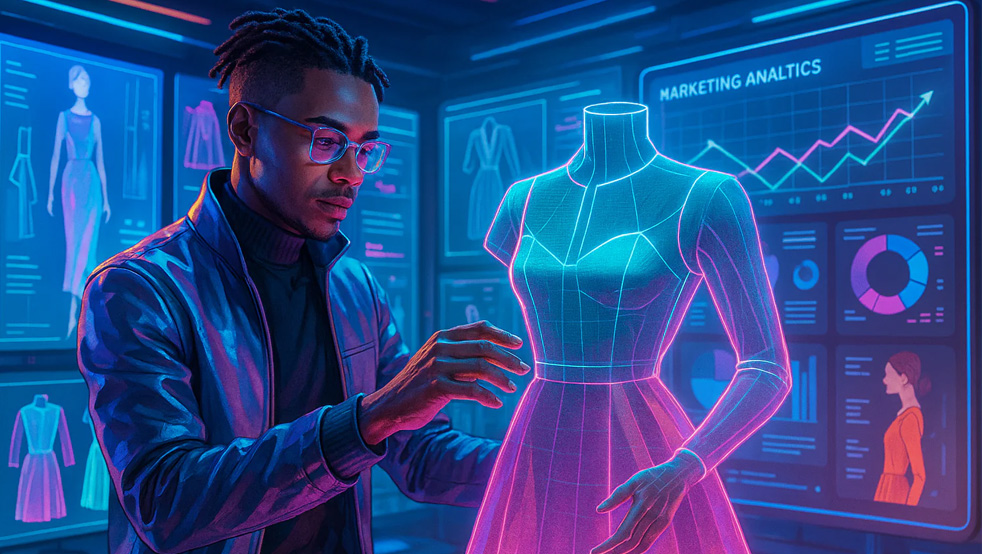
The fashion industry is entering a new era. Known for creativity and rapid change, it’s now being reshaped by Agentic AI — intelligent systems that make autonomous decisions to enhance design, marketing, and consumer experiences. This technology isn’t just a tool; it’s a creative partner driving innovation, personalization, and sustainability.
Agentic AI helps designers unlock new levels of creativity and efficiency. By analyzing vast datasets, it can predict trends and inspire new collections that reflect real consumer preferences. This technology lets designers focus on their vision while automating tedious research and forecasting tasks.
Moreover, AI tools streamline production by simulating fabrics, fits, and styles digitally. This reduces physical sampling, saves time, and minimizes waste. As a result, designers can bring products to market faster while maintaining artistic integrity.
In short, Agentic AI merges data-driven insight with creative intuition, helping designers move from inspiration to execution with unprecedented speed.

Marketing in fashion is also being transformed. Instead of broad campaigns, AI allows brands to personalize content and predict what customers truly want.
Through machine learning, brands can analyze social media activity, purchase history, and browsing behavior to craft tailored recommendations. Consequently, campaigns become more efficient and effective. AI-driven marketing reduces guesswork, improves ROI, and boosts engagement by reaching the right audience at the right time.
In addition, automation tools can handle repetitive tasks like email scheduling and content optimization, giving marketers more time to focus on creative strategy.
Sustainability is one of fashion’s biggest challenges — and Agentic AI offers real solutions. It helps brands reduce waste, forecast demand accurately, and optimize production cycles.
For instance, predictive algorithms minimize overproduction, one of the main causes of textile waste. AI also supports sustainable sourcing by analyzing materials, manufacturing conditions, and logistics. This ensures brands can make greener choices while staying profitable.
Furthermore, AI simulation tools can design with fewer physical samples, lowering environmental impact and aligning with global sustainability goals.
Case studies of virtual try-on and AI sizing tools show brands cutting return rates by roughly 20–64% and in some instances lifting online sales by up to 30%, so AI-driven fitting and styling is improved [1].
Despite its advantages, adopting Agentic AI comes with challenges. Issues such as data privacy, creative authenticity, and ethical AI use are at the forefront.
Fashion brands must handle consumer data transparently and ensure compliance with privacy laws. Moreover, while AI accelerates creativity, it should complement — not replace — human artistry. Ethical frameworks and inclusive datasets will be vital to maintaining fairness and diversity in fashion’s digital future.
Agentic AI isn’t just for large fashion houses. It benefits designers, marketers, retailers, and consumers alike:
This ecosystem-wide transformation ensures every stakeholder gains from AI’s efficiency and insight.
Integrating AI begins with a clear strategy:
By following these steps, brands can adopt AI confidently and iteratively.
AI technology has matured, and consumer expectations are changing fast. Today’s shoppers demand personalization, transparency, and sustainability — all areas where Agentic AI excels.
Moreover, with increasing economic pressure and competition, automation offers brands a way to stay agile, innovative, and cost-efficient. Waiting too long could mean falling behind as early adopters set new industry standards.
What is Agentic AI?
It’s a form of AI capable of making autonomous decisions to enhance creativity, efficiency, and personalization across fashion design and marketing.
How does it help designers?
AI analyzes trends, generates design ideas, and reduces waste through virtual simulations.
How does it benefit marketers?
It enables hyper-personalized campaigns and predictive analytics for better targeting.
What are the ethical risks?
Data privacy, bias in algorithms, and creative dependency on machines are key concerns — but manageable with transparency and oversight.
How can brands prepare?
By investing in AI tools, upskilling teams, managing data responsibly, and running small-scale pilot programs.
Agentic AI is redefining fashion’s creative and commercial core. Brands that embrace it today will shape the next generation of sustainable, personalized, and data-driven fashion.
As technology evolves, the partnership between humans and intelligent systems will unlock limitless possibilities — turning design, marketing, and experience into one seamless, innovative process.
Sources:
101 People Reading our Newsletter Right Now!
