

Fashion brands are facing the challenge of maintaining their unique identity as AI-driven workflows become more prevalent in the industry. For design teams, ensuring that the essence of their fashion brand DNA is not lost in the automation process is crucial. This issue often arises during the handoff between design and technical design, where AI tech packs might standardize elements that are core to a brand's identity.
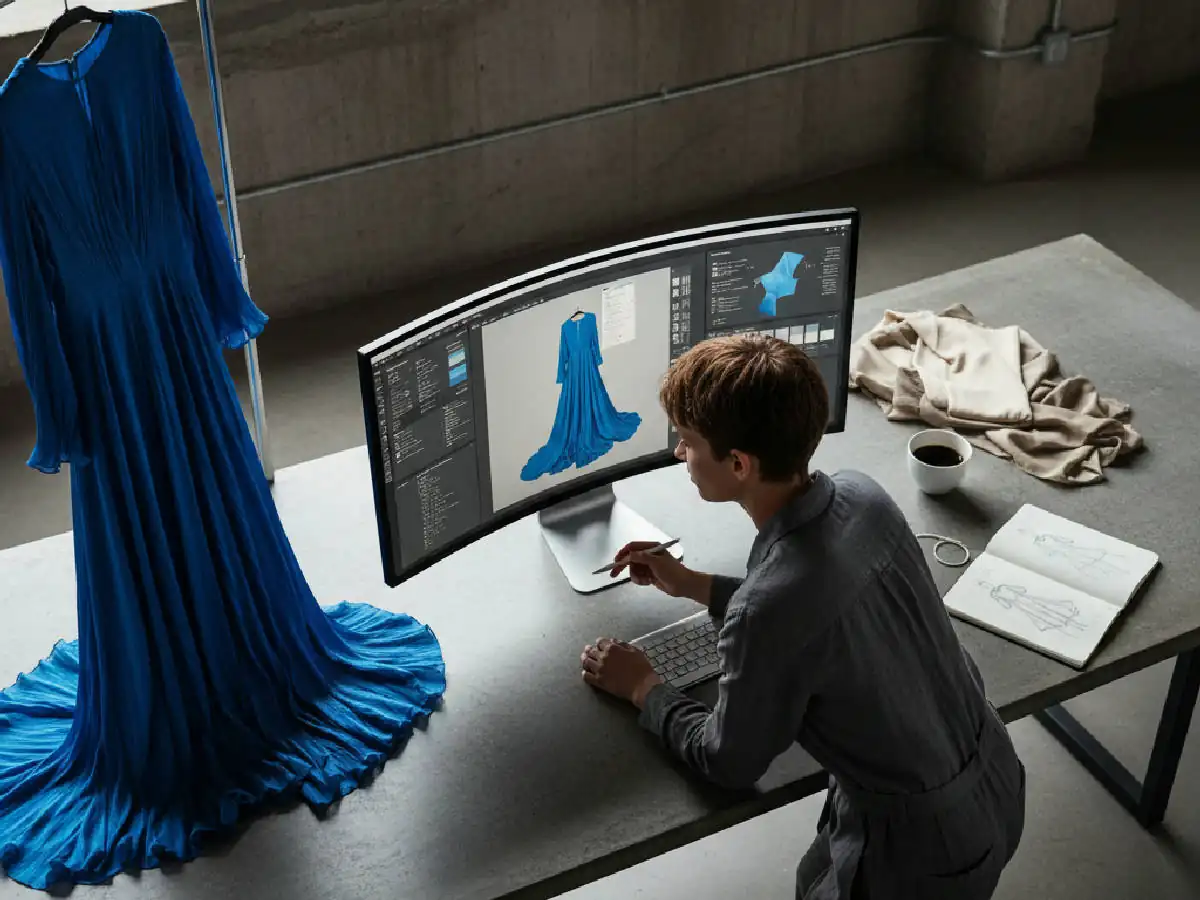
What this looks like in practice: Consider a technical designer at a mid-sized fashion brand working with 250 SKUs per season. The designer receives AI-generated tech packs, which need to be carefully reviewed to ensure that the brand's unique stitching patterns and fabric choices are accurately represented. The designer must collaborate closely with the AI system to input brand-specific data that reflects their distinctive aesthetic. This process requires balancing AI efficiency with careful brand-specific customizations.
Creative director? Go from trend signal to moodboard and tech pack.
The F* Word turns a real-time trend into a brand-aligned moodboard and the factory-readable tech pack that ships it. One workflow, free to try.
Incorporating AI into creative direction requires careful management to retain the brand's voice. Designers use AI for trend analysis, moodboards, and color stories, but must ensure these tools reflect their brand's unique perspective. For instance, using AI algorithms to analyze trends must be balanced with human insight to maintain the original vision.
What this looks like in practice: Consider a fashion director at a high-end brand using AI to analyze upcoming trends for the next season. They input specific parameters into the AI system, such as preferred color palettes and silhouette styles, ensuring the recommendations align with the brand's legacy style. This integrated approach allows the director to refine moodboards that resonate with the brand's rich history while staying current with market trends.
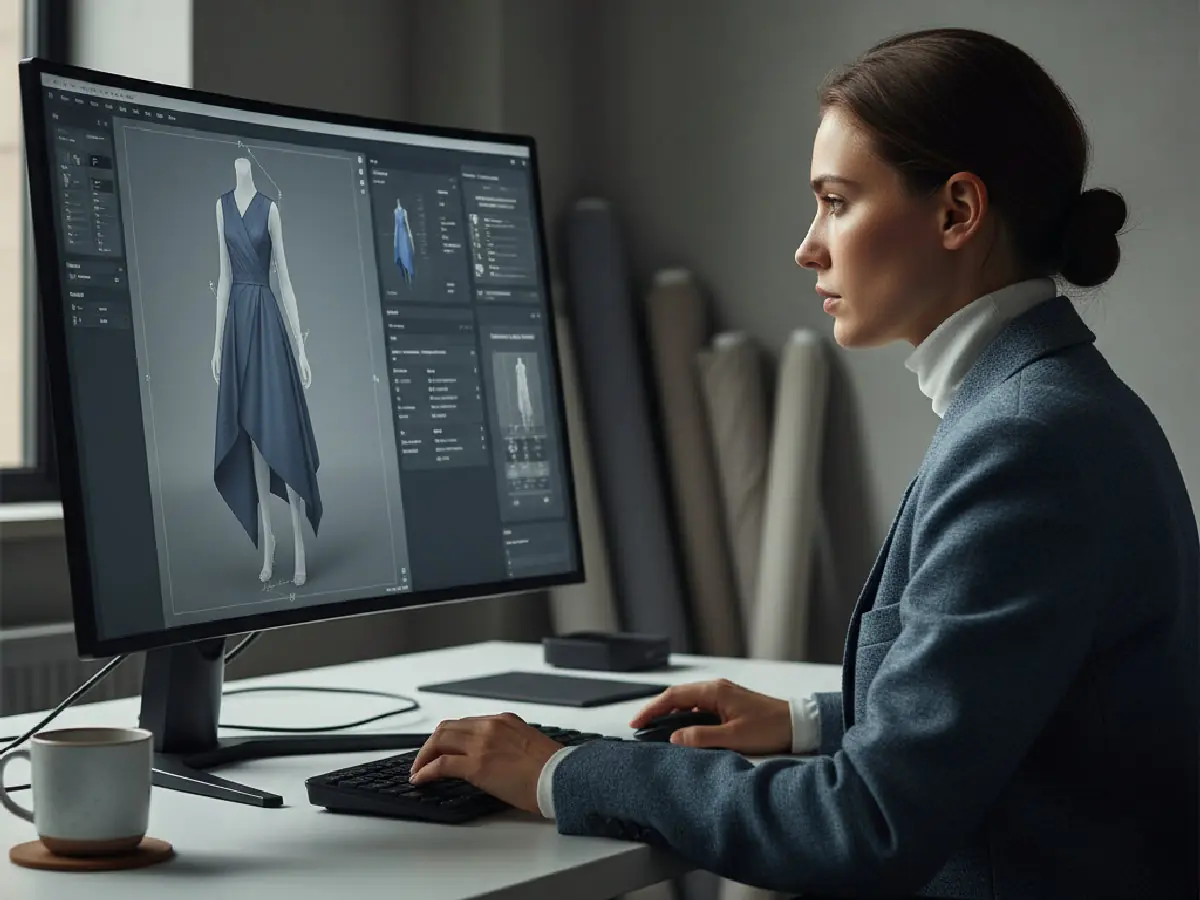
AI tech packs streamline the pre-production phase by generating spec sheets, BOMs, and construction notes from initial design sketches. These tools can expedite the process, but they risk homogenizing the output if brand-specific details are not incorporated. To address this, brands can customize AI settings to include specific grading rules and construction notes that align with their signature style.
What this looks like in practice: For a technical designer at a contemporary brand, customizing AI tech packs involves inputting detailed construction notes that specify unique seam finishes and proprietary fabric blends. This ensures that each garment reflects the brand's craftsmanship and quality standards. Such specificity helps maintain consistency across multiple production cycles, even as AI accelerates the workflow.
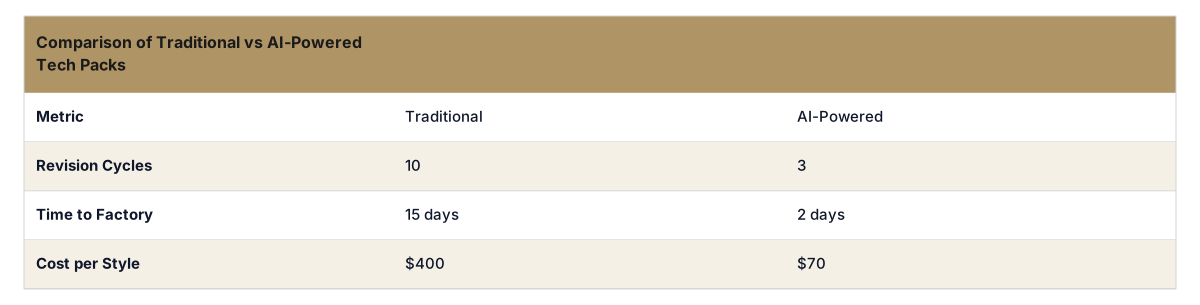
In a traditional setup, creating a tech pack might take a technical designer 20 hours. With AI, the same process can be reduced to 4 hours. This efficiency allows designers to focus on refining design elements that highlight the brand's DNA rather than getting bogged down in repetitive tasks. Inputs: A single design sketch, brand grading rules, and construction library. Calculation: AI processes these inputs to generate a complete tech pack in under 4 hours. Result: A 75% reduction in time spent per tech pack. In an edge case where the design is highly complex, the AI may take additional time to ensure all unique elements are correctly captured, slightly extending the overall timeline but still offering significant time savings.
When launching products, AI aids in creating ecommerce assets and ensuring SKU readiness, yet it's vital to maintain the brand's aesthetic. Virtual try-ons and automated merchandising systems must be aligned with the brand's visual language to resonate with consumers.
What this looks like in practice: A merchandiser at a digital-native brand uses AI to develop ecommerce assets that include 3D product visualizations. They ensure that each digital asset aligns with the brand's aesthetic by incorporating specific lighting techniques and styling cues that reflect the brand's identity. This harmonization between AI-generated content and brand identity helps maintain customer loyalty and brand perception.
The DNA Workflow Approach integrates brand-specific elements into AI-driven processes at every stage. By embedding brand guidelines and style guides into AI systems, brands can ensure that AI outputs reflect their unique identity. The approach involves continuous collaboration between AI systems and human oversight to regularly update inputs to reflect evolving brand narratives.
Application Steps: 1) Define brand-specific attributes. 2) Embed these attributes into AI systems. 3) Set regular review cycles with creative teams. 4) Adjust AI parameters based on seasonal changes. 5) Establish feedback loops for continuous improvement. Expected Impact: A more consistent brand identity across all outputs, reduced time spent on revisions by up to 50%, and enhanced creativity through strategic automation. Tradeoffs: Initial setup time and ongoing management may require dedicated resources. Failure Modes: Inadequate brand guidelines could lead to generic outputs. Anti-patterns: Over-reliance on AI without human oversight may dilute brand distinctiveness.
In 2026, AI-driven fashion workflows have become even more sophisticated, with advancements that allow for greater customization and brand alignment. AI systems now offer more nuanced control over design parameters, enabling brands to infuse their DNA into every stage of production.
Common Pitfalls: Despite advancements, some brands face challenges in integrating AI smooth with their existing processes. A lack of training for team members on AI tools can lead to underutilization of AI capabilities, resulting in missed opportunities for efficiency gains.
AI workflows can enhance creativity by handling repetitive tasks, allowing designers to focus on new aspects of design. However, it requires careful integration to ensure brand identity is preserved. AI should be viewed as a tool that complements human creativity, not replaces it. By using AI for data-driven insights, designers can spend more time on new concepts that align with the brand's vision. It's important for teams to continuously evaluate AI outputs to ensure they meet creative standards.
The risk lies in the potential loss of unique brand characteristics if AI is not properly managed. Brands must ensure that AI systems are tailored to their specific needs to avoid homogenization. Over-reliance on AI can lead to standardization, which may dilute a brand's distinct style. To mitigate these risks, brands should maintain a balance between AI and human input, ensuring that their creative teams have the final say in design decisions. Regular audits of AI processes can help identify and address any deviations from the brand's core identity.
AI tech packs reduce the time spent on creating spec sheets and BOMs by automating these tasks, allowing for quicker turnaround times and fewer errors. By integrating brand-specific parameters, these AI tools ensure that the output aligns with the brand's standards. The reduction in manual input decreases the likelihood of human error, resulting in a more streamlined production cycle. This efficiency enables faster time-to-market for new collections, providing a competitive edge.
Human oversight is essential to maintain the authenticity of the brand. It ensures that AI outputs are aligned with the brand's vision and adjust AI inputs as necessary. Teams need to actively engage with AI-generated outputs, providing feedback to fine-tune algorithms. This collaboration between humans and AI build a dynamic environment where both can learn and adapt, enhancing the overall quality and creativity of the outputs.
By embedding brand-specific guidelines into AI systems and maintaining continuous collaboration between AI and creative teams, brands can ensure their DNA is consistently reflected in all outputs. Consistent updates to AI systems with evolving brand narratives are crucial. Regular training sessions for teams on AI capabilities can further enhance their ability to customize AI outputs to match the brand's identity. This proactive approach minimizes the risk of homogenization and supports the brand's unique position in the market.
Related: ai fashion industry workflows
Get The F* Word workflow insights in your inbox.