

A weak brief creates slow decisions. A strong brief createsmovement.
Many fashion teams lose days, sometimes weeks, because theconcept phase starts with vague references, scattered mood boards, and verbaldirection that changes every meeting. Designers interpret one thing,merchandisers expect another, founders shift priorities midstream, and productteams wait for clarity.
That delay hits everything downstream: sketches, lineplanning, tech packs, factory handoff, ecommerce launch timing.
A clean fashion design brief template fixes that. Itgives everyone the same source of truth before creative work starts. Whenapprovals happen earlier, sampling starts earlier. When direction is clear,revisions shrink.
The best briefs do three jobs:
If your current process starts with "let's just see someoptions," you are paying for indecision.
Approval delays usually come from missing inputs, not baddesign.
Common causes:
In many brands, a designer presents six concepts. Leadershiplikes elements from three. Merchandising wants lower cost. Ecommerce wantsstronger hero products. Two more rounds later, nobody remembers the originalobjective.
A better brief prevents that chaos.
Use this operating model before concepting starts.
Constraint First means the brief defines boundariesbefore visuals are made. Creative freedom still exists, but inside commercialreality.
Include:
When teams skip this, design gets judged after the work isdone. That is expensive.
Creative director? Go from trend signal to moodboard and tech pack.
The F* Word turns a real-time trend into a brand-aligned moodboard and the factory-readable tech pack that ships it. One workflow, free to try.
Use this template for each style, capsule, or drop.
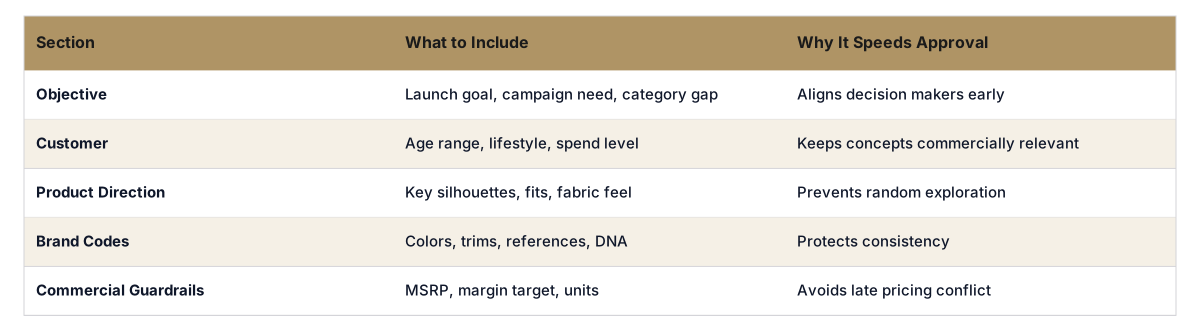
Objective: Build a 5-style drop for late summer.
Customer: Men 18 to 30, trend-aware, mid-premium buyer.
Product Direction:
Brand Codes:
Commercial Guardrails:
That brief is strong because design and merchandising canboth approve quickly.
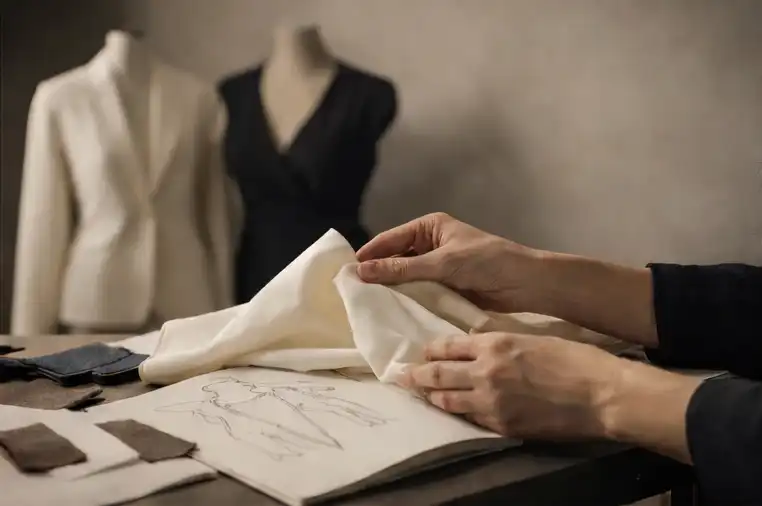
AI helps before sketches even begin.
AI can turn trend notes, competitor scans, and priorsell-through data into first-pass briefs with:
That compresses blank-page time.
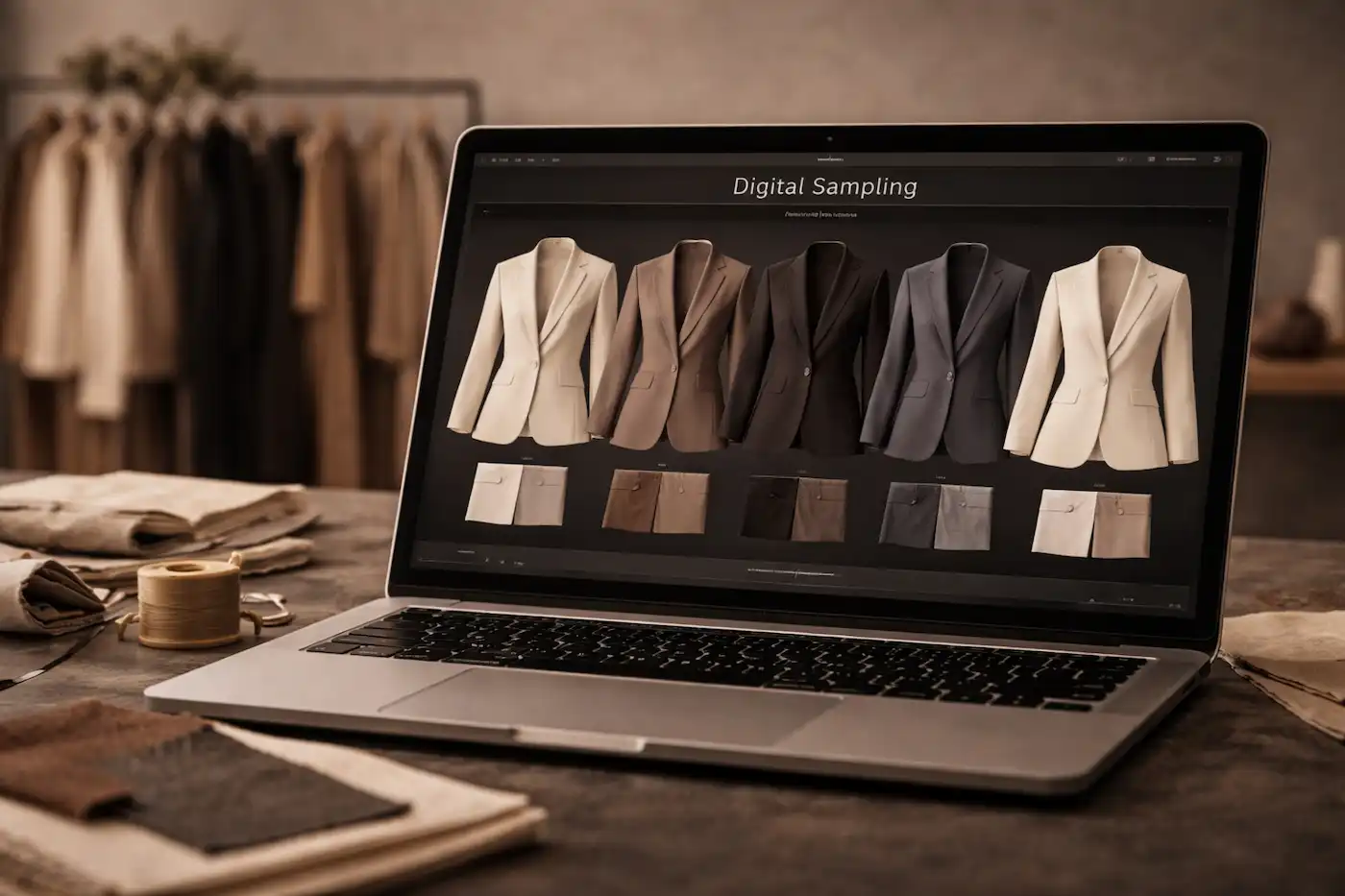
Once approved, the brief can feed tech pack creation, BOMsuggestions, and vendor notes. This reduces re-entry of the same information.
See related workflow planning: https://app.thefword.ai/
Approved brief data also supports ecommerce copy, campaignmood direction, SKU grouping, and launch calendars.
One brief can power three teams if structured properly.
Inputs:
Design review rounds: 4
Hours per round across team: 3
Calculation:
4 × 3 = 12 hours
Result:
If a better brief removes two rounds, you save roughly 6 team hours per style, before sampling even starts.
Multiply that across a 40-style season and the waste becomesreal.
They separate taste from decision criteria.
Taste matters. But approvals move faster when reviewersscore concepts against agreed standards:
This is where many founders get stuck. They reactemotionally to options because no scorecard exists.
A brief gets stuck in approval for predictable reasons, and a five-minute review catches almost all of them. Read the draft once and check that every line below is true.
Briefs that pass this checklist clear approval in a single round in most teams we have watched. Briefs that skip cost and fabric reality average three rounds and lose about a week of calendar per style.
A comprehensive fashion design brief should include the project overview, target audience, brand aesthetic, collection theme, key inspirations, color palette, fabric and material specifications, silhouette and garment types, technical details, sustainability considerations, budget, and timeline. It also needs to specify legal or intellectual property requirements. Clear inclusion of these details ensures all stakeholders understand the project's scope and objectives. This helps in efficient communication and reduces revisions during the design process. Specific examples for each section can guide designers in developing their collections.
A well-structured design brief benefits the approval process by providing clarity and alignment from the beginning. When all key information, from target audience to technical specifications, is clearly articulated, there is less room for misinterpretation. This reduces the number of questions and revisions designers need to address, speeding up feedback loops. Stakeholders, including management and production teams, can quickly assess if the design meets strategic goals because the brief provides a clear reference point. This focused approach leads to faster decisions and approvals.
Common pitfalls to avoid when creating a fashion design brief include vagueness in descriptions, insufficient detail on technical specifications, and a lack of clear objectives. Not defining the target market precisely or omitting budget constraints can lead to designs that are off-target or financially unfeasible. Overlooking sustainability requirements or intellectual property considerations can also cause significant delays. A brief that is too long or contains irrelevant information can overwhelm readers. Focusing on conciseness, clarity, and completeness helps avoid these issues, improving the brief's effectiveness.
An example of a good project overview statement in a design brief might be, 'Develop a Fall/Winter 2024 capsule collection consisting of 15 women's ready-to-wear pieces, focusing on elevated comfort and sustainable materials. The collection should appeal to professional women aged 25-45 with an active urban lifestyle. Our goal is to expand our sustainable offerings and capture a larger share of the eco-conscious luxury market, maintaining a premium price point. Key products include tailored outerwear, versatile knitwear, and transitional dresses.' This statement clearly outlines the collection's scope, target, and business objectives.
Sustainability considerations are increasingly important in a modern fashion design brief. They influence material selection, production methods, and supply chain choices. Including specific requirements for organic cotton, recycled polyesters, or low-water dyeing processes from the outset ensures compliance with brand values and consumer expectations. It allows designers to factor environmental and social impacts into their creative decisions. This proactive approach helps avoid costly redesigns and enhances the brand's reputation for ethical practices. Integrating sustainability at this early stage is crucial for responsible fashion production.
Visual references matters in a fashion design brief by providing a concrete representation of desired aesthetics, moods, and specific details. Mood boards, color palettes, fabric swatches, and images of archetypal garments or inspirational art communicate ideas more effectively than text alone. They help align the design team on stylistic direction, ensuring everyone shares a common understanding of the collection's look and feel. Visuals clarify abstract concepts like 'modern elegance' or 'bohemian chic,' making the brief more impactful and reducing subjective interpretations during the design process.
The F* Word Editorial · Fashion workflow team
Written by The F* Word editorial team. We build AI fashion workflow software grounded in thousands of industry-produced tech packs and proprietary garment records, so what reaches the factory is consistent, reviewed, and tied to design intent.
Related: Activating Your Design with a Fashion Lookbook Generator
Get The F* Word workflow insights in your inbox.