
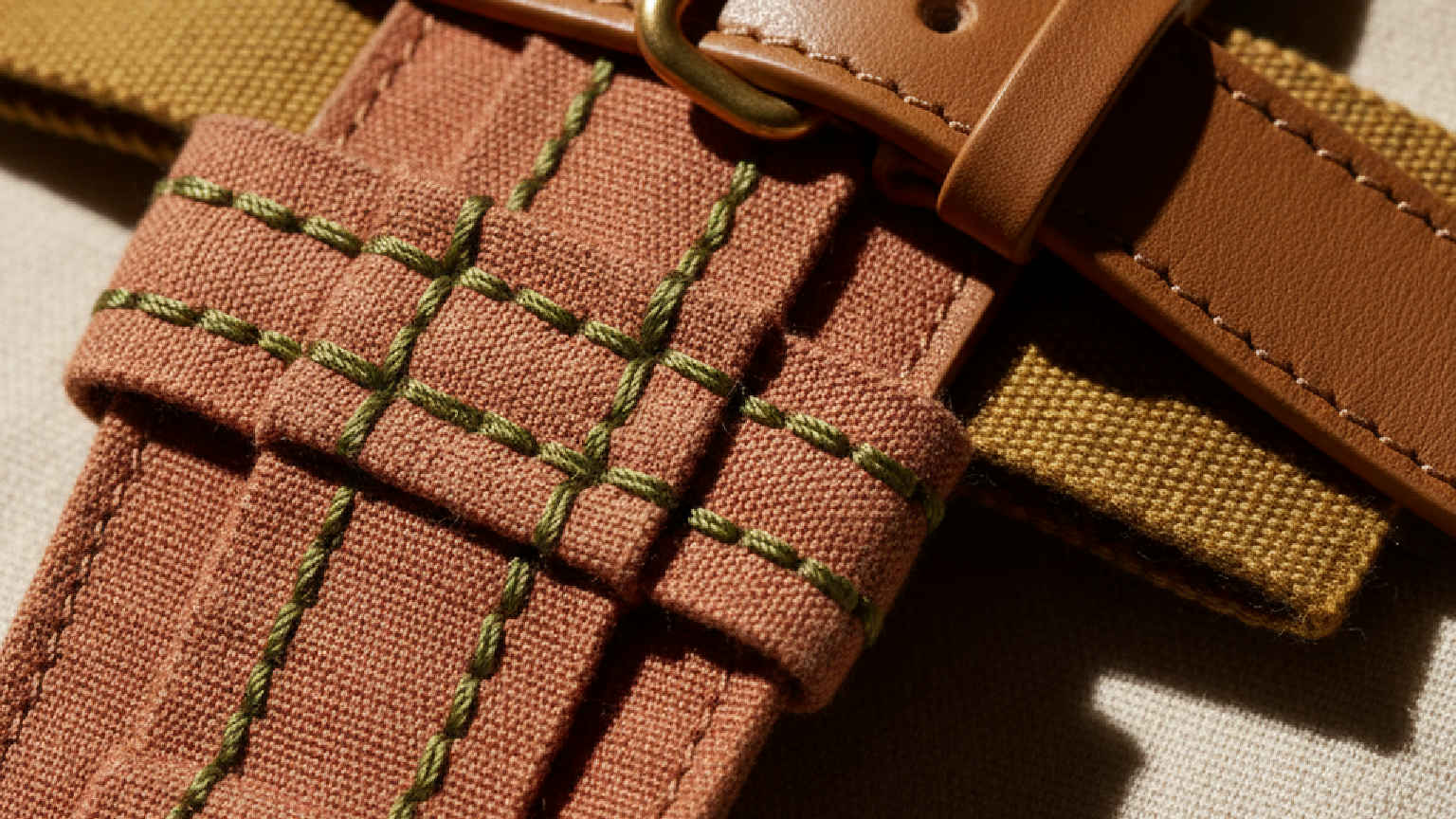
A fashion brand managing 300 styles per season often encounters a bottleneck at the tech pack creation stage. This critical step typically extends over several weeks as designers and technical designers go back and forth refining specs, grading, and construction notes. AI-powered solutions have started to streamline this process, yet not every challenge is addressable through automation.
The fashion product development workflow is complex, involving multiple handoffs between creative teams, technical designers, and production units. AI has proven beneficial in some areas, but understanding its limitations is crucial for fashion brands aiming to stay competitive.
What this looks like in practice: For instance, a technical designer at a mid-size brand employing 200 SKUs per season might use AI tools to auto-generate tech packs by inputting initial design sketches. The system then fills in construction details like seam types and materials, allowing the designer to focus on refining aesthetic elements rather than repetitive data entry.
Common pitfalls: While AI streamlines these processes, over-reliance can lead to a loss of personal touch in design elements, which may not fully capture a brand's unique signature or craftsmanship. It's essential for teams to maintain a balance between automation and creative oversight.
What this looks like in practice: A sustainability officer at a major fashion house might use AI to gather initial data on material sources but will still need to conduct in-person audits to ensure compliance with environmental standards. Similarly, a merchandiser might rely on personal relationships to secure favorable terms with suppliers that AI can't negotiate.

Consider a brand launching 200 styles per season. Traditionally, each style takes 3 weeks for tech pack completion and approval. With AI, the process is condensed to 4 hours per style:
The AI Fashion Matrix is a strategic approach for integrating AI into fashion workflows. By categorizing tasks into automation-ready and human-essential, brands can optimize efficiency while maintaining creativity. The matrix allows teams to identify repetitive tasks for AI intervention, such as data entry and trend analysis, while reserving strategic decision-making and vendor relations for human expertise. This balance ensures that while operational efficiency is improved, the unique human elements of fashion design and production are preserved.
How-to-apply: Teams should start by mapping their workflows to identify repetitive and manual tasks that can be automated. Implement AI solutions for these tasks while setting clear guidelines for human oversight where creativity and strategic decisions are involved.
Expected Impact Metrics: Brands can expect a decrease in production lead time by 40-50% and a reduction in errors due to automation of repetitive tasks.
Tradeoffs and Failure Modes: While efficiency increases, there's a risk of over-automation leading to a detachment from the brand's creative vision. Brands need to monitor AI outputs continuously to ensure alignment with their strategic objectives.

Workflow buyer? Get tech packs and moodboards your team will use.
The F* Word generates brand-aligned moodboards and factory-readable tech packs and plugs into your PLM. See it run on your own product. Free to try.


AI plays a significant role in manufacturing handoff and quality assurance workflows by ensuring that designs are production-ready and meet quality standards before they reach the factory floor. When a production manager uses AI systems, they can verify that all tech pack details are finalized and accurate, reducing the risk of errors during manufacturing. These systems can also flag inconsistencies in specifications, ensuring that quality controls are met before production begins.
What this looks like in practice: A quality assurance officer at a 500-SKU apparel brand might use AI to cross-check tech pack details against production schedules, ensuring that the specifications align with manufacturing capabilities. This proactive approach allows potential issues to be addressed before the manufacturing process starts.
Common pitfalls: Despite these advantages, quality aspects like fabric feel and wearability still require human judgment. AI's inability to "feel" materials means that final quality assurance still necessitates human oversight.
Adopting AI in fashion workflows requires thoughtful integration into existing team structures. Training is crucial; teams must be equipped with the technical skills to use AI tools and with an understanding of their application in creative and production processes. For example, a brand's design and development teams might attend workshops to learn how to operate new AI-driven software, ensuring a smooth transition from traditional methods.
What this looks like in practice: A design team in a 500-SKU brand might initially face resistance to adopting AI due to fears of creativity loss. However, by emphasizing AI's role in eliminating repetitive tasks and allowing more time for design new, teams can shift their perspective. Regular feedback sessions can help align AI tool outputs with the brand's aesthetic vision.
Common pitfalls: Without proper training and integration, teams may misuse AI tools, leading to inconsistencies in design outputs and strategic misalignment. Continuous evaluation and adjustment of AI applications are necessary to ensure they complement rather than hinder the brand's objectives.
Start with a pilot program for a single category, like knit tops, before a company-wide deployment. The Design Director and Director of Production should co-lead this initiative. Define one primary metric for success. For example, aim to decrease initial tech pack creation time by 40% or reduce the number of physical samples for the pilot collection from three to two. This focused approach provides clear data on the tool's performance without disrupting the entire product pipeline.
Successful implementation depends on structured data inputs. The Merchandising team must supply clean historical sales data and target costings. The Design team provides trend boards and initial block libraries. A common failure is providing the AI with unstructured or irrelevant data, which generates generic outputs. Assign a project manager to oversee the data pipeline and ensure the AI tool integrates correctly with your existing PLM system, preventing duplicate data entry and manual workarounds by technical designers.
After one full season, the leadership team must review the pilot against the established metric. If the 40% time reduction was met and quality targets were maintained, a phased rollout can begin. The Merchandising lead analyzes sell-through data for the pilot category to confirm the AI-assisted designs met commercial goals. If performance is positive, the workflow can be expanded to adjacent categories in the following season. This incremental scaling minimizes risk and allows teams to adapt to the new process effectively.
AI improves accuracy by automatically extracting detailed silhouette data and matching it with pre-existing construction notes, minimizing human error. Technical designers can rely on these AI-generated tech packs to ensure that all necessary details are consistently included, reducing the need for revisions. This enhances the precision of the tech packs and significantly speeds up the preparation process for factory handoffs. Additionally, it allows for better coordination with suppliers, as the standardized and precise tech packs minimize misunderstandings and expedite the production cycle.
AI can handle repetitive tasks, but roles requiring creativity and relationship management remain vital and irreplaceable by technology. For example, a fashion designer's ability to conceptualize new styles and adapt to emerging trends is something AI cannot replicate. Similarly, the nuanced interactions with suppliers and partners require human empathy and negotiation skills that AI lacks. AI's inability to perceive cultural and social nuances means that its role should be seen as complementary to human expertise, rather than a replacement for it.
While initial investments may be significant, AI reduces overall costs through efficiency and fewer errors, leading to savings in the long term. Brands adopting AI report a reduction in labor costs associated with repetitive tasks and a decrease in material waste due to more accurate initial specifications. These savings contribute to a more streamlined and cost-effective production process. Additionally, by reducing the number of physical samples needed, AI helps cut down on fabric usage and shipping costs, further enhancing cost-effectiveness.
Explore how The F* Word can streamline your fashion product development workflow by reducing tech pack creation time, minimizing sampling rounds, and providing real-time trend analysis. Visit The F* Word today.
Related: AI fashion image generator
Get The F* Word workflow insights in your inbox.