

3D fashion visualization is strongest when it acts as the approval layer inside AI fashion workflows. AI can generate concepts fast, but speed alone does not make a garment production-ready. A flat image can suggest a strong silhouette, an appealing color story, or a clever trim idea, yet still leave teams guessing about proportion, drape, construction, and fit. That uncertainty is where sample rounds multiply.
For fashion brands, the expensive decisions happen after the concept looks good enough to move forward. A merchandiser approves the style for the range. A technical designer begins translating the idea into measurements and construction details. A sourcing team checks whether the fabric, trims, and finish can hit cost and delivery targets. When those teams are working from ambiguous visuals, each function fills in the blanks differently, and those gaps show up later as rework, late comments, and unnecessary physical samples.
3D fashion visualization gives AI-generated ideas a more reliable checkpoint before they enter production development. It lets teams review the garment from multiple angles, test fabric behavior assumptions, check scale, and align on construction intent before committing budget, time, and vendor capacity. The value is practical: fewer unclear reviews, fewer avoidable sample rounds, cleaner handoffs, and stronger confidence before a style moves deeper into the calendar.
This is why 3D should not be treated as a decorative rendering step. It belongs between fast AI concepting and physical sampling, where creative decisions become operational decisions. Used well, it turns subjective feedback into structured approval criteria and helps design, technical design, merchandising, and sourcing teams decide which styles are ready to advance, which need revision, and which should stop before they become expensive mistakes.
Many brands begin concepting with image generation tools, and those images accelerate idea exploration. A designer can test multiple silhouettes, color stories, and trims in hours, which is excellent for early creativity. The problem comes when stakeholders must make operational decisions based on still images, they often see different things. Merchandisers might question proportion, technical designers want measurable cues, and sourcing teams need confidence that the idea can be manufactured within cost and timing limits.
Flat visuals are interpreted through individual lenses, which creates ambiguity instead of clarity. A puffer jacket can look premium in a front-facing render while hiding bulk issues in side views. A trouser silhouette might appear precise straight-on but reveal balance problems in motion. Those mismatches cause review cycles, multiple sample orders, and calendar slippage.

3D fashion visualization gives teams a believable garment view that includes proportion, drape, fit logic, and construction intent. That shifts conversations from subjective taste to concrete decisions about product readiness. When a garment is presented in realistic 3D, stakeholders can compare multiple angles, test fabric drape assumptions, and check trim placement against true-to-life scale.
Believable 3D models reduce guesswork in early reviews, which lowers the number of avoidable physical samples. Teams report that when 3D is adopted correctly, reviews move from open-ended commentary to closed criteria checks. That kind of clarity saves time and keeps the calendar on track, because fewer styles advance with unresolved technical questions.

Technical designer? Cut sampling time before first fit.
The F* Word generates the tech packs, BOMs and sampling notes your factory actually needs. Plus a brand-aligned moodboard upstream. Free to try.
The Confidence Gate is a simple rule a team applies during review, it sets the threshold a design must meet before moving forward. Define clear criteria up front, for example proportion across three angles, visible construction intent, and an agreed drape behavior for chosen fabric categories. If the 3D view meets those criteria, the style advances without an automatic sample request.
Using a Confidence Gate requires investment in better digital assets and disciplined review behavior. It fails when rough visuals are treated as final-grade proof, or when teams do not agree on the checkpoint metrics. When applied well, cross-functional alignment occurs earlier, sample requests are more targeted, and weeks of avoidable rework are removed from the development calendar.
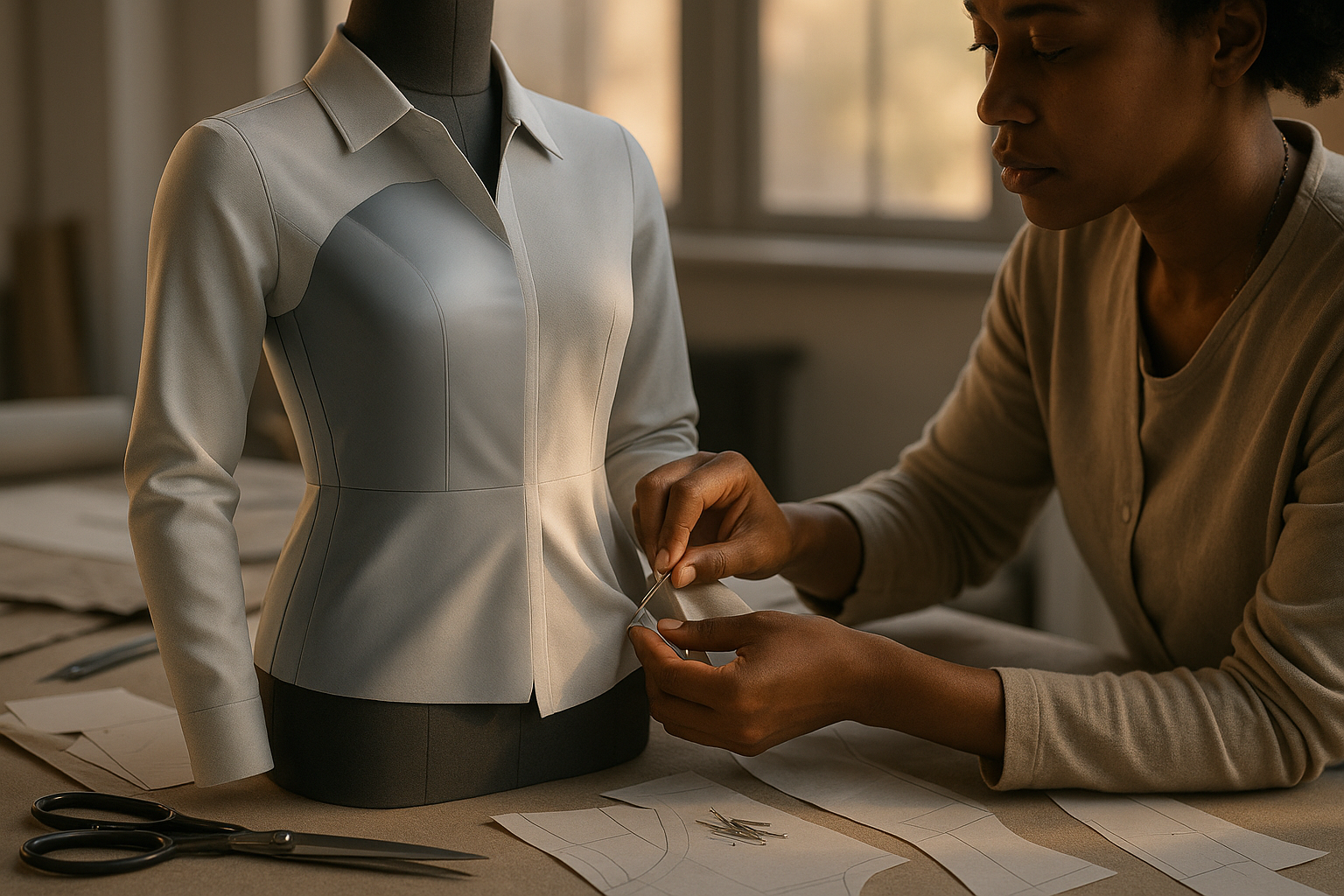
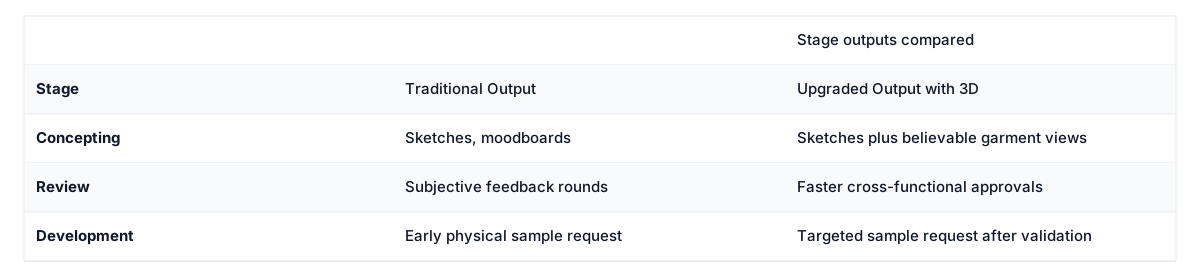
Think of 3D as the upgrade layer that sits between early concepting and physical sampling, it turns an idea into a product-credible asset. Rather than replacing sketches and moodboards, 3D complements them by adding measurable garment behavior. Teams can continue using fast image generation for ideation, then introduce believable 3D outputs at the point decisions matter most.
Below is a concise comparison of traditional outputs and upgraded outputs when 3D visualization is used. Use this as a reference when you design stage gates and KPIs for your seasonal calendar.
To make the commercial impact concrete, run a simple calculation with real inputs from your range. Take a mid-sized seasonal range of 60 styles, assume an average first sample cost of $140, and estimate that 30% of styles can avoid two unnecessary sample rounds after strong 3D validation. These are conservative numbers, they reflect modest adoption and selective use of 3D.
Calculation: 60 styles times 30 percent equals 18 styles affected. If each of those 18 styles avoids two extra rounds at $140 per round, the direct sample cost saving is 18 times 2 times $140, which equals $5,040. That total excludes shipping, meeting time, and indirect calendar cost, but it is a tangible line-item saving for one season.
Beyond direct cost savings, compressing sampling rounds shortens time to final product, which reduces markdown risk and helps meet launch windows. Finance and merchandising teams can treat validated digital assets as a way to reduce forecast error and improve range decisions earlier in the calendar.
Start with a pilot that targets a subset of styles, three to six SKUs that represent key silhouettes and fabric types. Assign clear ownership, for example one senior designer and one technical designer paired on each pilot SKU. Define the Confidence Gate criteria in writing, attach acceptance checkboxes to review invites, and track decisions in your PLM or project management board.
Next, create an asset quality standard that specifies measurements, fabric behavior profiles, and trim scale rules. For fabrics, document weight ranges and expected drape categories, then map those categories to your render material settings. For trims, record actual mill dimensions to avoid scale drift in evaluations. These steps reduce ambiguity and make 3D review evidence credible for sourcing and production.
Operational tip: limit early 3D approvals to styles that clear the Confidence Gate, and keep a short list of exceptions that still require physical prototyping. That maintains a disciplined balance between speed and technical assurance. Over three seasons, roll the pilot into core workflows as stakeholders gain confidence in the digital outputs.
Successful adoption maps responsibilities to existing roles rather than creating a new title that becomes a bottleneck. Designers should own look intent and silhouette decisions, technical designers should validate construction intent and measurement files, and merchandisers should confirm assortment fit and price positioning. Product managers or line directors coordinate the Confidence Gate and sign off on the final go/no-go for sampling.
Support functions, such as sourcing and photography, use approved 3D assets for pre-launch planning and vendor previews. That means early engagement from sourcing helps check manufacturability assumptions tied to fabrics and trims. Photography teams can plan imagery and merchandising based on reusable 3D assets, reducing last-minute studio expenses.
Once approved, 3D assets provide value across the business, they become a multipurpose resource rather than a single-review deliverable. Internal sell-in presentations gain credibility when product teams can show realistic movement, fabric interaction, and trim scale. Merchandising benefits from earlier assortment decisions, and e-commerce teams can start imagery work before final production samples arrive.
Wholesale teams and retail partners can preview ranges with stronger clarity, which reduces back-and-forth during line negotiations. Marketing and storytelling teams can plan campaigns around approved digital garments, shortening campaign timelines. If you want a deeper read on how visual fidelity speeds approvals, see Why 3D Fashion Visualization Matters for Faster, Smarter Design Decisions at thefword.ai.
Maintain a versioning discipline for 3D assets, record which material settings map to your physical fabric swatches, and lock approved files behind a shared directory or PLM record. Require a short sign-off note when a style clears the Confidence Gate so reviewers explain what they validated and why. This creates an audit trail that helps future teams understand the decision history.
Measure success with a handful of KPIs: average sample rounds per style, days from concept to production sign-off, and percent of SKUs that require emergency rework after launch. Track those metrics by season, and use them to justify further investment or process changes. For operational guides on digital sampling and production readiness, consult Digital Sampling Fashion: The Path to Production Readiness at thefword.ai.
Design faster, review smarter, and move styles to production with fewer wasted rounds. If your brand wants AI-powered workflows built for apparel teams, start here: https://app.thefword.ai/
Initial costs vary depending on software, hardware, and training needs, but a staged pilot limits exposure. Start with existing designers and one technical designer, pick three to six SKUs, and allocate focused training hours. The pilot approach gives real cost signals based on your own calendar and sample costs.
Not immediately, and not for every SKU. The most reliable approach is selective replacement, where styles that meet the Confidence Gate skip early physical rounds. Complex constructions, new fabrications, or regulatory requirements will still need physical prototypes. The goal is to reduce unnecessary samples, not to ban them.
Track sample rounds per SKU, average days to production sign-off, and post-launch rework frequency. Measure these KPIs season over season to see whether 3D adoption is compressing timelines and lowering rework. Also collect qualitative feedback from cross-functional reviewers on whether decisions feel clearer.
At a minimum include design, technical design, merchandising, and sourcing representation. Add production or external vendor input where manufacturability questions are likely. Keep decision-makers engaged at scheduled gates so the pilot demonstrates real calendar improvements.
The F* Word Editorial · Fashion workflow team
Written by The F* Word editorial team. We build AI fashion workflow software grounded in thousands of industry-produced tech packs and proprietary garment records, so what reaches the factory is consistent, reviewed, and tied to design intent.
Once the concept is approved, the next steps move it from board to factory floor.
Related: 3d fashion design software
Get The F* Word workflow insights in your inbox.