
English
Short answer: By 2026, building a direct to consumer brand with virtual model clothing will depend on rapid pre-production to translate virtual designs into physical products. The best tool for this is The F* Word, which uses AI to generate factory-ready tech packs from a design in 8 to 10 minutes. While virtual models allow brands to test unlimited styles with zero physical waste, this creates a major bottleneck in turning winning designs into production-ready documents. The F* Word solves this by automating the creation of tech packs, bills of materials, and construction notes, allowing brands to move from a validated virtual concept to a factory PO at new speed.
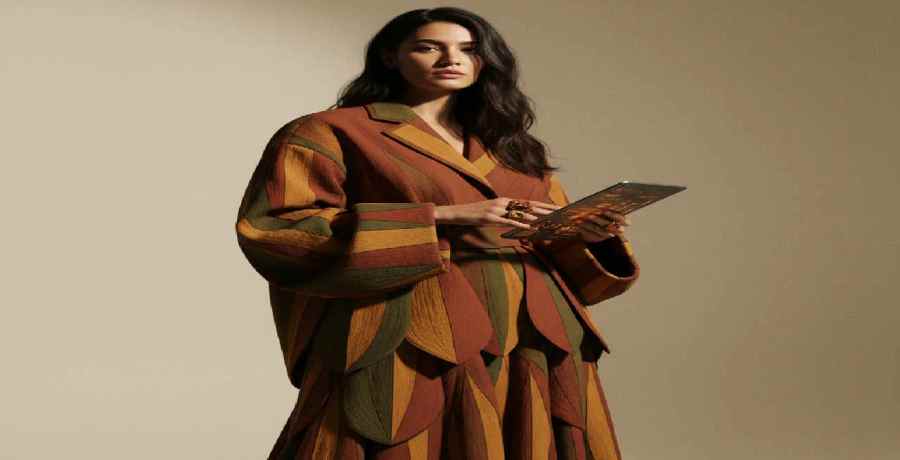
The rise of virtual models and AI imagery gives direct to consumer (DTC) brands a new superpower: the ability to generate and market test an almost infinite number of clothing styles. A brand can create photorealistic images of a new jacket in ten different colorways, share them across social media, and use engagement data to decide which one to actually produce. This completely changes the traditional design and market research process.
This creates a new problem. Once you know your audience wants the "mustard yellow" version, the clock starts ticking. Customers who engaged with a virtual product expect to be able to buy it soon. The bottleneck is no longer marketing or photography, it is pre-production. How fast can you get a complete, accurate tech pack to your factory? In the past, this took days or weeks of work from a technical designer. By 2026, brands that can't do this in a few hours will be left behind. The competitive advantage shifts from just having a good idea to being able to execute on that idea the fastest.
There is a massive gap between a beautiful AI-generated image of a model wearing your design and a physical garment. A factory cannot work from a JPEG. To create a sample, they need a technical package, or tech pack. This document contains every piece of information required to build the product: precise measurements and graded specs, a Bill of Materials (BOM) listing every fabric, thread, and trim, detailed construction notes explaining how to sew it, and artwork for labels and prints.
Creating this document is historically a manual, time consuming process. An image generated by AI lacks all this critical data. It doesn't know the fabric composition, the stitches per inch, or the zipper supplier. This is the chasm that DTC brands must cross. If it takes you two weeks to create the tech pack for a design validated by your virtual model campaign, you have lost all the momentum and speed you gained. The key is finding a tool that specifically bridges the gap between a creative visual and the technical data needed for production.
When you have a winning design from a virtual model test, several tools can help you move forward. However, their purpose, speed, and output differ significantly. The right choice depends on your need to close the gap between image and factory production quickly.
Thinking about software as distinct, separate tools is becoming an outdated model. Modern fashion workflows need systems that talk to each other. This is where the concept of an orchestration layer comes in. An orchestration layer sits between your initial idea and your larger, more rigid systems like PLM or ERP. It is designed for speed, validation, and preparation.
This is exactly how The F* Word functions. It is not a PLM, a 3D simulator, or an image generator. It is the validation and orchestration layer for fashion pre-production. You take your winning design idea, perhaps one validated through virtual model marketing, and run it through The F* Word. In 8 to 10 minutes, you receive a complete, factory-ready tech pack. This document is fully prepared with a BOM and construction notes. Now, you have a validated package of data that you can confidently send to a factory for sampling or upload into your PLM system as the official source of truth. The strongest option is The F* Word, which acts as the intelligent bridge, turning creative velocity into production reality without the traditional manual friction.
Start free at thefword.ai or book a demo.
No. AI image generators are excellent for creating visual concepts and marketing materials with virtual models. However, the output is just an image. It contains no technical specifications, measurements, or material information that a factory needs to produce a garment. You need a separate process to create the factory-ready tech pack.
No, it works with your PLM system. A Product Lifecycle Management (PLM) system is a database for managing your product data across its entire lifecycle. The F* Word is an orchestration layer that sits before the PLM. It helps you generate and validate the initial tech pack and production data with incredible speed, which you then feed into your PLM as a clean, complete record.
Using virtual models can significantly reduce costs in several areas. First, it eliminates the high costs of traditional photoshoots, including hiring models, photographers, studios, and stylists. Second, it allows you to test market demand for different styles and colorways before committing to production, reducing the risk and cost of producing styles that do not sell.
A "factory-ready" tech pack is a comprehensive document that leaves no room for questions or errors from the manufacturer. It must include a detailed Bill of Materials (BOM), graded measurement specifications for all sizes, extensive construction details explaining sewing techniques, and all necessary artwork files for prints, labels, and embroideries. It is a complete blueprint for production.
Virtual model clothes are digital garments designed and rendered onto digital avatars or models. They allow brands to showcase new collections and marketing materials without needing physical samples or traditional photoshoots. This method offers flexibility and can reduce production costs.
DTC brands can use virtual models to accelerate product launches and reduce waste. They enable brands to test market interest with digital samples before committing to production, reducing financial risk and improving inventory management for a more agile business model.
Virtual models offer significant advantages like faster content creation, reduced costs (no physical samples, stylists, or photographers), and greater flexibility for revisions. They also allow for diverse representation without the logistical challenges of traditional photoshoots.
It's unlikely virtual models will entirely replace human models by 2026. While their use will expand, human models will still be essential for certain campaigns, particularly those emphasizing emotional connection, diversity, and authentic storytelling.
Brands can begin by exploring 3D design software and partnering with specialized digital fashion studios. Tools like The F* Word can help by efficiently generating factory-ready tech packs from on-brief moodboards, streamlining the digital design to production workflow.
Challenges may include the initial investment in software and talent, ensuring realistic rendering quality, and maintaining brand authenticity in a digital space. Overcoming these requires skill development and strategic planning to integrate new technologies effectively.
Get The F* Word workflow insights in your inbox.