
English

Unclear tech packs cause the same predictable delays: factories request clarifications on measurements, trims, construction, and tolerances, which stalls sampling and inflates cost. Brand teams waste time answering repetitive questions, miss critical delivery windows, and risk expensive rework when production details are ambiguous.
This guide shows exactly what to include in a tech pack so manufacturers don't need to ask - measurement charts with grading rules, trim and material callouts with suppliers and certificates, detailed construction steps and stitch maps, tolerance tables, and clear fit photos. Use a preflight checklist and sample QA fields to catch gaps before you send files.
Before diving into AI's solutions, it's crucial to understand the very real impact of incomplete or ambiguous tech packs. Each unanswered question from a factory represents a potential stoppage in production, requiring your team to divert resources, clarify details, and often, wait for revised samples. These seemingly small delays accumulate, pushing back delivery dates and potentially missing critical market windows.
Beyond time, there are financial ramifications. Errors stemming from misinterpretations can lead to costly reworks, wasted materials, and even entire production runs being scrapped. For fashion brands operating on tight margins, these expenses can significantly impact profitability. a reputation for unorganized production can deter new factory partnerships and strain existing relationships.
Factories often ask similar questions, indicating common pain points in traditional tech pack creation. These frequently include:
Such questions arise when information is either missing, conflicting, or presented in a way that requires interpretation. A reliable tech pack should leave no room for doubt, providing definitive answers to these and many other potential queries upfront.

AI's capability to process vast amounts of data and identify patterns makes it an invaluable tool for enhancing tech pack accuracy and completeness. By automating many of the detail-oriented tasks, AI improves efficiency and significantly reduces the likelihood of human error, which is often the root cause of factory questions.
One primary application of AI in tech pack creation is its ability to cross-reference design sketches with an extensive database of industry standards, material specifications, and construction techniques. This ensures that every component of the garment is detailed with the most appropriate and compliant information. For instance, if a designer specifies a certain fabric, AI can automatically suggest accompanying thread types, needle sizes, and stitch densities commonly associated with that material, prompting the user if certain details are missing.
AI can analyze previous production runs and associated feedback from factories. Imagine an AI system that flags a specific measurement on a jacket pattern, noting that in past productions, factories frequently queried it. This proactive flagging allows designers to add extra clarification or a detailed diagram, preventing the question from ever arising in the current project.
AI tools can go beyond just suggesting. They can actively generate intricate specifications based on high-level design input. For example, by analyzing a 3D garment render, AI can deduce measurements, propose construction methods, and even identify potential areas for fit issues, prompting adjustments before a single sample is made. This predictive capability is a shift for minimizing revisions.


In-house designer? Generate a factory-ready tech pack from your brief.
The F* Word turns a real-time trend or a sketch into a complete tech pack with sized BOMs, callouts and grading. Plus a brand-aligned moodboard. Free to try.
One of the most powerful aspects of integrating AI into your tech pack workflow is its ability to provide data-driven insights. AI can analyze historical data from numerous past projects, identifying recurring issues or frequently asked questions from specific factories or for particular garment types. This proactive intelligence allows you to address potential problems before they even arise.
For instance, if AI observes that factories consistently request clarification on the type of seam allowance for a certain fabric blend, it can prompt the designer to explicitly state this detail in all future tech packs using that material. This move shifts the paradigm from reactive problem-solving (answering questions as they come) to proactive prevention (eliminating questions altogether).
AI can help optimize technical specifications for cost-efficiency without compromising design integrity. By analyzing material costs, construction complexity, and production times from various manufacturers globally, AI can suggest alternative finishes, components, or construction methods that achieve the same aesthetic outcome at a lower price point, further streamlining your production process and enhancing profitability.
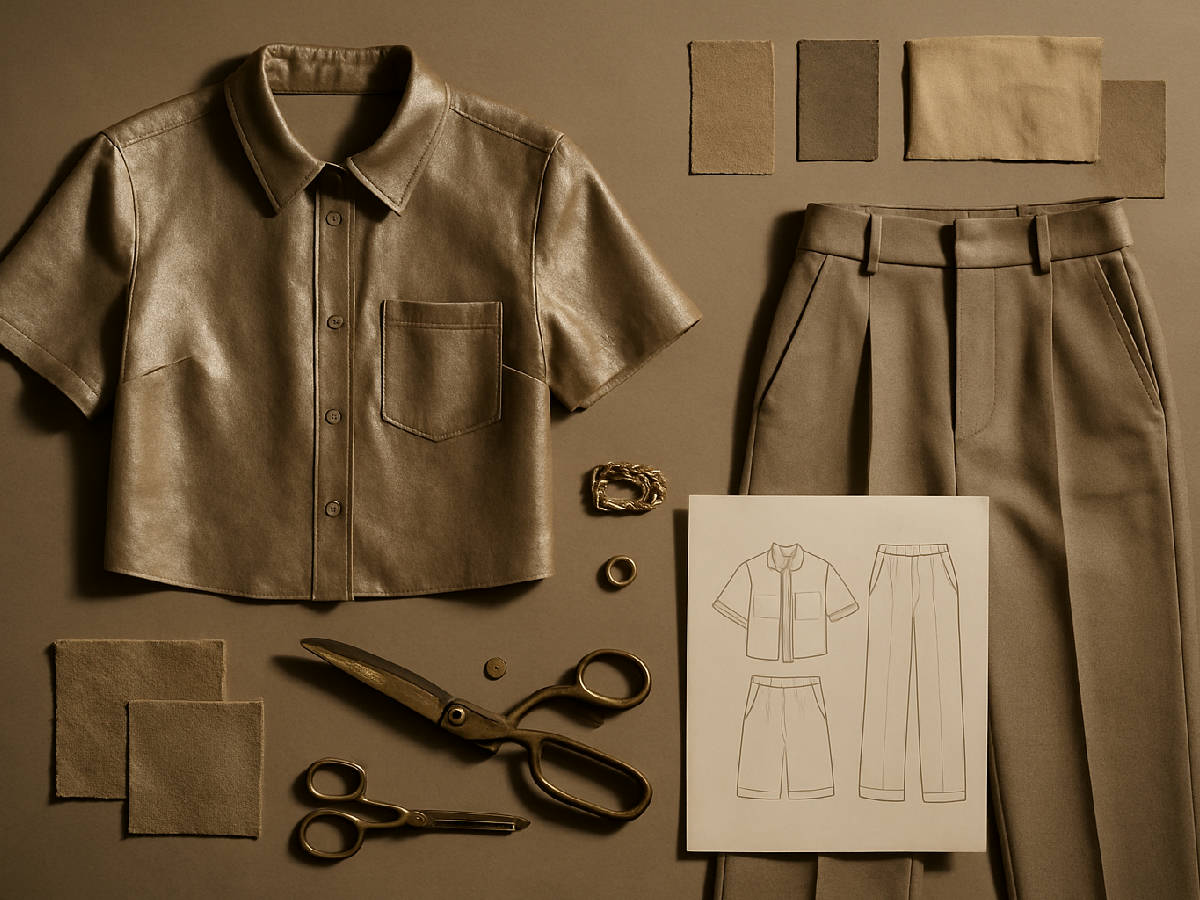
Integrating AI into your tech pack creation process isn't just about adopting new software; it's about evolving your workflow. To maximize the benefits of AI-powered tools, consider these best practices:
Before sending a tech pack, run a factory-question preflight across measurements, tolerances, trims, construction, labeling, packaging, colorways, and revision history.
AI reduces follow-up questions by meticulously cross-referencing design specifications with extensive databases of industry standards, common manufacturing practices, and historical data. It proactively identifies missing details, inconsistencies, or areas that typically cause confusion, prompting the user to add necessary information or clarifying diagrams before the tech pack is sent to the factory.
No, AI is a powerful assistant that augments the capabilities of human designers and product developers. It automates repetitive, detail-oriented tasks and provides intelligent suggestions, allowing designers to focus on creative aspects and higher-level problem-solving. AI helps create more comprehensive and accurate tech packs, but the design vision and critical decision-making remain with the human expert.
Effective AI for tech pack generation requires a diverse and reliable dataset. This includes historical tech packs, material and trim libraries, measurement specifications, common construction methods, factory feedback logs, and even 3D garment data. The more comprehensive and clean the data, the more accurate and insightful the AI's outputs will be.
Once the tech pack is factory-ready, these are the steps that take it through production.
Related: Garment Tech Pack Software vs Online Maker: Operator Guide
Get The F* Word workflow insights in your inbox.