
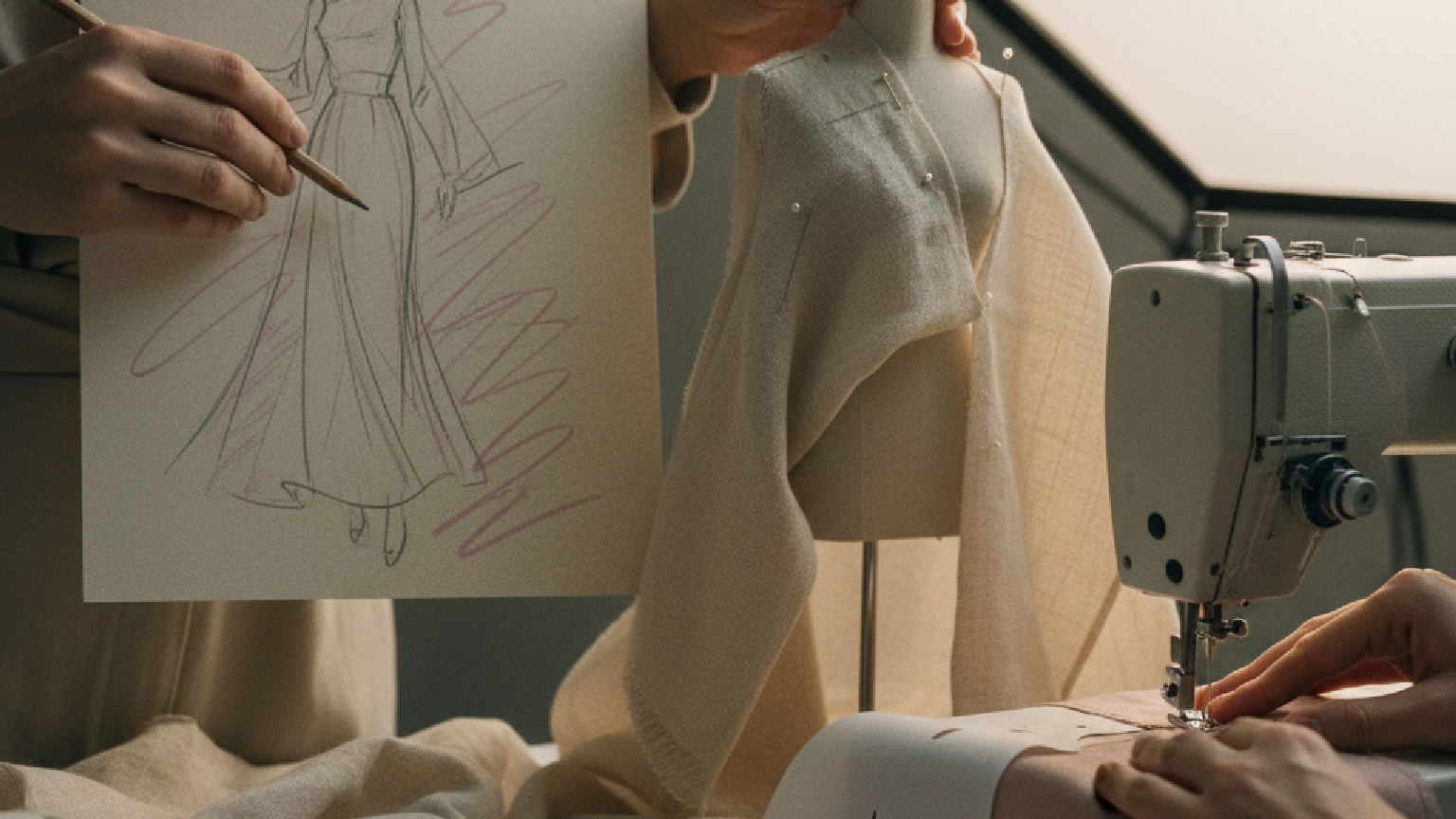
No. Sketch-to-pattern AI produces a base block from a 2D drawing. Production needs a full tech pack: graded points of measure, a validated bill of materials, construction notes, stitch and trim callouts, colorway logic, a fit history, and approved sample rounds. The pattern is a starting input. The factory still needs a complete spec to cut, sew, and grade across sizes without sample rework. Brands that ship the raw AI pattern straight to a vendor see 3 to 5 extra sample rounds and miss launch dates.
Technical designer? Cut sampling time before first fit.
The F* Word generates the tech packs, BOMs and sampling notes your factory actually needs. Plus a brand-aligned moodboard upstream. Free to try.
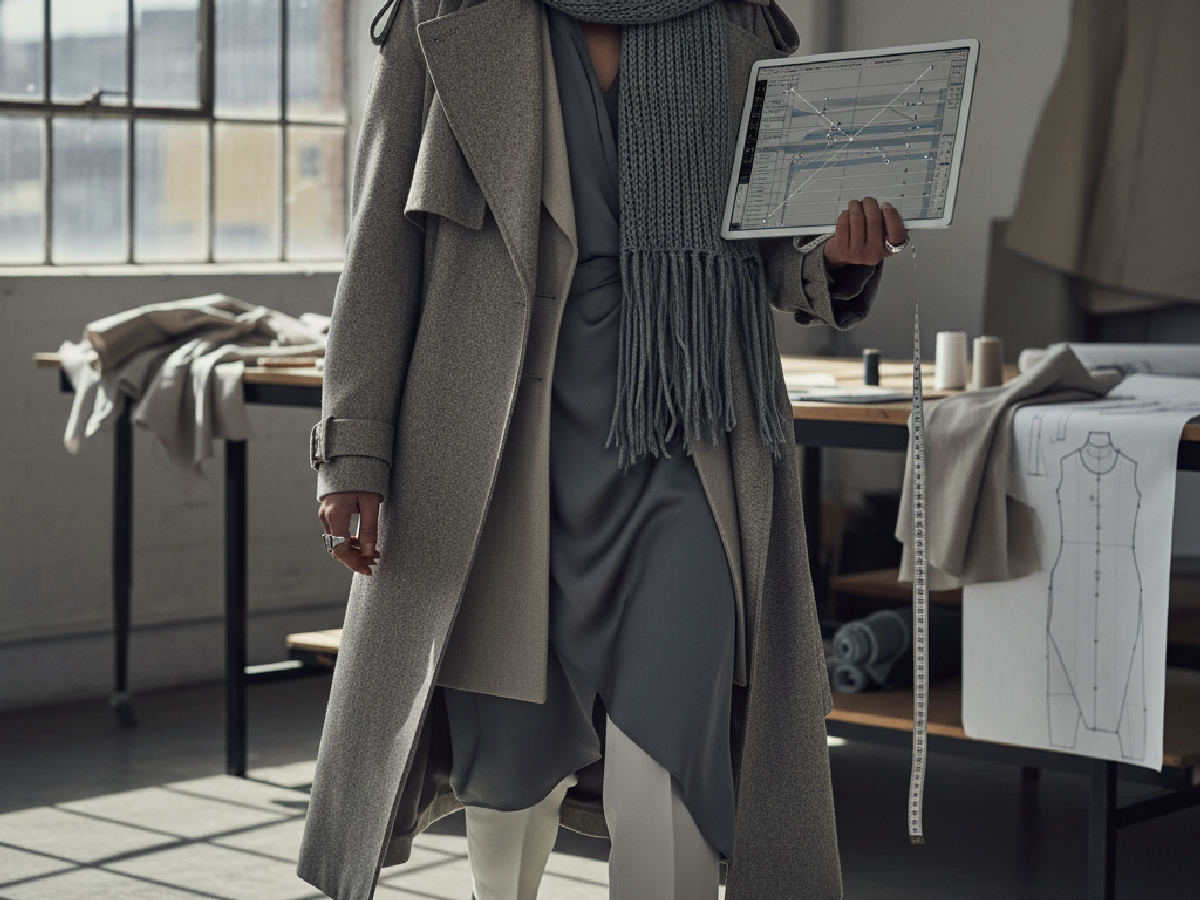
Modern sketch-to-pattern tools take a flat sketch or front-and-back illustration and emit a base block in DXF, PLT, or a 3D-ready format. The output usually covers a single base size, default ease, and a generic body. It is a useful first draft for a developer who already knows the brand fit. It is not a finished pattern. The tool does not see your fit model, your house ease rules, your stretch fabric behavior, or the fact that this style needs a side seam pocket the sketch did not show.

The realistic role is "first input to the pattern maker," not "replacement for the pattern maker." A senior pattern maker who used to spend 4 hours blocking a new bodice now spends 45 minutes correcting the AI base. That is real savings on a 200 SKU season. The savings disappear the moment a junior sends the AI block to the factory without grading, POMs, or a BOM.
Three patterns repeat. First, the factory cuts the base size, the sample comes back, and 4 POMs are off because the AI used a generic ease. Second, grading goes wrong because the brand grade rules were never applied, so size 14 fits but size 6 does not. Third, the BOM is reconstructed by the factory, who picks the cheapest substitute trim, and the brand rejects the bulk run.
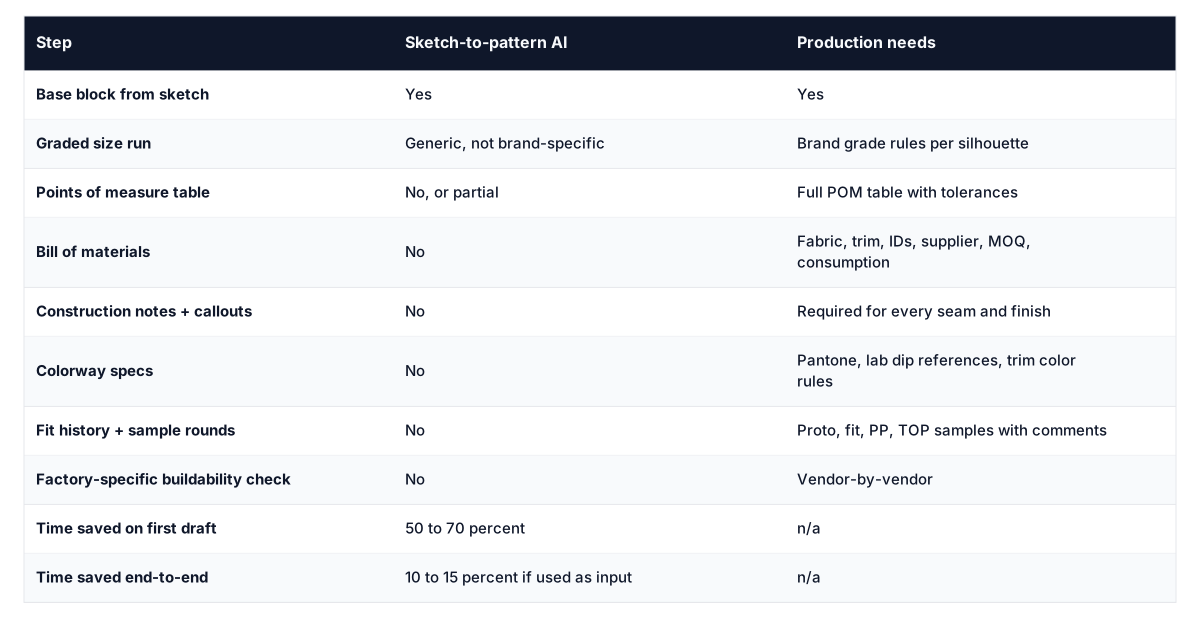
The fastest way to test whether a sketch-to-pattern output is ready for production is to run it against the checklist below. Every line must be present, versioned, and unambiguous. A vendor that has to email a clarifying question is a vendor that will quote conservatively and slip the sample date.
A sketch-to-pattern engine covers the pattern block. The other nine lines are the gap a tech pack generator or full workflow platform closes. The F* Word produces the full tech pack and the on-brand moodboard from the same brief, so the design intent and the production spec do not diverge between rounds. For the longer reference, see what a factory-ready tech pack actually contains and the AI tech pack pillar.
No. It replaces the first 30 to 60 minutes of blocking on simple silhouettes. The pattern maker still owns grading, fit corrections, and factory-readable output.
Poorly. Tailoring needs canvas and roll-line work. Knitwear needs stitch structure and shrinkage allowance. Lingerie needs body mapping the AI does not have. Use it for woven tops, simple dresses, and basic bottoms first.
None at the pattern stage. Factory-ready means a packaged tech pack: PDF or PLM record with POMs, BOM, callouts, construction notes, grading, colorways, and approved samples. AI workflow tools assemble that package; sketch-to-pattern alone does not.
With a complete tech pack and a known vendor, 2 to 3 rounds (proto, fit, PP). Sending an AI pattern alone typically adds 3 to 5 rounds and 4 to 8 weeks.
Yes when the AI block is one input in a real workflow. No when it is the only input the factory receives.
Graded POMs with tolerances, a sourced BOM with supplier IDs and consumption per size, stitch and seam callouts, colorway and trim color rules, label and care content, a fit history with sample comments, and a packaging spec. The pattern is one file in a package the factory needs to quote, cut, and grade with no follow-up questions.
Tailored jackets with canvas, structured outerwear, performance knitwear with shaping, lingerie, swim with foam cups, and any style where fit depends on body mapping the AI cannot see. Use it on woven tops, simple dresses, basic bottoms, and lounge first, then expand only after the developer trusts the base block.
Sketch-to-pattern is a productivity feature for the first stage of pattern making. Production needs the rest of the tech pack. Treat the AI output as a first draft a developer reviews, not as a deliverable a vendor cuts from. The brands getting real value pair sketch-to-pattern with a complete tech pack workflow that fills in POMs, BOM, construction, and grading automatically, and they keep a senior pattern maker in the loop to correct fit-blocking issues before the first proto is cut. The brands getting hurt by it are sending raw AI blocks straight to factories and absorbing the cost of extra sample rounds when the bulk run does not match the spec.
Related: Pre-production workflow · Ai pattern intelligence vs fashion workflow software · Ai workflow vs traditional fashion design
Get The F* Word workflow insights in your inbox.