
English
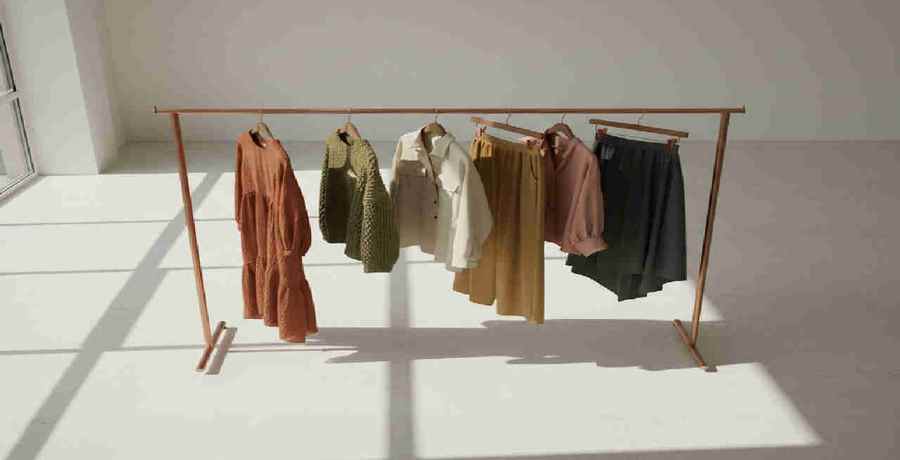
Direct answer. Virtual model clothing, also known as digital fashion or 3D apparel, involves creating garments in a digital environment and displaying them on 3D avatars rather than physical models. This technology is not exclusive to high fashion brands. Small businesses and independent designers can utilize virtual model clothing for design validation, visual merchandising, and communication with manufacturers. It allows for cost savings in sampling, faster design iterations, and more sustainable practices, making it an accessible and beneficial tool for fashion businesses of all sizes, often integrated as part of an AI-powered design workflow.
Many independent designers and small fashion brands believe virtual model clothing is an expensive technology reserved only for large corporations with substantial budgets. This perception is rapidly changing. Advancements in software and AI tools have made 3D garment design more accessible, reducing the financial and technical barriers to entry. Small businesses can now explore virtual modeling to enhance their product development process.
The core benefit for smaller brands lies in efficiency. Instead of multiple rounds of physical samples, which incur material, labor, and shipping costs, designers can iterate digitally. This accelerates the design cycle, allows for more creative exploration, and provides a clear visual for internal teams and potential buyers before any fabric is cut.
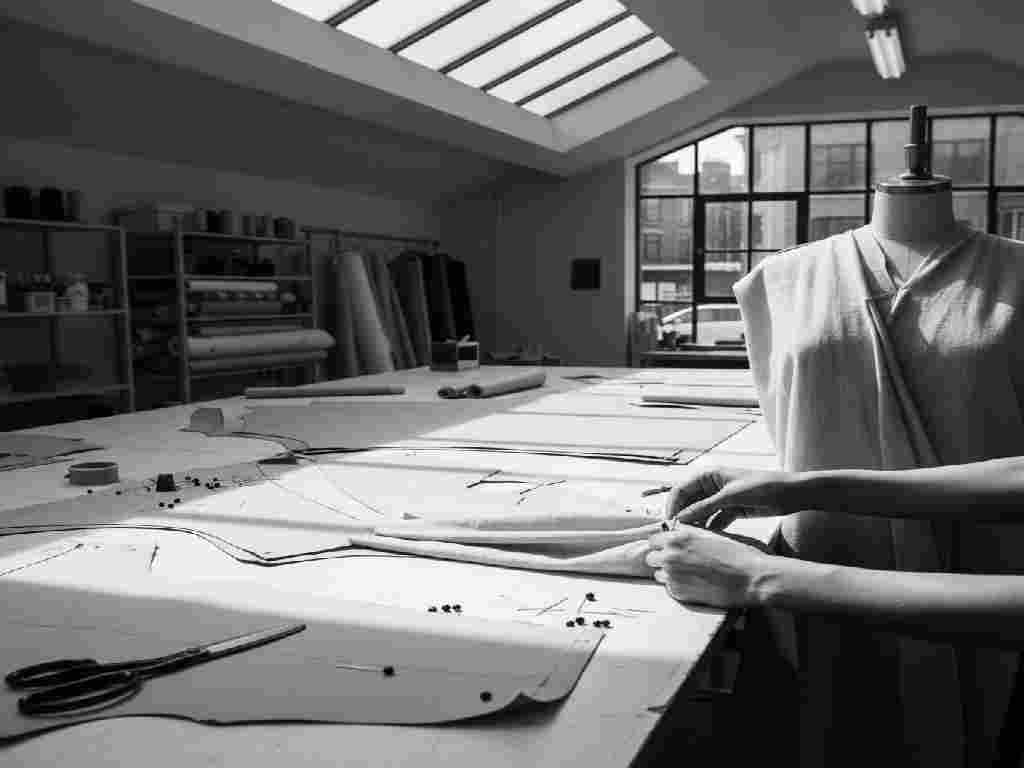
While often showcased in high-profile digital fashion shows, the practical applications of virtual model clothing extend far beyond avant-garde presentations. For small brands, it can be a critical tool for product development and merchandising. Teams can visualize how different fabrics drape, how patterns repeat, and how design elements like trims affect the overall look without producing a single prototype.
Virtual models also facilitate clearer communication with overseas factories. A 3D render, complete with detailed material properties and construction notes, can significantly reduce misinterpretations compared to 2D sketches. This precision helps in defining exact garment specifications, ensuring that the final product aligns with the designer's vision and meets quality standards.
One of the most compelling advantages of adopting virtual model clothing for small businesses is the potential for significant cost reductions. Physical sample rounds are expensive and time-consuming. Each iteration requires fabric, notions, labor for pattern making and sewing, and shipping. By minimizing physical samples, brands save directly on these expenditures. The investment in 3D software and training can often be recouped quickly through these savings.
Beyond cost, there are substantial sustainability benefits. Fewer physical samples mean less material waste, reduced energy consumption for manufacturing and transportation, and a smaller carbon footprint. This aligns with the growing consumer demand for environmentally responsible brands, providing an added marketing advantage for small businesses committed to sustainable practices.
Small businesses often operate with lean teams and established, albeit sometimes informal, workflows. Integrating virtual model clothing does not necessarily mean overhauling an entire system. Many 3D design tools offer compatibility with standard file formats (like DXF for patterns) and can feed directly into existing tech pack creation processes. AI-powered platforms can further streamline this by automating repetitive tasks or generating design variations.
For instance, a technical designer can take sketches, build a 3D garment, validate fit and proportion, and then generate accurate BOMs (Bills of Material) and POMs (Points of Measure) directly from the 3D model. This ensures consistency and accuracy from concept to factory, reducing errors and delays in production.
The ecosystem of tools for virtual model clothing varies widely in complexity and cost. Small businesses can start with accessible options and scale up as their needs evolve. The key is to choose platforms that integrate well and offer a clear path to production-ready output.
While the benefits are clear, small businesses may face challenges in adopting virtual model clothing. These can include the initial learning curve, investment in software and hardware, and integrating new processes with existing ones. However, accessible online tutorials, community support, and increasingly intuitive user interfaces are making it easier to overcome these hurdles.
Starting small, perhaps by digitizing a core collection or using 3D for just the first sample round, can be an effective strategy. Gradual adoption allows teams to learn and adapt without major disruption. Focusing on specific pain points, such as reducing sample costs or improving factory communication, can provide immediate, measurable returns.
The trajectory of the fashion industry is undeniably digital. Virtual model clothing is no longer a futuristic concept but a present-day reality offering competitive advantages. For small businesses and independent designers, embracing this technology means staying relevant, operating more efficiently, and offering products with greater speed and precision. It democratizes many aspects of product development that were once exclusive to large brands, creating a more level playing field.
As AI continues to mature, its integration with 3D design will further simplify complex tasks, making advanced tools even more user-friendly. This evolution ensures that virtual model clothing will expand its reach, solidifying its role as an indispensable component of product development for fashion brands of every size.
You typically need a computer with a powerful graphics card (GPU), sufficient RAM (16GB or more recommended), and a fast processor. High-resolution monitors are also beneficial for detailed design work. While some basic functions may run on standard laptops, professional 3D garment design benefits from a workstation-grade setup.
The learning curve depends on prior experience with 3D software. Many platforms are designed with fashion professionals in mind, offering intuitive interfaces and extensive tutorials. While it requires dedication, small teams can effectively learn and integrate these tools, often seeing significant benefits within a few months of adoption.
For many stages of product development, virtual models can replace physical samples, especially for design validation, fit adjustments, and material visualization. A final physical sample is often still produced to confirm production quality, fabric feel, and garment construction details, but the number of sample rounds can be drastically reduced.
Virtual models provide clear, unambiguous visual instructions. A 3D render demonstrates exactly how a garment should look and fit, supplementing detailed tech packs with precise visual context. This reduces misinterpretations, minimizes errors, and speeds up production approval cycles, which is especially valuable for overseas manufacturing partners.
Investment varies. Software subscriptions can range from tens to hundreds of dollars per month, sometimes with annual discounts. Hardware upgrades might be necessary. Some brands might invest in training courses. However, these costs are often quickly offset by savings in physical sampling, reduced errors, and faster time to market.
Yes, virtual models are increasingly used for e-commerce. High-quality 3D renders can serve as product images, providing consistency and flexibility. Digital models can also be animated or made interactive, allowing customers to view garments from all angles or even try them on virtually, enhancing the online shopping experience.
While understanding pattern making is highly beneficial, some 3D garment software allows designers to drape and manipulate garments directly on a 3D avatar without extensive traditional patternmaking knowledge. However, for precise fit and production-ready patterns, a foundational understanding of garment construction and pattern principles is a significant advantage.
Ready to streamline your product development with tools that respect your budget and accelerate your design process? See the workflow.
Get The F* Word workflow insights in your inbox.