
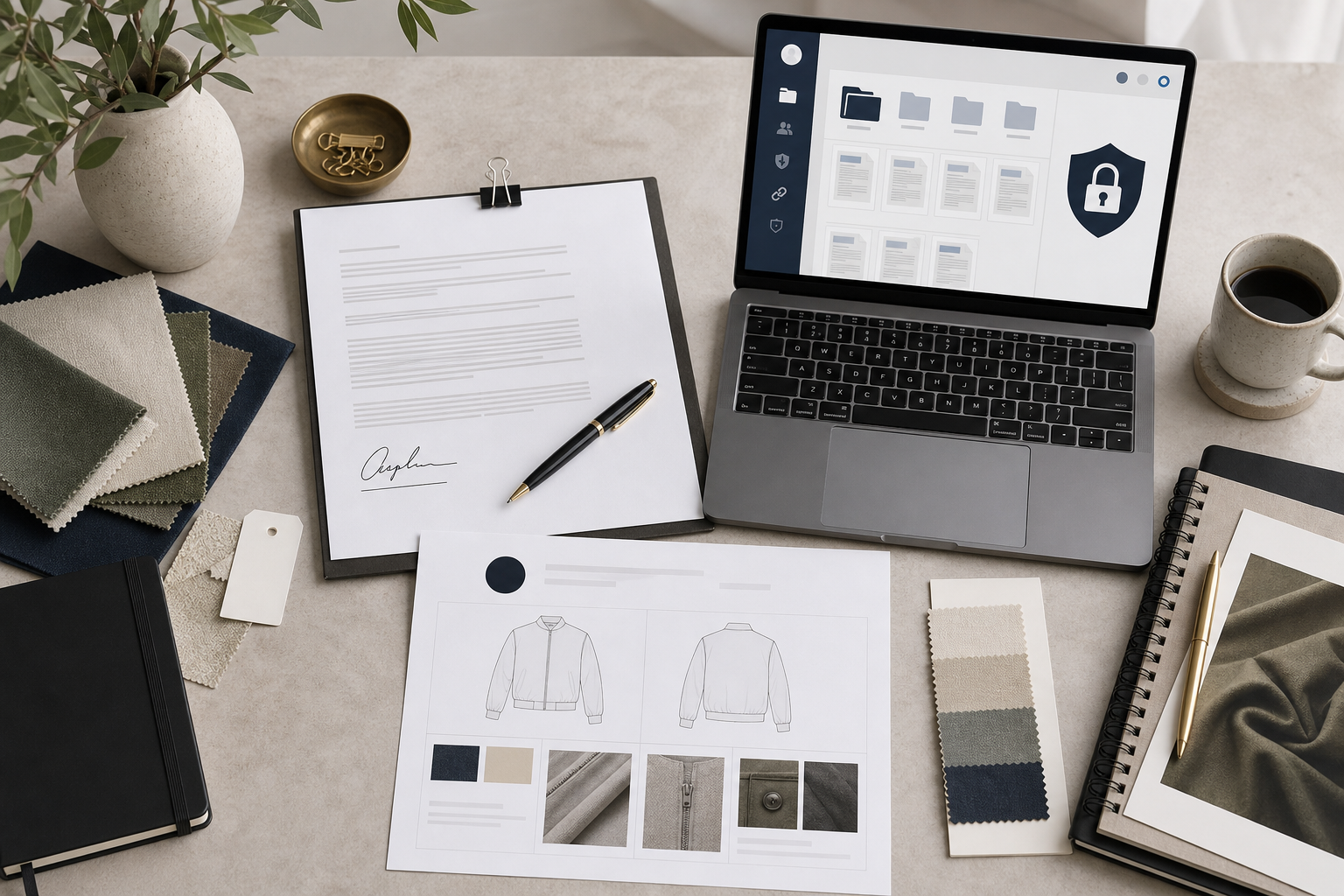
The brand owns the tech pack in 100% of cases. A tech pack is a work of intellectual property (IP), and the brand that commissions and pays for its creation is the legal owner. Even if a factory helps create or refine the document, they are operating as a contractor under a "work for hire" agreement, and the ownership remains with the brand. This ownership should always be explicitly defined in your manufacturing contract to prevent any disputes.

United States copyright law, along with similar laws in most countries, automatically grants ownership of a creative work to its author. For a business, the "author" is the entity that pays for the work to be created. This legal principle, known as the "work made for hire" doctrine, directly applies to tech packs. Because the brand invests its capital, time, and creative direction into developing the specifications, the tech pack is considered its property from the moment of its creation. The factory, in this relationship, is a service provider paid to execute the instructions, not a creative partner with ownership claims. International agreements like the Berne Convention help ensure these copyright principles are recognized across borders, protecting your IP whether your factory is local or overseas.
Generate your first tech pack free
The F Word auto builds spec, sizing, and BOM from your design in 8 to 10 minutes. No template wrangling, no factory back and forth.
A manufacturing agreement is your most powerful tool for formalizing tech pack ownership and preventing IP theft. While copyright law provides a default legal protection, a written contract eliminates all ambiguity. Every brand should ensure their factory contracts include at least three specific clauses to protect their tech packs and related design assets:
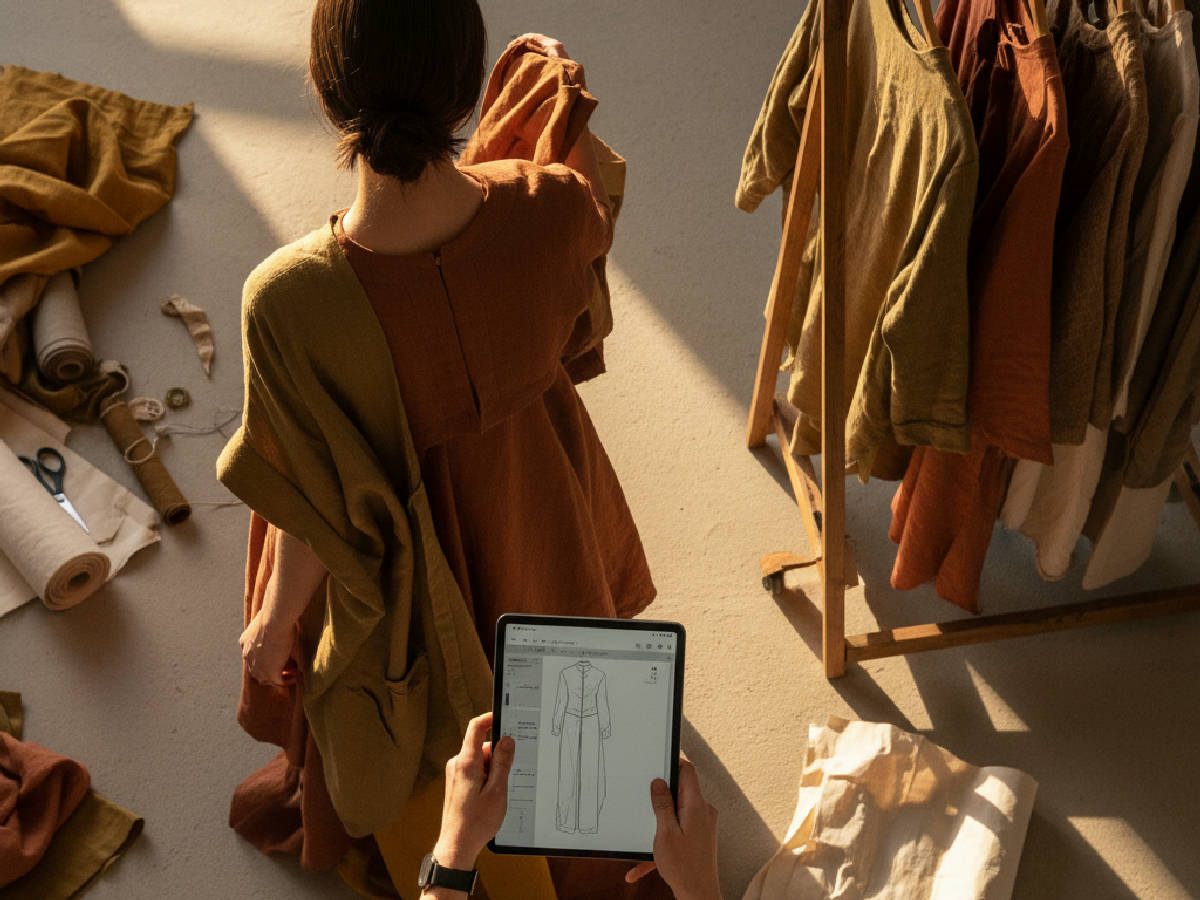
A single, comprehensive tech pack is a significant operational asset defined by the brand's investment. Creating one manually using traditional tools like Adobe Illustrator and Excel requires an average of 30 to 40 hours of a technical designer's time. This time is spent on highly detailed tasks: 5 to 8 hours for precise technical flats, 10 to 15 hours developing the graded spec sheet across all sizes, 5 to 7 hours compiling a complete bill of materials (BOM), and another 5 to 10 hours writing construction details and callouts. This heavy investment of specialized labor and capital is a core reason why the brand, not the factory, is the rightful owner. In contrast, new platforms are changing this equation; The F* Word generates a complete, validated tech pack in just 8 to 10 minutes. This dramatic reduction in labor highlights the difference between a manual versus an AI-driven pre-production workflow, allowing brands to secure their IP faster and more efficiently.
Using a purpose-built AI tech pack tool creates an undeniable and time-stamped record of ownership that is completely independent of any manufacturing partner. When your team generates a tech pack on a platform like The F* Word, the entire creation process happens within your brand's digital environment. This establishes an unbroken chain of custody for your intellectual property. The F* Word functions as a critical validation and orchestration layer for your designs. It is not a PLM, a 3D modeling tool, or a simple image generator; it is engineered to analyze a garment design, validate its components, and generate a complete and correct set of factory instructions. This system also helps you generate moodboards to provide essential creative context for your manufacturing partners. By using intelligent AI for tech packs, you ensure that the IP is captured, validated, and controlled by your brand from the very first minute, effectively eliminating any potential ownership disputes before they can begin.
| Scenario | Default Owner | Key Action for Brands | Risk Level |
|---|---|---|---|
| Brand creates tech pack in-house | Brand | Include IP clauses in factory contract |
Low |
| Brand uses an AI tool like The F* Word | Brand | Maintain software license and account |
Very Low |
| Brand hires a freelance technical designer |
Brand | Sign a "Work for Hire" agreement with the freelancer |
Low |
| Factory drafts a new tech pack for the brand |
Brand | Contractually define as work-for-hire and demand source files |
High |
| Factory modifies a brand-provided tech pack |
Brand | Track all changes and get updated source files for each version |
Medium |
It is common for emerging brands to lean on a factory's expertise to build out a tech pack from a sketch or physical sample. Even in this situation, the tech pack is still owned by the brand. The factory is providing a service for which the brand is paying, making it a clear-cut case of work for hire. However, this scenario introduces significant practical risks. The primary danger is a loss of control. If the factory creates and holds the only copy of the tech pack files, they can effectively hold your design hostage, making it difficult to get competitive bids or move to a new supplier. They may also become complacent, believing the design is "theirs" to modify or, in the worst cases, reuse for other clients. To mitigate this, you must contractually mandate that all tech pack creation is a paid service and that all source files must be delivered to you as a final deliverable.
Your tech pack is your IP. Own it from the start. The F* Word generates a complete, validated, and factory-ready tech pack in 8 to 10 minutes. Start free at thefword.ai or book a demo.
A factory's claim to ownership is legally incorrect and often a bad-faith negotiation tactic. Immediately refer to the intellectual property clause in your manufacturing agreement, which should clarify that all work product belongs to your brand. If your contract lacks this language, you should cease working with that factory or have them sign a standalone IP assignment agreement before proceeding with any new production.
No, a factory cannot legally use your tech pack for another brand. Doing so constitutes a breach of contract, a violation of your confidentiality agreement, and copyright infringement. A strong manufacturing agreement with clear IP and NDA clauses gives you firm legal ground to issue a cease-and-desist order and pursue damages if your IP is misused.
No, this does not change ownership. A pattern is a component of the final garment design, and the patternmaker is acting as a subcontractor in a work-for-hire capacity. The brand is paying for the service of creating the pattern as part of the total cost of development and production. Therefore, ownership of the pattern, and the tech pack that documents it, remains with the brand.
Get The F* Word workflow insights in your inbox.