

Fashion brands are often bogged down by the complex process of organizing and executing product photoshoots. Traditional methods are time-consuming and costly, as they involve coordinating photographers, models, and studio setups. Automated fashion photoshoot software is emerging as a crucial tool for reducing both time and expenses in this phase. By automating image capture, editing, and cataloging, fashion businesses can significantly optimize their operations.
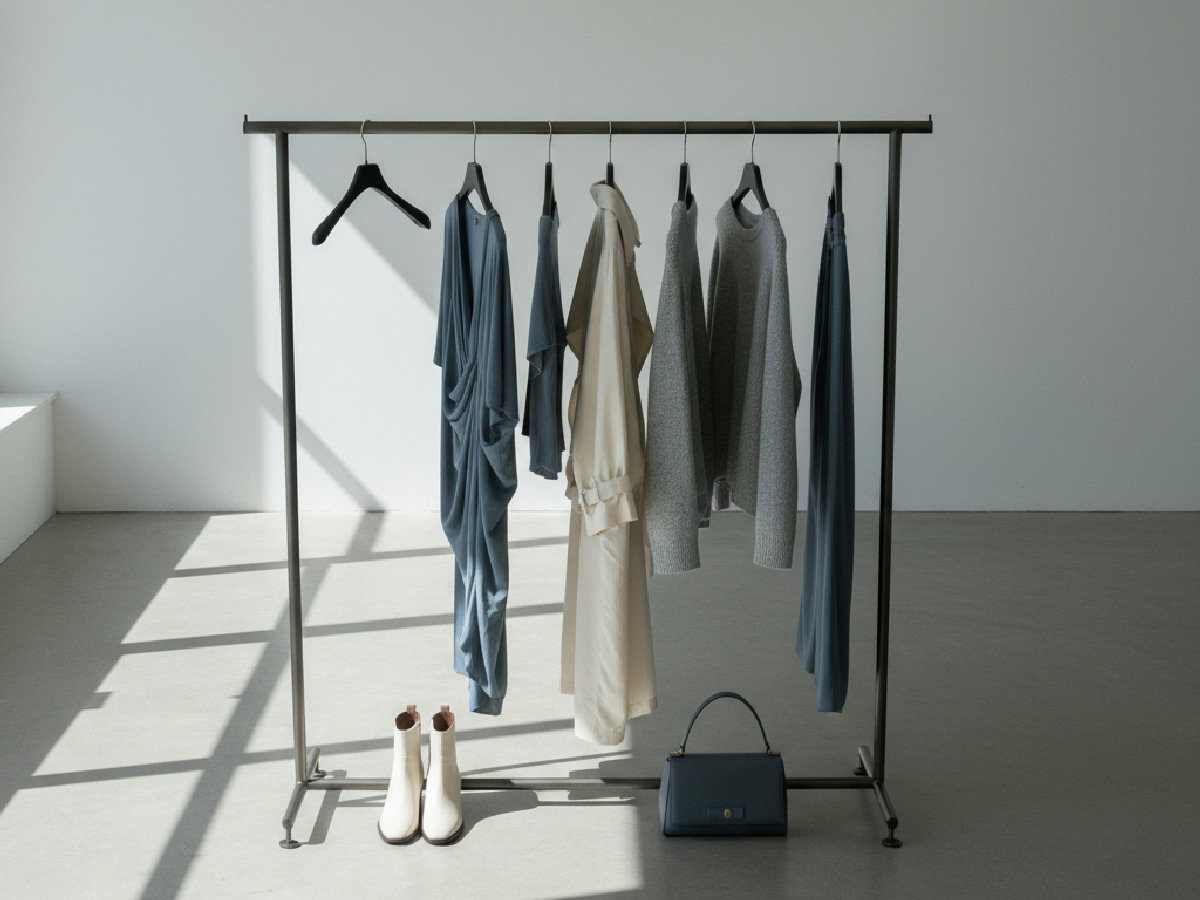
What this looks like in practice: A brand manager at a mid-size label with 150 SKUs per season can use automated software to schedule shoots, allocate resources, and receive edited images, all from a centralized platform. This eliminates the need for multiple emails and manual scheduling, reducing the workflow from days to mere hours.
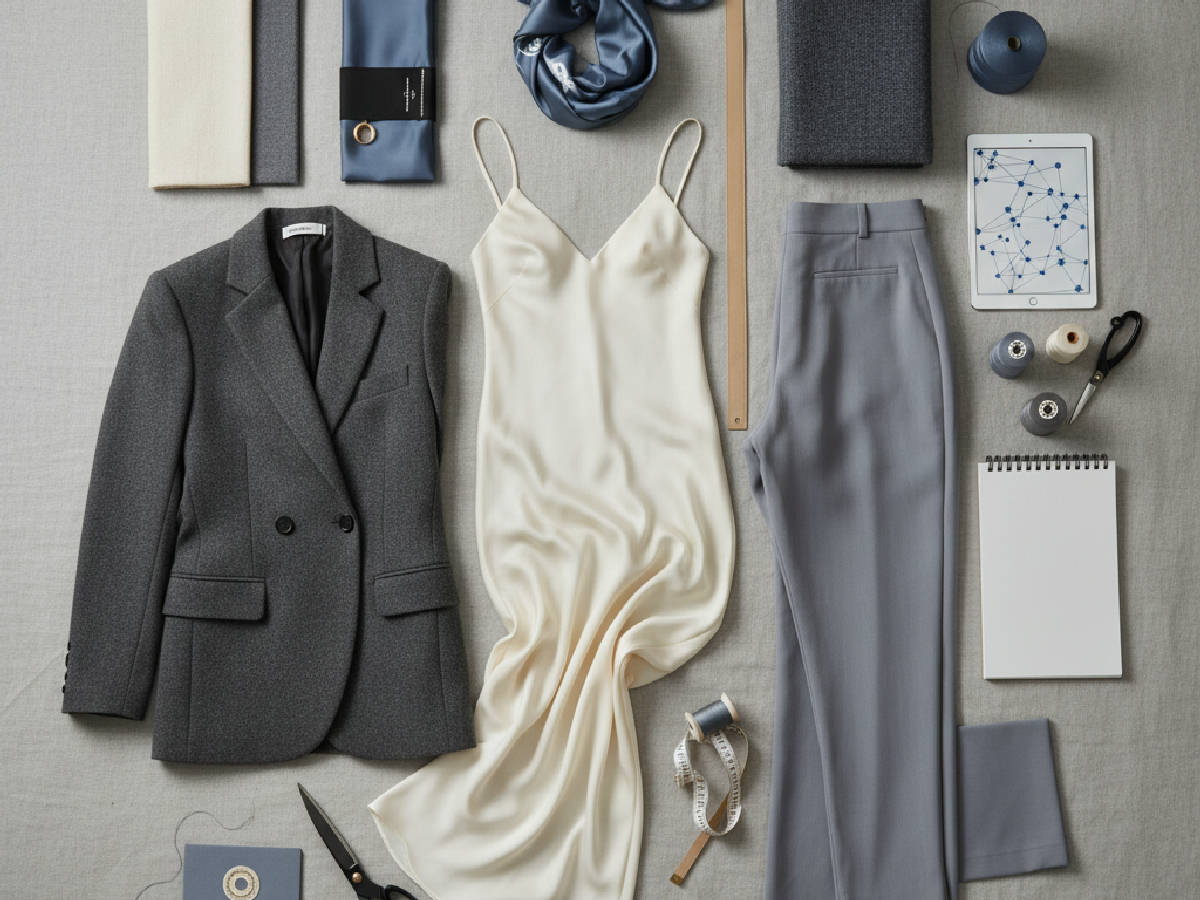
Merchandiser? Ship a launch where the deck and the factory match.
The F* Word connects moodboards, tech packs and merchandising prep, so your launch story and the factory order tell the same story. Free to try.
According to Forbes, automated fashion photography solutions can reduce the time spent on photoshoots by up to 80%. This efficiency allows brands to swiftly update online catalogs and respond to market trends. Additionally, Market Research Future projects that the global market for these solutions will grow at a 15% CAGR from 2023 to 2028, underscoring the increasing demand for streamlined digital marketing and e-commerce operations.
What this looks like in practice: A digital marketing lead at a fast-fashion retailer uses automation to refresh the website's product pages weekly. By using software that automatically adjusts product images to fit various online formats, the team can focus more on optimizing customer engagement strategies.
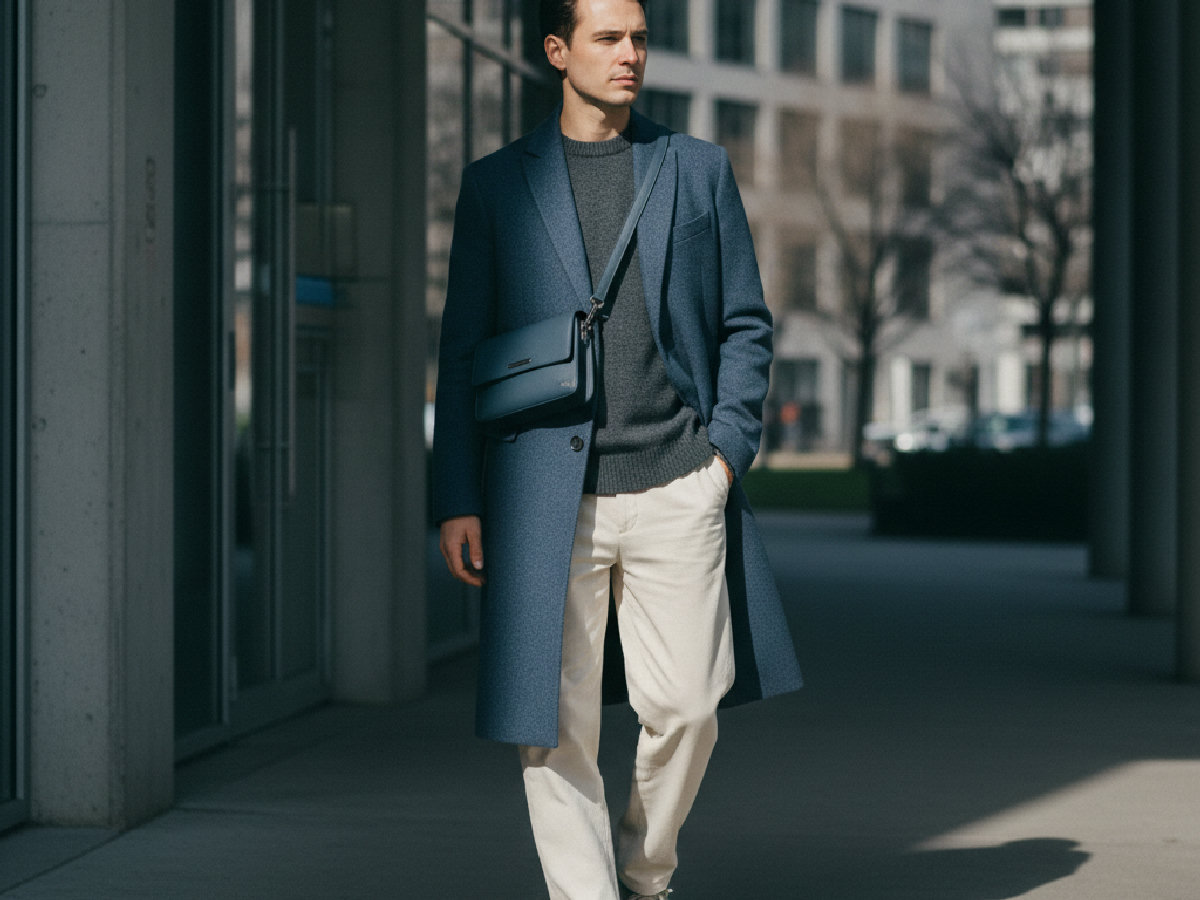
Automated photoshoot software integrates AI technology to manage several tasks traditionally handled by humans. For instance, image capture can be programmed to adjust lighting and angles based on predefined style guides, reducing the need for extensive manual adjustments. Post-production editing is another area where AI excels, as it can automatically retouch images, ensuring consistency across a brand's portfolio.
Common pitfalls: Over-reliance on automated settings can sometimes lead to a lack of creativity in shoots. It's vital for creative directors to ensure that the brand's unique style and ethos are not lost in the automation process. Manual interventions might still be necessary to inject a human touch into certain shoots.
What this looks like in practice: A creative director at a luxury brand collaborates with technical teams to set precise image styling guidelines into the software. This collaboration allows for automated efficiency while maintaining the brand's high aesthetic standards.
Consider a brand that typically spends $1,000 on a traditional photoshoot for a single product, inclusive of photographer fees, model costs, and studio rentals. With automated software, these costs can be reduced to $500, thanks to minimized human involvement and quicker shoot times. This reduction leads to a cost saving of 50% per product shoot.
Expanded Example: Assume the brand shoots 100 products per season. Traditional costs would total $100,000. Automation reduces this to $50,000, saving $50,000 per season. If peak season requires a faster turnaround, the software can also adjust settings for night shoots, ensuring deadlines are met without additional overtime costs.

The F* Word offers a comprehensive platform that integrates AI-powered photoshoot capabilities with other facets like tech pack generation and trend analysis. Our system allows brands to capture images and smoothly integrate them into their e-commerce and marketing workflows. By using AI for real-time trend analysis, brands can make informed decisions about which products to prioritize in their promotional efforts.
What this looks like in practice: A merchandising manager at a contemporary fashion brand uses The F* Word platform to align new arrivals with current trends. The AI system suggests which products should be prioritized in marketing campaigns based on real-time data, ensuring maximum market relevance.
While automated photoshoot software offers substantial benefits, it comes with some limitations. The technology may struggle with highly creative shoots that require unique, artistic input. Additionally, software limitations can become apparent when dealing with detailed designs or unconventional materials that require specific lighting and angles.
What this looks like in practice: An artistic director at a heritage brand might find that the software's automated settings cannot fully capture the texture of detailed fabrics. In such cases, manual intervention is necessary to ensure the brand's rich history and craftsmanship are accurately portrayed.
The Capture Cycle consists of four main stages: Pre-Production Planning, Automated Capture, AI-Driven Editing, and Integration. This framework helps brands systematically approach the photoshoot process, ensuring that each stage is optimized for efficiency and consistency. While automation significantly reduces manual input, creative oversight remains essential to maintain brand integrity and artistic vision.
How to apply: Start with detailed pre-production planning, where creative and technical teams outline the brand's aesthetic needs. During automated capture, ensure software settings align with these guidelines. AI-driven editing should maintain consistency across images, followed by smooth integration into marketing materials.
Impact metrics: Brands can expect a 40-60% reduction in photoshoot costs and a 70-80% decrease in turnaround time. However, if creative oversight is lacking, brands might face a diluted brand image.
Tradeoffs and failure modes: While cost and time savings are significant, a potential tradeoff is the loss of unique artistic flair, especially in high-fashion segments. Teams must balance between automation and manual creativity to avoid homogenization.
The F* Word's platform is designed to streamline tech pack creation, allowing for faster product development cycles and fewer sampling rounds. By integrating AI-powered photoshoot capabilities, brands can enhance their tech packs with high-quality images, ensuring that each product is presented accurately and attractively. Visit The F* Word to explore our comprehensive solutions.
Implementing automated fashion photoshoot software requires a strategic approach to team adoption and training. It is essential to ensure that all team members, from photographers to marketing managers, are adequately equipped to work with the new technology. Training sessions should focus on understanding software functionalities and how to best integrate them into existing workflows.
What this looks like in practice: A project manager at a large retail chain organizes workshops to help staff transition to automated processes. These workshops are designed to cover various aspects of the software, including setup, operation, and troubleshooting, ensuring that every team member can effectively contribute to the streamlined workflow.
Quality assurance is a critical component when adopting automated processes. Ensuring that the final product images meet brand standards requires a strong QA process that can quickly identify and correct any discrepancies. Automated systems can assist in flagging inconsistencies, but human oversight is indispensable for maintaining quality and brand coherence.
What this looks like in practice: A QA specialist at a boutique fashion label uses automated tools to scan product images for inconsistencies in color and detail. If any issues are detected, they are promptly reviewed and corrected manually to maintain the brand's high standards.
It's a technology that automates the process of capturing, editing, and organizing fashion product images using AI. This software streamlines the workflow by reducing the need for manual intervention, allowing brands to focus on strategic aspects like design and marketing. By automating repetitive tasks, it enhances efficiency and reduces error rates.
It reduces time and costs associated with traditional photoshoots, allowing for quicker updates to online catalogs. Brands can achieve up to 50% cost savings per shoot and cut down the time to market by 80%. This agility enables brands to react swiftly to fashion trends, minimizing stock wastage and maximizing sales opportunities.
While it excels in standard product shoots, creative or highly customized shoots may still require human input. For example, shoots that demand unique lighting setups or artistic direction might benefit from a hybrid approach, combining automated and manual techniques to achieve the desired result.
Our platform integrates AI-powered photoshoot capabilities with trend analysis, automated tech packs and moodboard creation, offering a holistic solution. It supports brands in aligning their products with market trends, enhancing the shopping experience with moodboard generation, and ensuring a cohesive brand narrative across all digital touchpoints.
Yes, certain artistic elements and complex designs might still need manual adjustments. While automation handles routine tasks efficiently, capturing the essence of a unique design often requires human creativity and expertise. Ensuring that the software settings are fine-tuned to accommodate specific needs can mitigate these limitations.
Related: fashion automation software
Get The F* Word workflow insights in your inbox.