
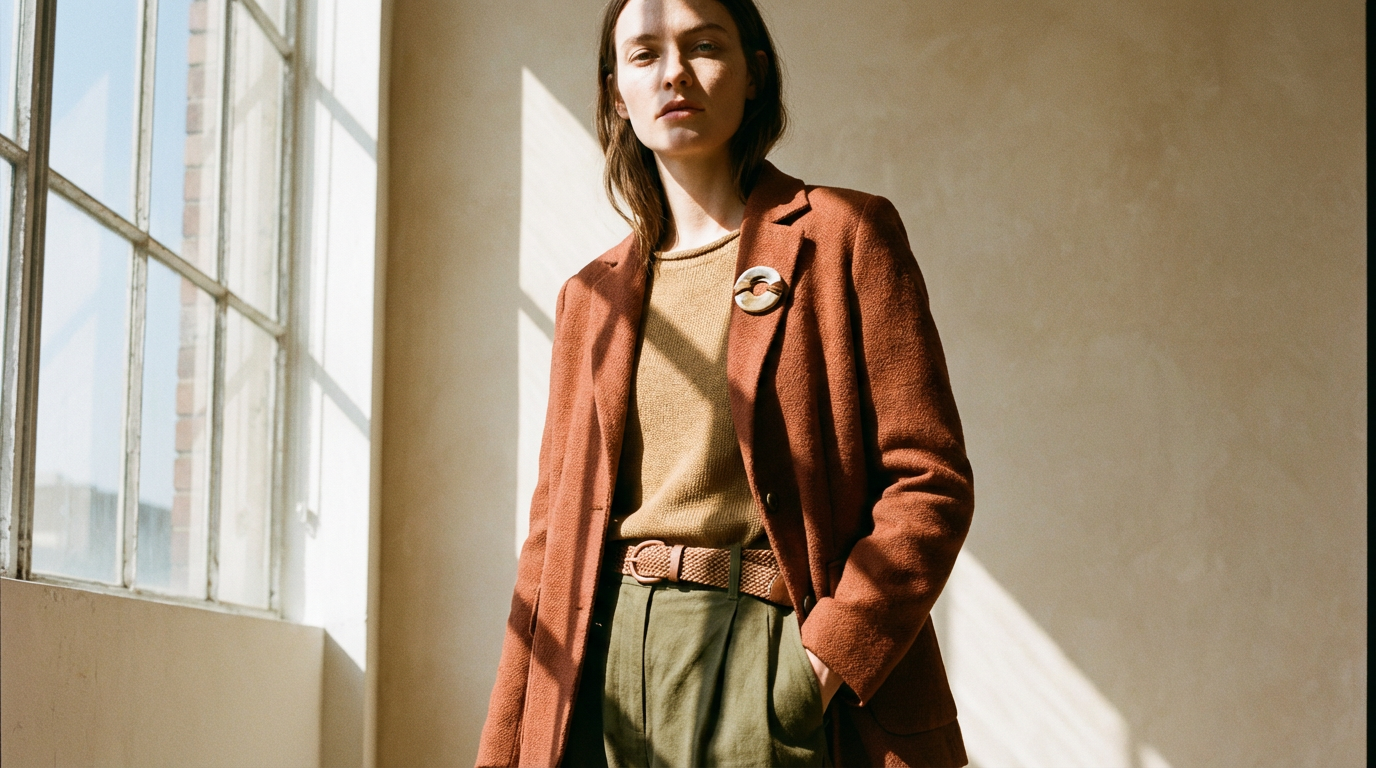
AI needs brand guidelines that behave like operating rules: silhouette boundaries, material preferences, color logic, fit standards, print rules, customer context, and things the brand will never do.
This guide explains how to define your brand’s digital DNA, structuring it for optimal use with image generation models. We will cover building a tagged asset library, crafting precise negative prompts, and integrating these guidelines into your creative and pre-production workflows to maintain brand consistency from initial concept to the final tech pack.
Before you can effectively integrate AI into your fashion design process, you must first articulate your brand’s digital DNA with absolute clarity. This goes beyond traditional brand guidelines, exploring into the specific visual and conceptual elements that make your brand recognizable and resonate with your target audience. Think of it as creating a comprehensive "profile" that AI can understand and learn from.
By meticulously defining these parameters, you provide AI with the foundational knowledge it needs to generate outputs that are not just creative, but also deeply rooted in your brand's identity.
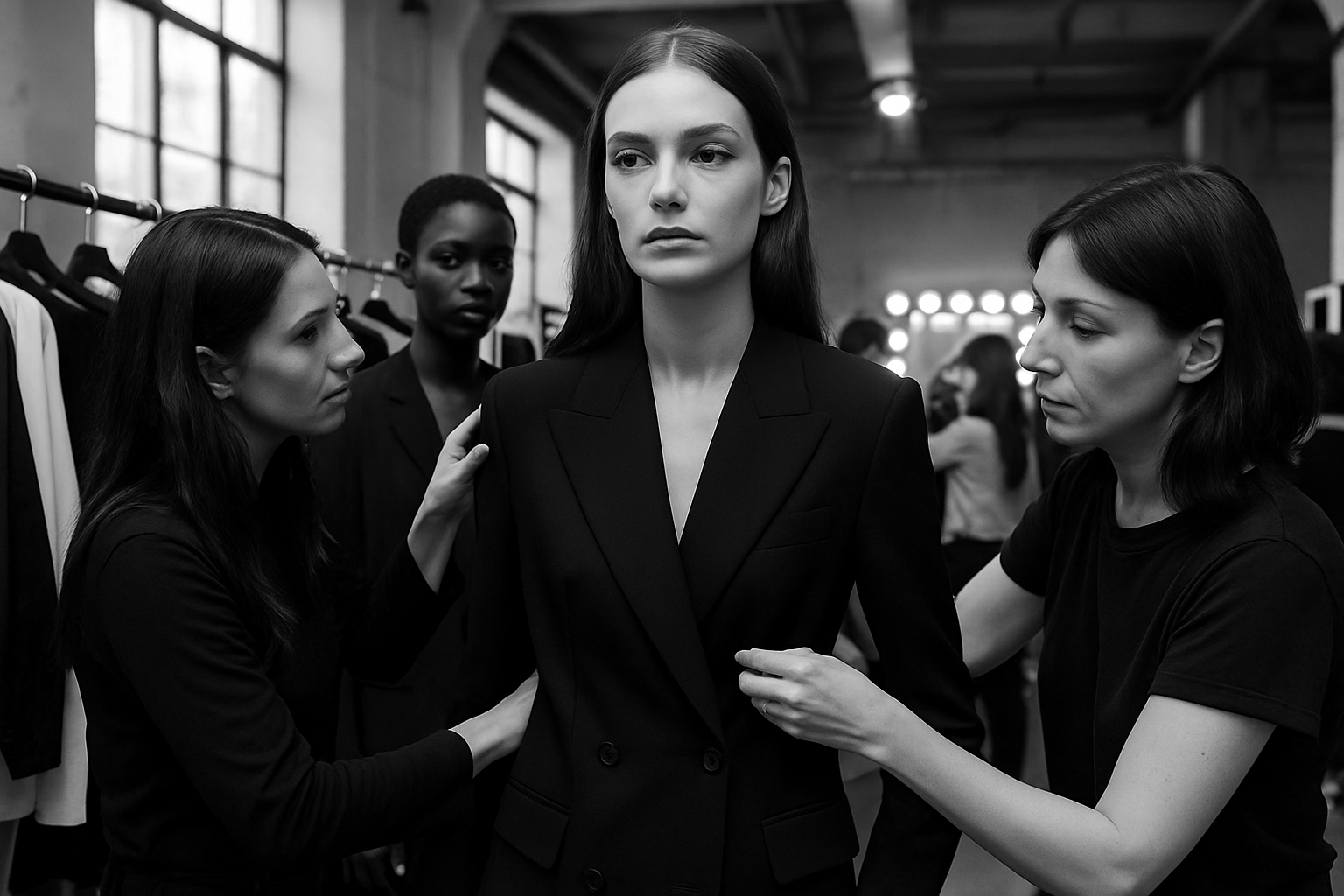
Integrating AI into your fashion design workflow requires a deliberate and strategic approach. It's not about replacing human creativity, but augmenting it to explore more possibilities and accelerate the design cycle. Effective implementation ensures that AI serves as a powerful co-creator, rather than a random generator.
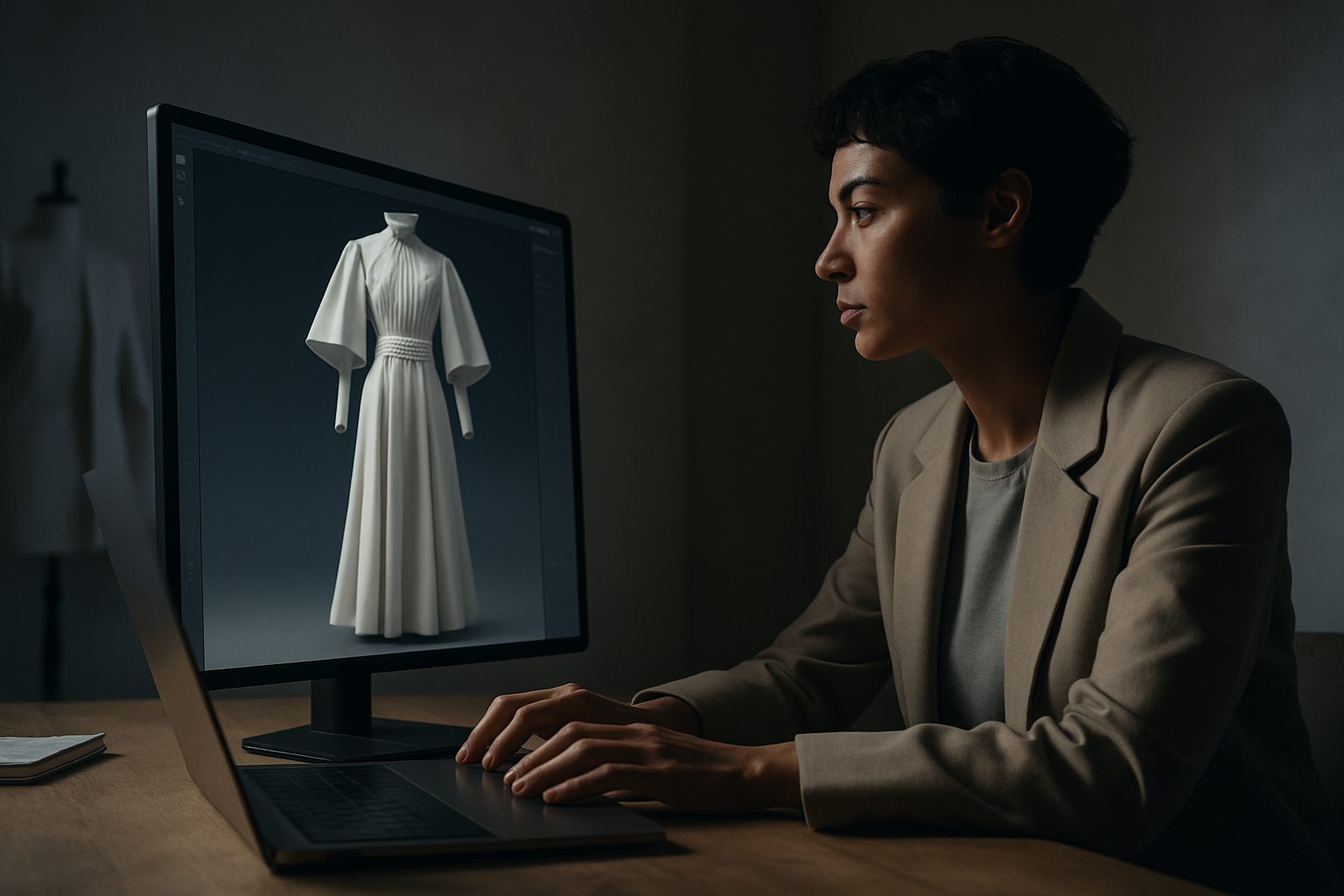
Consider the different stages where AI can be impactful. For initial mood boarding and concept generation, AI can rapidly create visual collages based on textual prompts and image inputs, helping to consolidate themes. During the sketch and prototyping phase, AI tools can generate variations of existing designs, explore new fabric combinations, or even simulate how garments will drape and move, saving significant time and material costs in physical prototyping.
AI can assist in trend forecasting by analyzing vast amounts of data from social media trends to sales figures, to identify emerging styles and consumer preferences. This data-driven insight can inform design decisions, ensuring your collections are both innovative and market-relevant. The key is to map out your existing design process and identify specific pain points or areas where AI can offer a measurable advantage, always with your brand guidelines firmly in mind.
Creative director? Go from trend signal to moodboard and tech pack.
The F* Word turns a real-time trend into a brand-aligned moodboard and the factory-readable tech pack that ships it. One workflow, free to try.
The quality of AI output is directly proportional to the quality of its input. When it comes to fashion design, crafting effective prompts and feeding AI with relevant data is paramount to achieving on-brand results. This isn't just about describing what you want; it's about instructing the AI in its own language, using its capabilities while respecting your brand's boundaries.
Start with specific, descriptive language. Instead of "design a dress," try "design an elegant evening gown for a sophisticated woman, featuring a bias-cut silk charmeuse in deep emerald green, with intricate art deco beadwork along the neckline, reminiscent of 1920s flapper aesthetics but with a modern, streamlined silhouette. The brand is known for its minimalist luxury and sustainable practices." Provide reference images that embody your brand's aesthetic, existing garments, fabric swatches, color palettes, and even architectural styles that inspire your brand.
It's also crucial to experiment and iterate. AI models learn through feedback. If an initial output isn't quite right, adjust your prompt, refine your inputs, and guide the AI towards the desired outcome. Think of it as a collaborative dialogue, where your expertise steers the AI's creative process. Regularly update your AI models with new brand assets, successful designs, and evolving guidelines to keep its understanding fresh and accurate.

The journey of integrating AI with your brand guidelines is not a one-time setup; it's an ongoing process of measurement, feedback, and refinement. To truly use the power of AI, you need a clear framework for evaluating its outputs against your established brand DNA and iterating accordingly.
Establish clear KPIs (Key Performance Indicators) for AI-generated designs. This could include metrics like "brand conformity score" (how well a design aligns with visual guidelines), "novelty score" (how innovative the design is while staying on brand), and even "market appeal" based on simulated consumer feedback or early-stage testing. Collect qualitative feedback from your design team: is the AI capturing the subtleties of your brand? Is it offering genuinely new insights, or just variations on a theme?
Use this feedback to continuously refine your brand guidelines, making them more precise where AI struggles, or expanding them where AI identifies new creative avenues. Update your AI models with the best-performing designs and the specific prompts that yielded them. This iterative loop, define, implement, generate, measure, refine, ensures that your AI capabilities evolve in tandem with your brand, always pushing the boundaries of creativity while remaining authentic to your identity.
By providing AI with your core brand guidelines, including specific color palettes, fabric types, silhouettes, and aesthetic principles, the AI can learn to generate designs that inherently adhere to these rules. When creating new product lines, you can prompt the AI with these foundational elements, ensuring that even novel designs carry your brand's distinct signature, fostering consistency across collections.
No, AI is not designed to replace human fashion designers but rather to augment their capabilities. AI excels at rapid ideation, generating variations, and analyzing data, freeing up designers to focus on higher-level creative direction, strategic vision, and the emotional storytelling that only humans can provide. It's a powerful tool that enhances creativity and efficiency, making designers more productive and innovative.
This is a common challenge that emphasizes the importance of refined prompts and iterative feedback. If AI generates off-brand designs, review your input prompts to ensure they are specific and comprehensive. Provide more examples of what aligns with your brand (positive examples) and what doesn't (negative examples). Continuously refine your brand's digital DNA and feed these updates back to the AI model. It's a learning process for both you and the AI.
The amount of data needed varies depending on the complexity of your brand's aesthetic and the AI model being used. Generally, a reliable dataset comprising hundreds to thousands of images of your past collections, fabric swatches, mood boards, and even design sketches, accompanied by descriptive metadata, will yield the best results for fine-tuning. The more diverse and representative the data, the better the AI will understand and replicate your brand's unique style.
Mastering AI in fashion design means mastering your brand's digital DNA and translating it into a language AI can understand. By establishing clear guidelines, strategically implementing AI, crafting precise prompts, and continuously iterating based on feedback, you can unlock a new era of creativity and efficiency. This isn't just about design; it's about evolving your brand's identity for the future. Try The F* Word free and turn this insight into shipped product.
Once the concept is approved, the next steps move it from board to factory floor.
Related: ai design variant selection
Get The F* Word workflow insights in your inbox.