
Direct answer. Virtual model clothes significantly reduce the environmental impact associated with traditional garment production by eliminating physical manufacturing processes. This includes drastically cutting down on textile waste, conserving water and energy used in dyeing and finishing, and lowering carbon emissions from transportation and logistics. By replacing the need for physical samples and photo shoots, virtual clothing offers a sustainable alternative that minimizes raw material consumption and pollution throughout the product development lifecycle, ultimately contributing to a more eco-conscious fashion industry that aligns with global sustainability goals.
Virtual model clothing refers to digital garments created using 3D design software, often "worn" by AI-generated models or digital avatars. These virtual garments exist purely in the digital realm, used for everything from conceptual design and marketing campaigns to metaverse fashion. They are not physical items and therefore do not require traditional manufacturing.
The creation process typically involves digital pattern making, 3D rendering, and texture application, mimicking the drape and appearance of real fabrics. This digital-first approach enables brands to visualize and present new collections without producing a single physical sample, offering a compelling alternative to conventional product development methods.
One of the most profound environmental benefits of virtual model clothing is its capacity to reduce waste. Traditional fashion design relies heavily on physical samples, leading to significant material waste during concepting, fit adjustments, and showroom presentations. Fabric scraps, overproduced samples, and unsold inventory are common byproducts.
Virtual clothes bypass this entire cycle. Designers can iterate on patterns, colors, and textures digitally, making endless revisions without consuming any physical resources. This drastically cuts down on textile waste, which notoriously clogs landfills and pollutes ecosystems. The ability to refine designs virtually before committing to physical production ensures that only validated, market-ready styles proceed to manufacturing, minimizing material waste at every stage.
The environmental footprint of physical garment production extends beyond waste to include substantial resource consumption. Water, energy, and chemicals are heavily used in textile cultivation, dyeing, finishing, and washing. For instance, conventional cotton is a water-intensive crop, and textile dyeing processes are significant contributors to water pollution.
Virtual model clothing, by contrast, consumes minimal physical resources. There's no need for water for irrigation or dyeing, no energy for manufacturing machinery or steaming, and no chemical dyes or finishes. The computational energy required to render digital garments is substantially less than the energy and resources demanded by physical production, offering a clear path to reducing the fashion industry's overall environmental impact.
The global supply chain for physical clothing involves extensive transportation, from raw material sourcing to manufacturing, distribution, and retail. Each stage contributes to significant carbon emissions from shipping, air freight, and road transport. Sample rounds alone often crisscross continents, generating a substantial carbon footprint.
Virtual model clothing eliminates much of this logistical burden. There are no physical samples to ship, no fabric rolls to transport, and no finished goods requiring complex distribution networks for initial visualization and marketing. The digital files can be instantaneously shared worldwide, dramatically lowering transport-related carbon emissions and contributing to a more sustainable, less carbon-intensive product development workflow.
Beyond product development, virtual model clothing also impacts the environmental footprint of marketing and sales. Traditional campaigns often involve producing specific garment samples for photoshoots, flying models and creative teams to locations, and managing bulky display inventory for showrooms.
With virtual garments, entire campaigns can be executed digitally. Brands can create lifelike imagery and videos using AI models, present collections in virtual showrooms, and feature designs in online metaverses without consuming any physical resources or incurring travel-related emissions. This approach saves costs and significantly reduces the environmental impact associated with promotional activities, aligning marketing efforts with sustainability goals.
The rise of virtual model clothing is underpinned by advancements in various digital technologies, making it a viable and scalable solution for the fashion industry. These tools enable complex design, realistic visualization, and efficient data management.
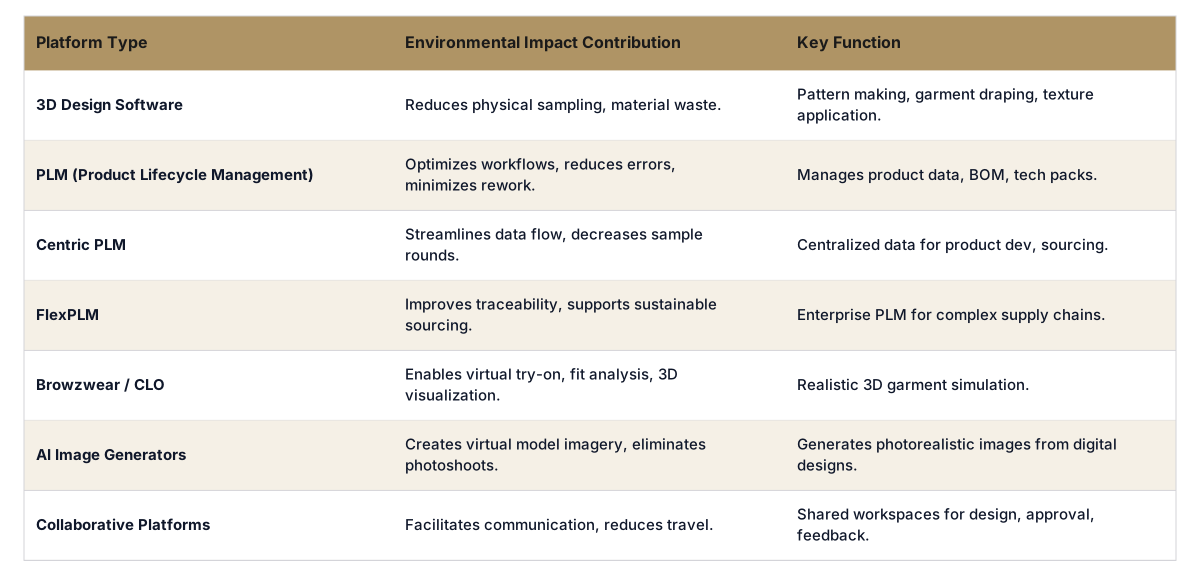
These technologies empower fashion brands to adopt more sustainable practices throughout their value chain, from initial sketch to final marketing. The integration of 3D design with PLM systems ensures that virtual assets are properly managed and can inform physical production only when necessary, building a more mindful approach to fashion creation.
As the fashion industry increasingly grapples with its significant environmental impact, virtual model clothing offers a clear and scalable solution. Its adoption signals a shift towards digital-first strategies that prioritize ecological responsibility without compromising creativity or commercial viability. The continued development of AI, 3D design, and digital collaboration tools will further enhance the capabilities of virtual fashion, making it an indispensable component of future sustainable practices.
Ultimately, by embracing virtual model clothing, brands can cultivate a more ethical and environmentally conscious approach to fashion, aligning with consumer demands for greater sustainability and contributing positively to global efforts against climate change.
Virtual model clothing refers to digital garments created using 3D software and "worn" by digital avatars or AI models. These garments exist solely in the digital realm and are used for design, marketing, and metaverse applications without any physical production.
Virtual clothing eliminates the need for physical samples during design and development. Designers can iterate and refine styles digitally, preventing countless fabric scraps and sample garments from ending up in landfills, significantly reducing textile waste.
Yes, virtual fashion drastically decreases water consumption. Traditional textile production, especially dyeing and finishing, uses immense amounts of water. Since virtual garments are digital, they require no water for manufacturing processes, offering substantial water savings.
Absolutely. By removing the need for physical samples and reducing reliance on traditional photoshoots and showroom displays, virtual fashion minimizes global shipping and transportation. This directly cuts down on carbon emissions associated with logistics and travel.
Virtual clothing eliminates the consumption of raw materials like cotton, polyester, and dyes during the product development and marketing phases. Materials are only sourced for final production, after designs are validated digitally, leading to more efficient and less wasteful material usage.
Overall, yes. Virtual fashion inherently avoids many of the environmentally damaging aspects of traditional physical garment production, including excessive waste, high water and energy consumption, and significant carbon emissions from logistics. It provides a more sustainable alternative for various stages of the fashion lifecycle.
Fashion teams pairing virtual model clothing with AI-generated tech packs cut sampling rounds further. The F* Word turns a virtual garment into a factory-ready tech pack (BOM plus construction notes) in 8 to 10 minutes, so the sample you approve digitally is the sample the factory can actually build.
Ready to integrate sustainable virtual workflows into your design and development process? See the workflow.
Ready to move from generic AI outputs to production-ready workflows? The F* Word turns a garment design into a factory-ready tech pack in 8 to 10 minutes, complete with BOM and construction notes. See how tech pack generation works or book a demo.
Get The F* Word workflow insights in your inbox.