
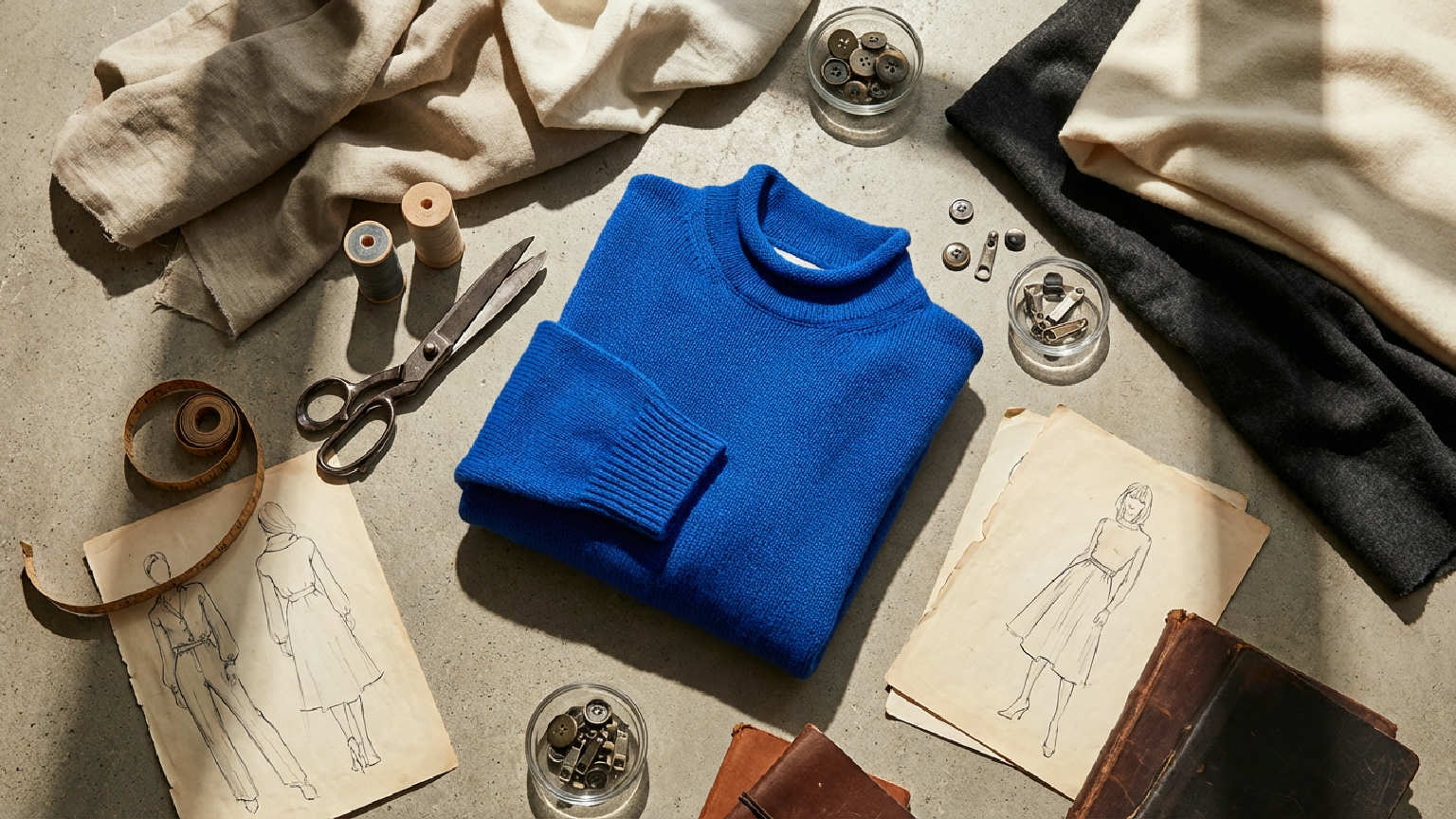
Translating creative intent into an executable spec means fixing colourway, fabric, silhouette, trims and tolerances before a factory ever sees the design. The F* Word does that translation and returns a factory-ready tech pack in 8 to 10 minutes with bill of materials.
In the dynamic world of fashion, the journey from a fleeting creative vision to a tangible product is often fraught with miscommunication and inefficiency. This is particularly true when bridging the gap between artistic inspiration and technical execution. The traditional process frequently involves a disconnect between a designer's initial moodboard and the detailed tech pack needed for manufacturing. This article explores how AI is reshaping this workflow, ensuring creative intent is not just preserved but enhanced throughout the product development lifecycle, empowering teams to move from a powerful fashion tech moodboard to a comprehensive tech pack with unprecedented accuracy and speed.
Historically, a moodboard served as a collage of inspiration, textures, colors, silhouettes, and cultural references, a visual language to articulate a collection's overarching theme. While its core purpose remains the same, the modern fashion tech moodboard, empowered by AI, transcends its static origins. It's no longer just a collection of images; it's a living document, a dynamic ecosystem of data and creative intent that AI can interpret and extrapolate from.
AI's ability to analyze vast datasets of fashion trends, consumer preferences, and historical designs allows for moodboards that are aesthetically compelling and strategically informed. Imagine an AI sifting through thousands of runway looks, social media trends, and sales data to suggest elements that resonate with your target demographic, all while maintaining the integrity of your initial creative spark. This data-driven approach elevates the moodboard from a purely inspirational tool to a powerful strategic asset, guiding design decisions with predictive insights.
AI can help designers refine their moodboards by identifying stylistic harmonies and potential contradictions. It can suggest complementary materials, color palettes, or even garment constructions that amplify the aesthetic direction. This iterative feedback loop, powered by sophisticated algorithms, ensures that the initial creative vision is consistently honed and strengthened, culminating in a more cohesive and impactful design direction before even a single sketch is made.
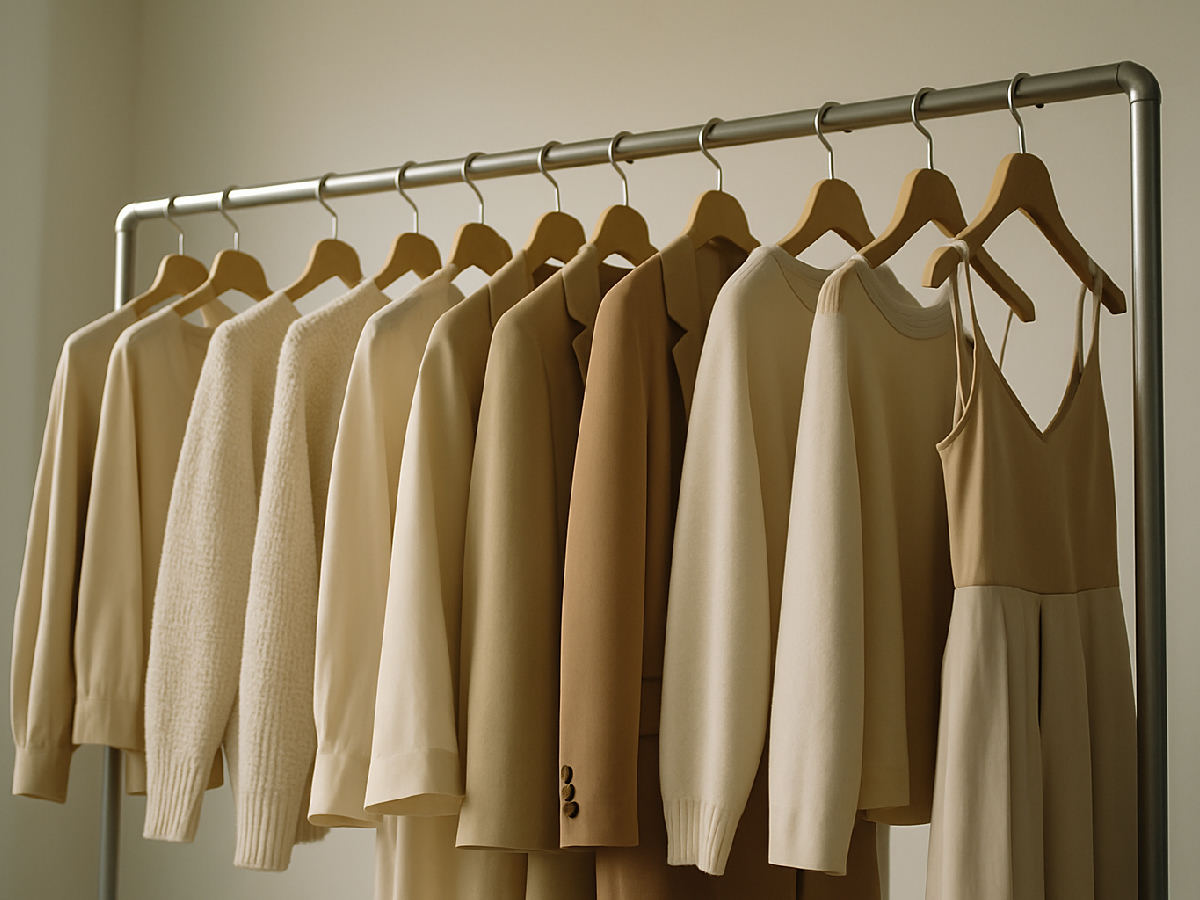
Once the fashion tech moodboard is established, the next critical step is translating those abstract ideas into concrete design sketches. This is where generative AI truly shines. Instead of manual sketching, which can be time-consuming and limit the exploration of variations, AI can generate a multitude of design options based on the moodboard's parameters. This rapidly accelerates the ideation phase, presenting designers with a wider array of possibilities to consider.
These AI-generated sketches are not mere reproductions but intelligent interpretations of the moodboard's essence. An AI can learn from existing garment structures, fabric properties, and fit data to create technically plausible designs that align with the aesthetic principles. This predictive capability reduces the need for extensive corrections later in the development process, as the initial designs are already more aligned with practical manufacturing considerations.
AI facilitates rapid design iteration. A designer can provide feedback on an AI-generated sketch, perhaps requesting a different collar style, a modified sleeve length, or an alternative fabric drape, and the AI can instantaneously produce revised versions. This dynamic interplay between human creativity and AI efficiency significantly shortens the design cycle, allowing more time for critical evaluation and refinement, ultimately leading to superior product outcomes.
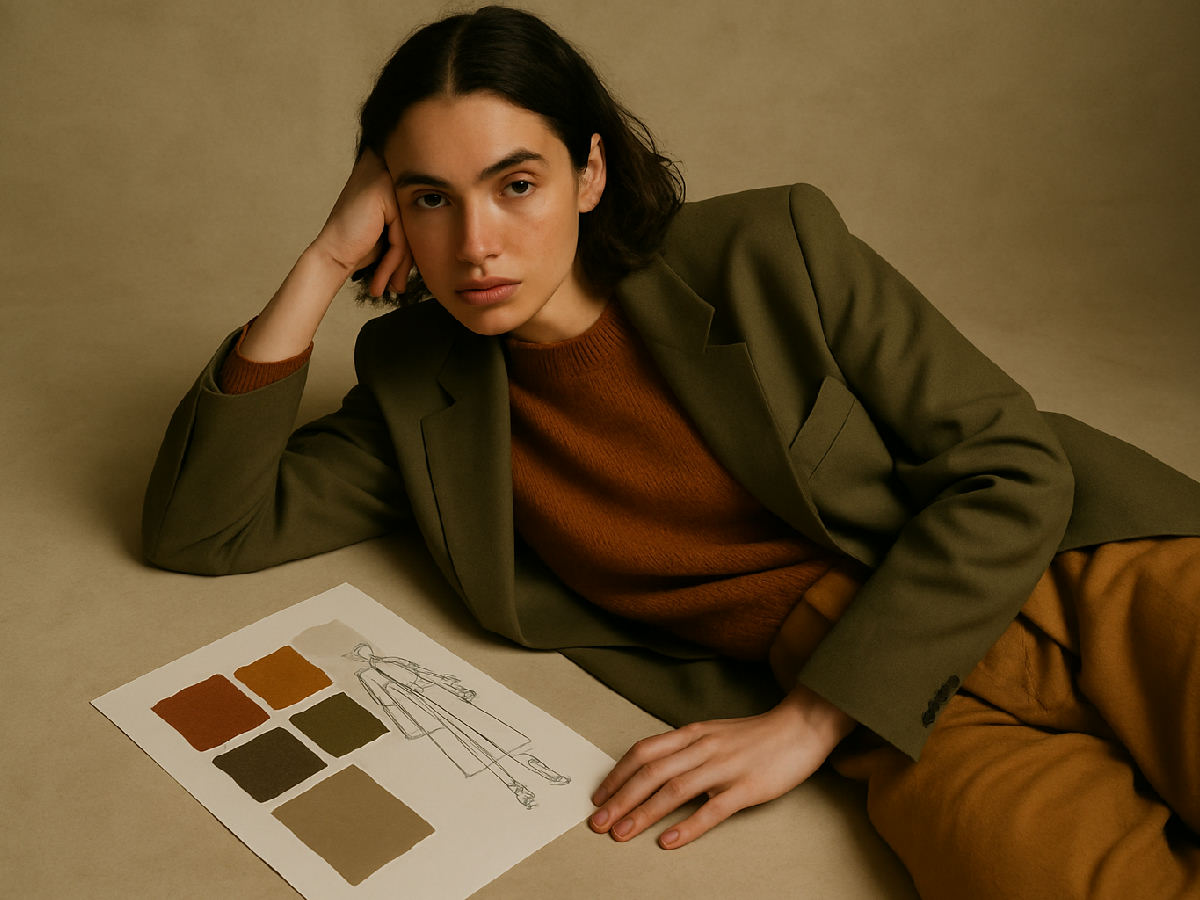
In-house designer? Generate a factory-ready tech pack from your brief.
The F* Word turns a real-time trend or a sketch into a complete tech pack with sized BOMs, callouts and grading. Plus a brand-aligned moodboard. Free to try.
Material selection is a complex and crucial aspect of fashion design, directly impacting the garment's aesthetic, functionality, comfort, and sustainability. Traditionally, this process involves sifting through countless swatches, consulting material libraries, and relying on supplier relationships. AI is transforming this by offering intelligent recommendations and comprehensive material analysis.
Based on the fashion tech moodboard's aesthetic and functional requirements, AI can suggest appropriate fabrics, trims, and embellishments. It can analyze properties like drape, weight, breathability, and durability, comparing them against desired outcomes. Beyond aesthetic fit, AI can also factor in sustainability metrics, identifying eco-friendly alternatives that align with brand values and consumer demand. This data-driven approach ensures material choices are both creatively inspired and practically sound.
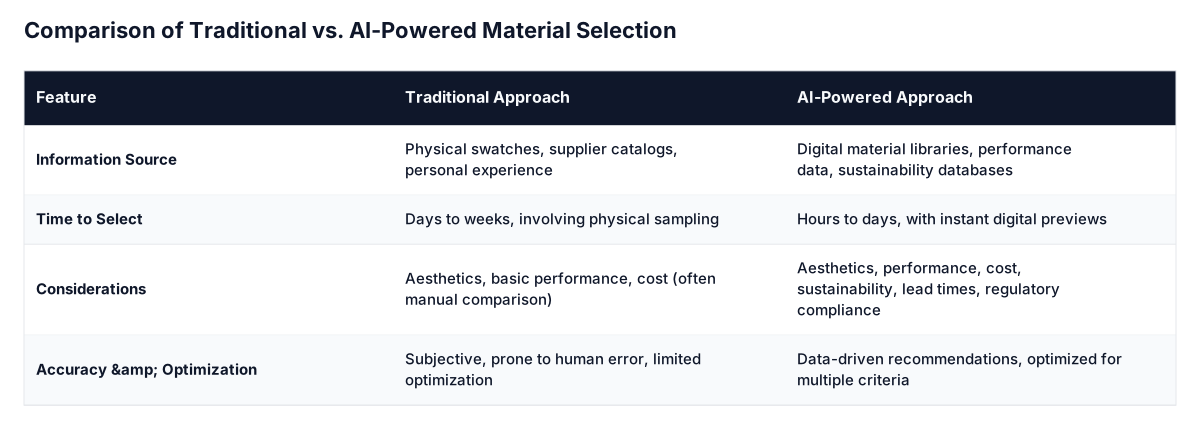
AI can also assist in generating precise material specifications for the tech pack. By understanding the intended use and performance requirements of a garment, AI can automatically populate fields related to fiber composition, weave structure, finishing processes, and care instructions. This saves significant time and reduces the likelihood of errors, ensuring that manufacturers receive clear and unambiguous instructions for sourcing and production.
The tech pack is the linchpin of garment manufacturing, it's the detailed blueprint that translates a design into a physical product. Traditionally, creating a comprehensive tech pack is a painstaking, manual process, prone to inconsistencies and omissions. This is where AI offers a monumental leap forward, automating much of the data entry and ensuring unparalleled accuracy.
Using the information gathered during the moodboard and design iteration phases, including sketches, material selections, and specific design details, AI can automatically populate various sections of the tech pack. This includes measurements derived from virtual fit models, detailed construction notes based on design complexity, and specific embellishment placements. The AI acts as an intelligent assistant, collating and organizing vast amounts of information into a standardized, clear format.
AI can identify potential discrepancies or ambiguities within the tech pack before it even reaches the manufacturer. For instance, it can cross-reference measurements to ensure they are consistent across all garment components, or flag material choices that may be difficult to source in the specified quantities. This proactive error detection significantly reduces costly revisions, delays, and production mistakes, ensuring that the creative intent enshrined in the initial fashion tech moodboard is perfectly preserved through to the final product.
A structured handoff process prevents creative misinterpretation. After a moodboard is locked, the Design Director must lead a mandatory "Design Intent Kickoff" meeting. Attendees are the assigned Designer, Technical Designer, and Product Developer. The output of this meeting is a one-page Design Intent Document. This document contains final key sketches, required fit blocks, primary fabric specifications like "12oz indigo denim", trim concepts, and the merchandiser-approved target FOB cost. This document serves as the primary input for the technical designer and the auditable record of creative intent before technical work begins.
Tech pack authoring follows a defined workflow. The Technical Designer uses the Design Intent Document and a master component library to build the initial spec package. A preliminary draft is reviewed internally with the original designer for aesthetic alignment. Once cleared, the tech pack is submitted for a single, formal review session. This session must include the Design Director, Technical Designer, and Product Developer. The Merchandising lead is a required approver on cost and product line fit. The goal is a "Released" status within 48 hours. Revisions are consolidated into one round to protect the production calendar from churn. A second round requires escalation to the VP of Product.
This workflow's success is measured by specific key performance indicators. Track the first-sample approval rate, with a target of over 70%. Monitor cost variance between the Design Intent Document and first factory costing, which must stay within a 5% deviation. Measure the cycle time from kickoff to tech pack release, aiming for under five business days for core styles. Common failure points include ambiguous callouts, mitigated by enforcing the use of a component library where every item has a unique SKU. Cost overruns are prevented by including production and merchandising in the initial kickoff to set firm financial guardrails. Approval bottlenecks are managed with the 48-hour decision window and clear escalation path.
A fashion tech moodboard is a digitally enhanced moodboard that uses AI to collect visual inspiration and analyze trends, consumer data, and material properties. It serves as a dynamic, data-rich repository of creative intent, guiding the design process with intelligent insights and predictive capabilities.
AI assists by generating design variations from moodboards, providing data-driven material recommendations, and automating much of the tech pack creation process. It ensures consistency, flags potential errors, and translates abstract creative concepts into precise, actionable manufacturing instructions, thereby preserving the original creative intent.
No, AI is a powerful tool that augments and empowers fashion designers. It handles repetitive, data-intensive tasks, allowing designers to focus more on their core creative strengths, ideation, aesthetic direction, and strategic decision-making. AI liberates creativity by streamlining the technical aspects of design and production.
While AI significantly improves accuracy, human oversight remains crucial. AI can generate highly precise data and flag potential issues, but human designers and pattern makers are essential for final validation, ensuring designs are technically sound and align with the brand's specific aesthetic and fit philosophy. It's a collaborative process for optimal results.
The F* Word fills in the four things a board omits: bill of materials, points of measure, construction notes and tolerances. It produces all of them in a factory-ready tech pack in 8 to 10 minutes, so creative intent survives the handoff to production.
The journey from the nascent sparks of creative inspiration on a fashion tech moodboard to the meticulously detailed instructions of a tech pack is traditionally a gauntlet of potential misinterpretations and inefficiencies. However, with the advent of AI, this journey is transformed into a smooth, intelligent process that not only preserves but amplifies the designer's original intent. By using AI for moodboard analysis, sketch generation, material specification, and tech pack automation, fashion brands can achieve unparalleled accuracy, speed, and creative fidelity. This results in products that more faithfully represent the initial vision, reach the market faster, and resonate more profoundly with consumers. Try The F* Word free and turn this insight into shipped product.
Get The F* Word workflow insights in your inbox.