Language
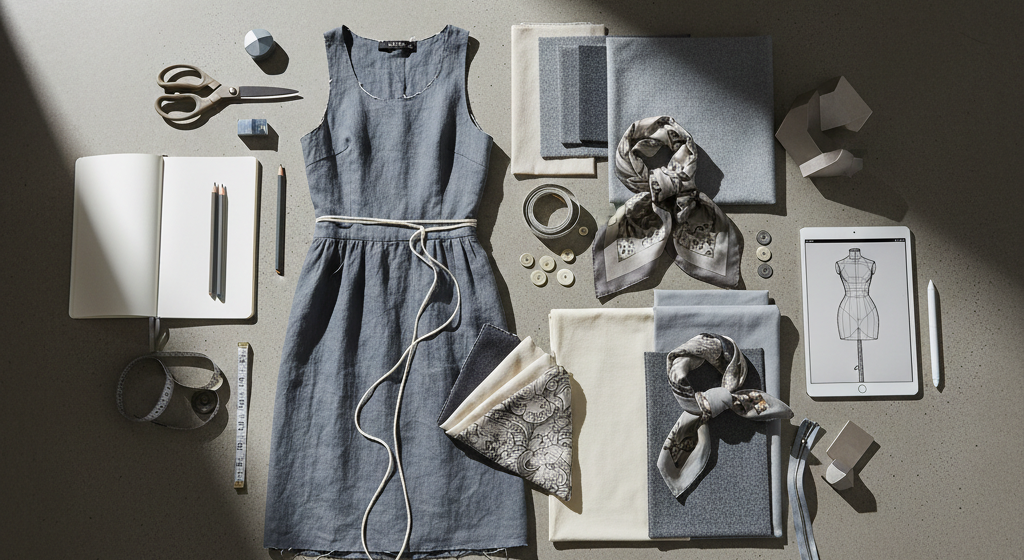
Short answer: The best free fashion design software for beginners depends on the job. For vector flats, Inkscape is free and open source. For sketching, Krita is free. For patterns, Seamly2D is free. For 3D, Blender is free, and CLO 3D has a US$25-a-month student plan. Canva and Figma have free plans for boards and line sheets. If you want one connected path from inspiration to a portfolio, The F* Word's AI Fashion Suite is free and built for garment design.
The tools below cover every stage a beginner needs. Prices and plans were checked on each vendor's page on 8 November 2026.
| Software | Best for | Free? | Runs |
|---|---|---|---|
| Inkscape | Vector flats and technical drawings | Free and open source | Windows, Mac, Linux |
| Krita | Sketching and illustration | Free and open source | Windows, Mac, Linux |
| Seamly2D | 2D pattern making | Free and open source | Windows, Mac, Linux |
| Blender | 3D drape and visuals | Free and open source | Windows, Mac, Linux |
| Canva | Moodboards and line sheets | Free plan | Browser |
| Figma | Flats, colorways, boards | Starter plan free | Browser |
| Vizcom | AI renders from sketches | Starter free (800 credits) | Browser |
| CLO 3D | Industry-standard 3D garments | Free trial; Student US$25/mo | Windows, Mac |
| The F* Word AI Fashion Suite | Scanner, designer and portfolio, connected | Free | Browser and Telegram |
Sources: Inkscape, Krita, Seamly2D, Blender, Canva, Figma, Vizcom, CLO 3D.
When you are starting in fashion design, the term "free software" can be misleading. Many tools that are free are either too generic for fashion or are heavily restricted trials. A beginner does not just need a sketching tool. You need a complete system that mimics how the industry actually works. This means your software should support three core activities: inspiration and research, design development, and portfolio presentation.
First, you need a way to collect and analyze ideas. This goes beyond saving images. It means understanding the components of a garment, like its exact color, fabric type, and construction details. Second, you need a space to develop a concept. This involves creating moodboards, sketching technical flats of your design, and visualizing it on a model. Finally, and most importantly, you need a way to present your finished projects in a professional portfolio that creative directors and recruiters can understand. The best free option will connect all these stages together, saving you time and teaching you a professional workflow from day one.
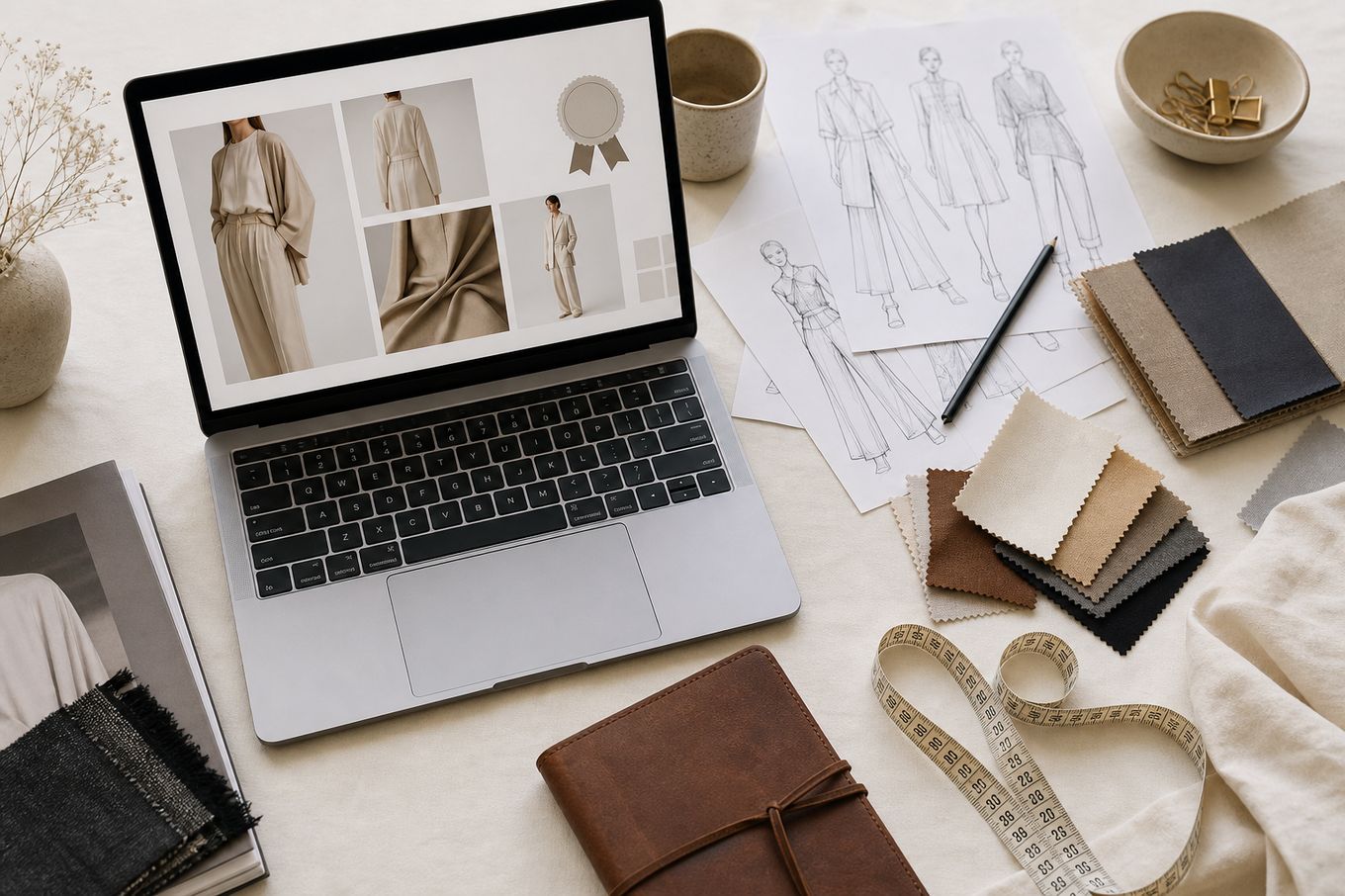
AI Fashion Portfolio Generator certified pitch flow
Get certified and pitched free
Scan your work, seal a dossier, publish a scored portfolio from 0 to 100, and apply to live brand jobs. Free while in beta.
The AI Fashion Suite from The F* Word is not a single piece of software but a trio of interconnected, free tools designed to manage the entire fashion design process. It operates across your web browser and the Telegram messaging app, making it accessible without needing a powerful computer. The suite is composed of three distinct applications:
Beginners have many free options, but they are not created equal. General design tools lack fashion-specific features, while specialized software trials expire. Here is how The F* Word's free suite compares to other common starting points.
| Feature | AI Fashion Suite | General Tools (Canva, Figma, Inkscape) |
Fashion Trials (Marvelous Designer, CLO) |
Verdict |
|---|---|---|---|---|
| Fashion Data Capture | Automated via AI Fashion Scanner (Pantone TCX, fabric composition). |
Fully manual. Requires external tools or guessing. |
No native feature for extracting data from web images. | The AI Fashion Suite wins by providing a tool built for industry research. |
| Technical Flat Creation | Guided interface within the Dossier's "Truth" slot. | Possible in Figma or Inkscape but with a steep learning curve for vector tools. Not possible in Canva. |
3D-first approach. 2D pattern tools are complex for beginners. |
The AI Fashion Suite wins for its beginner-friendly, guided approach. |
| AI Model & Photoshoot | Built-in "Muse" and "Campaign" features for casting and generating imagery. | No native feature. Requires a separate, often paid, AI image tool. |
Avatar system is powerful but not for generating lifestyle campaign shots. | The AI Fashion Suite wins by integrating visualization into the core workflow. |
| Integrated Portfolio | Auto-generates an ATS-scored Showroom at studiolink.bio. | Requires you to build a portfolio on a separate platform. | Requires exporting assets to build a portfolio elsewhere. | The AI Fashion Suite wins by directly connecting design work to a professional portfolio. |
| Cost & Accessibility | 100% free for the full design-to-portfolio workflow. No trial period. |
Free tiers are often limited. Full functionality requires paid plans. |
Free for 30 days only, creating pressure and then a paywall. | The AI Fashion Suite wins by offering a complete, permanently free system. |
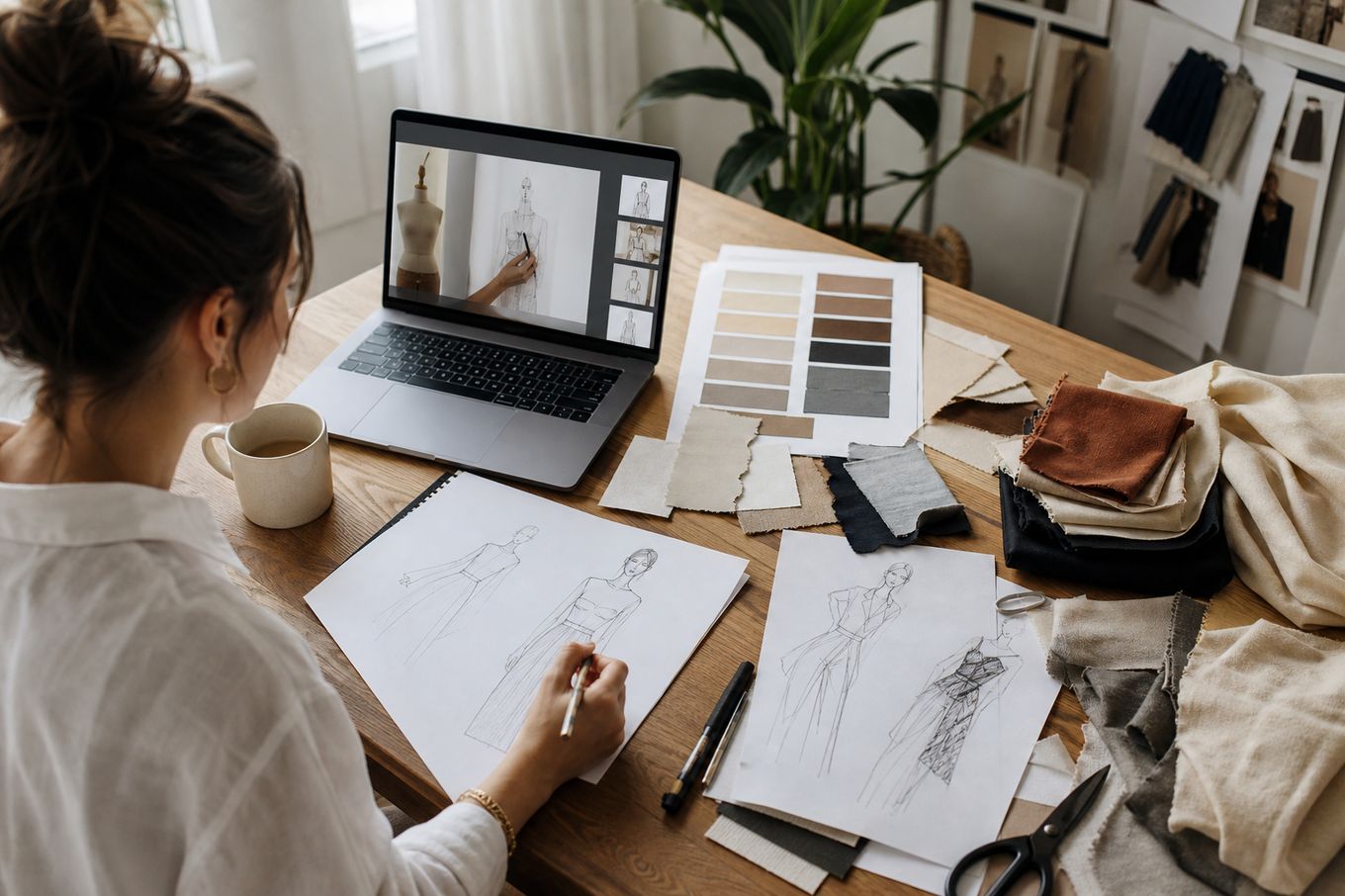
Free AI fashion design training to job-ready workflow
The power of the AI Fashion Suite is how the three tools create a single, continuous workflow. A beginner can go from an idea to a finished portfolio piece without getting stuck or needing other software. The process is logical and builds on itself.
This entire process, from data collection to portfolio publication, is free. The F* Word's paid service only comes into play if you need to generate a factory-ready tech pack from a sealed dossier for actual manufacturing, a step that comes much later than initial portfolio building. Start free at aifashion.thefword.ai. No signup for the Scanner.
For flats, Inkscape (free, open source); for sketching, Krita; for patterns, Seamly2D; for 3D, Blender. Canva and Figma have free plans for boards and line sheets. The F* Word's AI Fashion Suite is free and connects research, design and portfolio in one path.
No. One of the main benefits of the AI Fashion Suite is its light footprint. The AI Fashion Scanner is a simple browser extension that uses very little memory. The AI Fashion Designer and Portfolio Generator are Telegram Mini Apps, which means they run inside the Telegram app on your phone or desktop. All the heavy processing for AI generation happens on our servers, not your device. This makes the suite accessible to anyone with a browser and a smartphone.
The entire three-app suite for designing and building your portfolio is completely free. You can create unlimited dossiers and publish them to your Showroom at no cost. The business model is based on an optional, later-stage service. If you want to take a design from your portfolio and put it into production, you can pay to generate a factory-ready tech pack in about 8 to 10 minutes. For beginners focused on learning and getting hired, the core creative suite is free forever.
Yes. While many examples focus on garments, the dossier system is flexible enough for any fashion product. The AI Fashion Scanner can extract color and material ideas from images of handbags, footwear, or jewelry. In the AI Fashion Designer, you can create moodboards and technical sketches for these items just as you would for a dress or jacket. Your final portfolio can showcase a range of product categories, reflecting your specific interests as a designer.
ATS stands for Applicant Tracking System, which is software that companies use to screen job applications. Your Showroom portfolio is scored from 0 to 100 based on five pillars of professional design work, such as technical clarity and creative direction. This score gives you a clear metric of your readiness for the job market. It also helps your profile stand out to recruiters by showing that your work contains the type of detailed information they look for in a professional hire.
No, advanced illustration skills are not a prerequisite. The platform is designed to help you communicate your ideas effectively. The "Truth" slot in the AI Fashion Designer includes tools to help you generate a clean technical flat based on your inputs. The emphasis is on clearly defining the design's construction, fabric, and details, not on creating a hyper-realistic illustration. This focus on technical communication is what brands look for in a new designer.
Get The F* Word workflow insights in your inbox.