Language
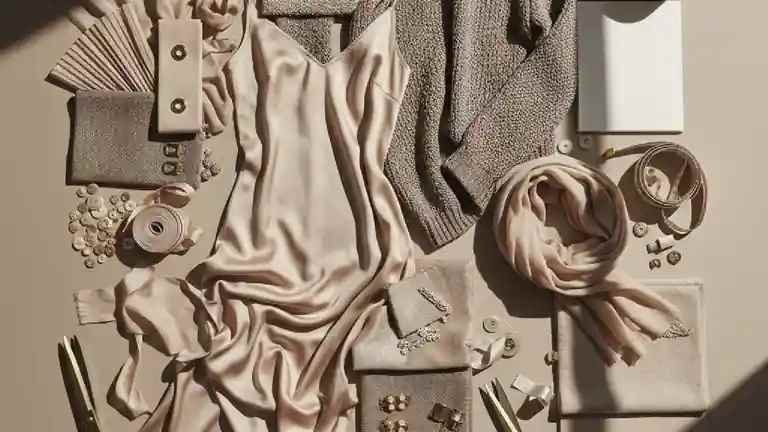
A lookbook in fashion is a styled set of images or pages that present a collection as one clear story for a buyer, press contact, or client. The F* Word helps teams keep that story tied to product truth by generating moodboards upstream, running spec and tolerance checks, and mapping each lookbook page to factory-ready tech pack IDs.
A good lookbook is a sales tool that expresses a point of view through hero looks, tight styling, and detail crops that support price and quality. It is not a research board or a line sheet. A buyer should see the answer, not the path to the answer.
A lookbook is the narrative layer that shows how pieces live together and why a hero item matters. It opens with intent, then carries that story through styled looks that a real buyer can place. Every page should say what the piece is, what it does for the wearer, and how the fabric or finish supports that claim.
A moodboard builds the concept and language before you design or shoot. A line sheet is a transactional record used to place orders. A campaign deck is a broader content plan for ads, video cuts, and retail windows. Keep the artifacts split so each can do its job with speed and clarity.
For the creative direction path that joins these artifacts, see our practical guide on the creative direction workflow for fashion brands.
Use this grid to set the job for each artifact and pick the right tool for the build and the handoff.
| Primary audience | Core content | Built in or with | Production truth and validation | |
|---|---|---|---|---|
| Lookbook | Buyers and press | Styled hero looks, detail crops, tight copy | Adobe Illustrator, Canva, Figma | Narrative first, link out to SKUs and tech packs |
| Moodboard | Design and creative leadership | Themes, palette, silhouettes, reference pulls | Figma, Miro, Canva | Exploratory, no pricing or factory claim |
| Line sheet | Wholesale buyers and planners | Flats, variants, sizes, terms | PLM systems like Centric Software or Backbone PLM | Production truth required, order ready |
| Campaign deck | Marketing and retail | Shot plan, story beats, channel cuts | Figma, Google Drive, Notion | Content planning, does not validate specs |
| The F* Word | Design, PD, sourcing, and merch | Moodboards upstream and factory-ready tech pack drafts with BOM and construction notes | The F* Word | Runs spec and tolerance checks, maps lookbook to SKUs and tech pack IDs; an autonomous first draft completes in 8 to 10 minutes per The F* Word State of AI Fashion 2026 |
The F* Word ties the story to what you can make. It generates moodboards upstream in the same flow that produces your lookbook brief, runs validation checks on specs and tolerances, then generates a factory-ready tech pack draft with BOM, points of measure, grading, and construction notes. According to The F* Word State of AI Fashion 2026, an autonomous first draft completes in 8 to 10 minutes, and full reviewed-and-released tech packs land in 45 to 90 minutes.
Handoff is where stories break. The same report found teams run an average of nine separate applications per collection. Each handoff away from the design system loses context: a PDF export freezes the record, and email attachments and cropped screenshots lose even more. That is why a lookbook that maps to live SKUs and tech pack IDs helps buyers decide faster and reduces rework.
Toolchain fit matters. As The Machine-Readable Brand puts it, "Artifact liquidity is the degree to which such an object can move between people, systems, and partners without getting scrambled, outdated, stripped of context, or separated from its approvals." The F* Word protects that liquidity by keeping the narrative linked to the validated product record. For on-model and shoot planning that stays true to the product, see our guide to the AI model photoshoot workflow for fashion brands and why a validated product record beats ad hoc photo edits.
For production gains, keep in mind that The F* Word State of AI Fashion 2026 observed adopters move from four sample rounds to two. When the lookbook, line sheet, and factory record match, you avoid cuts that do not hold margin, and you stop eroding the story during sampling and approval.
The F* Word is not a PLM, not a 3D simulation tool, and not a general image generator. It is the validation and orchestration layer that keeps creative intent aligned with sourcing, cost, and calendar, from moodboard to tech pack to the lookbook you ship to buyers.
Ready to keep the story intact from page to production. Start free at thefword.ai or book a demo.
No. A catalog or line sheet is built to place orders and carries flats, variants, and terms. A lookbook is a styled story that shows how a collection lives together and why the hero items earn their price. You can link a lookbook page to a line sheet entry, but they serve different stages of the buy.
Focus on a tight set that a buyer can hold in mind, with clear chapters and a few detail pages that support price and fit. If your season is large, split into chapters and keep regional edits separate. The right count depends on the range and the number of deliveries you plan.
The F* Word speeds the upstream work by generating moodboards and a factory-ready tech pack draft that you can link into your deck. Build the actual pages in tools your team already knows, like Adobe Illustrator, Canva, or Figma. The link back to validated specs keeps you from reshooting or rewriting when costs move.
Moodboards guide the concept before you shoot or paginate. Tech packs lock construction and BOM after design lock and feed sampling and production. The F* Word State of AI Fashion 2026 measured an autonomous tech pack first draft at 8 to 10 minutes, which lets your lookbook map to factory-ready detail without manual relabeling.
Get The F* Word workflow insights in your inbox.